
Art History
Study day: 17th century Spain, from Zurbarán to Velázquez
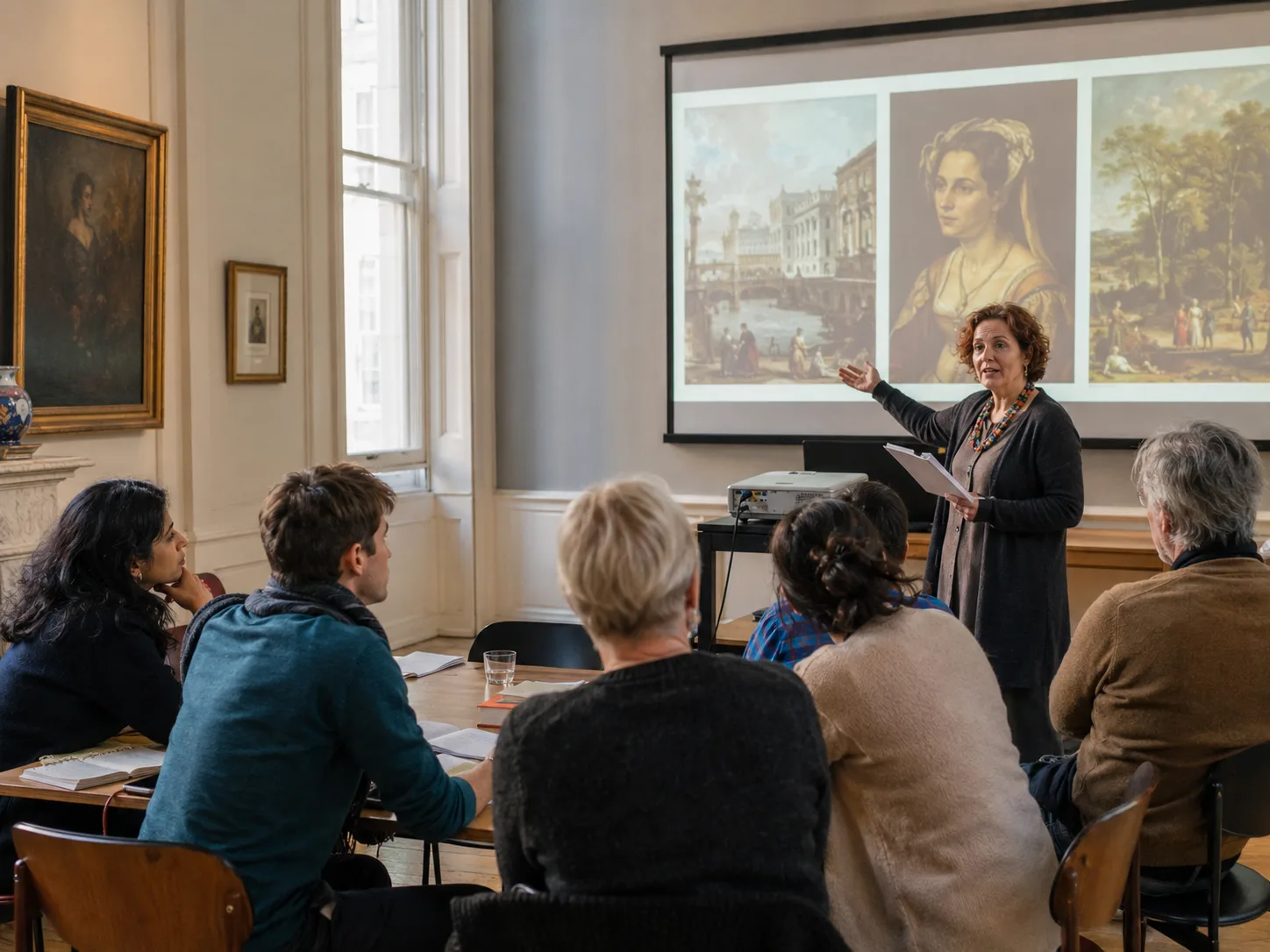
An all-levels introduction to Spanish Baroque painting, taught through slide presentations and group discussion, with particular attention to Zurbarán and Velázquez.
Choose a date before booking
Upcoming classes
1 class
About this course
This course examines 17th-century Spanish painting within its religious, political and colonial setting. It considers Catholicism, war, national identity and the influence of Islamic, Italian and colonised cultures, alongside artists including El Greco, Jusepe de Ribera and Juan Sánchez Cotán. The course then concentrates on Francisco de Zurbarán and Diego Velázquez, exploring their work and the conventions of Spanish Baroque art. Teaching combines slide presentations with group discussion, and approaches the period’s historical context critically, including persecution during the Reconquista and the colonial wealth that supported artistic production.
What you'll learn
- Explain how the period’s historical conditions shaped Spanish painting, including its subjects and visual style
- Describe how painting related to religious practice, political power and artistic influence
- Discuss key features of Spanish Baroque art through examples by Zurbarán, Velázquez and other artists
- Critically assess the period’s influence on later art in Spain, Europe and the Americas
Is this course right for you?
The course is open to learners at all levels and is particularly aimed at those new to Spanish Baroque art. Participants will be invited to contribute to group discussion and should be able to follow straightforward written and verbal instructions, demonstrations, hand-outs and health and safety information.
- Aimed especially at learners new to Spanish Baroque art
- Includes participation in group discussion
- Requires learners to follow simple written and verbal guidance
Before you go
- A notebook may be useful.
- Books from any reading list provided in class may be purchased separately.
- PowerPoint slides are not shared after the class. Attendees receive a summary note sheet with further reading, which cannot be emailed to those who do not attend.