A history of Russia’s borders from Ivan the Terrible to Putin


A lecture- and discussion-based history course examining Russia’s changing borders from the rise of Muscovy to the post-Soviet period.
About this course
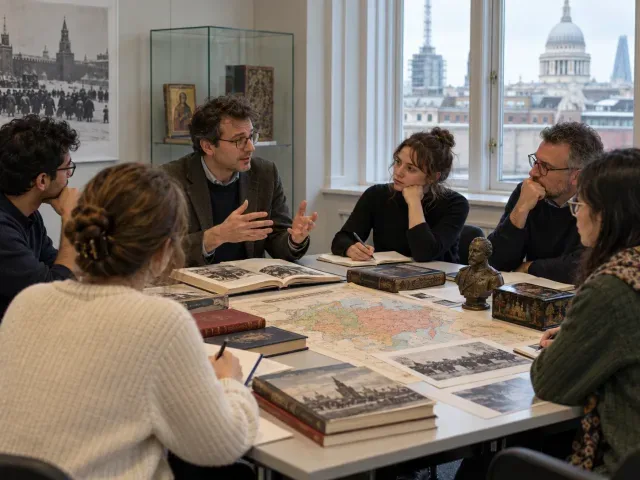
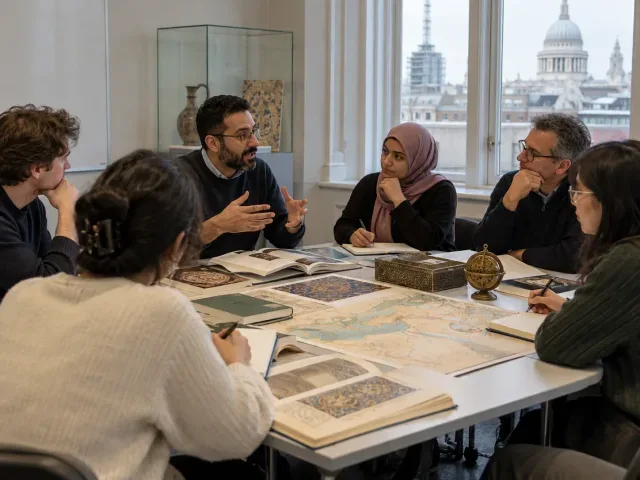
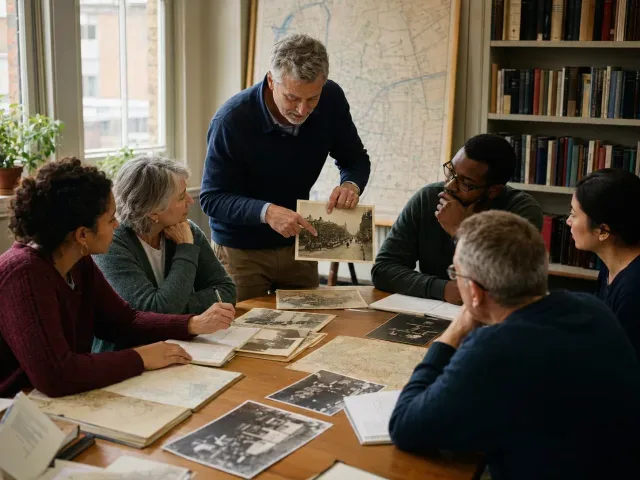
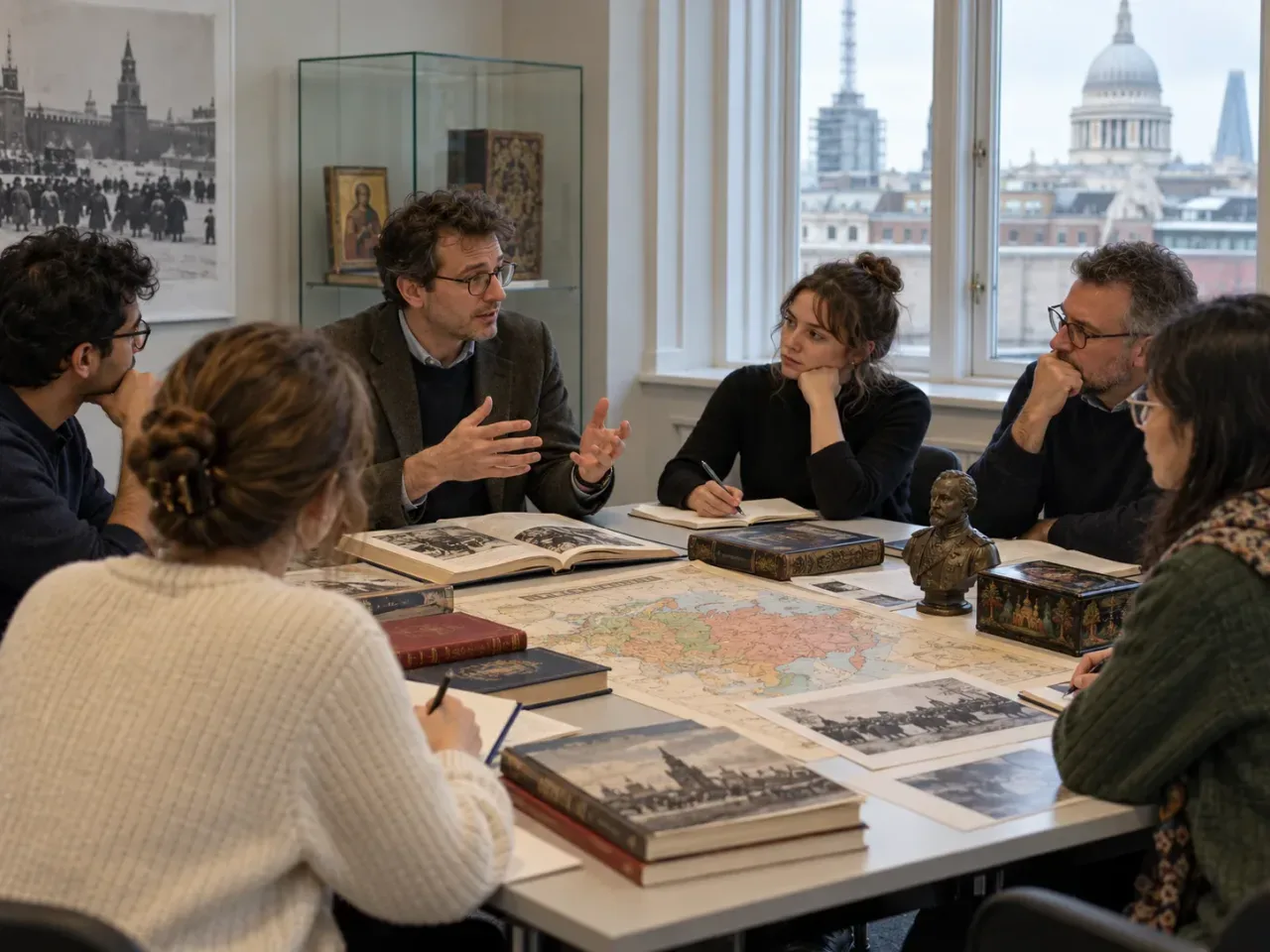
The course traces the expansion and contraction of Russian territory from the 13th century through the rule of Vladimir Putin. It examines the influence of military strength, neighbouring empires, international power balances and nationalist movements on changes in Russia’s borders. Topics include the partitions of Poland, access to the Black Sea, expansion into the Caucasus, Central Asia and the Far East, the transformation of the empire into the USSR, and territorial changes following its collapse. Teaching combines lectures with PowerPoint presentations and occasional whole-class and small-group discussions.
What you'll learn
- Explain the factors behind Russian expansion at the expense of Sweden and the Polish-Lithuanian Commonwealth
- Analyse Russia’s role in the three partitions of Poland
- Discuss the reasons for Russian expansion into the Caucasus and Central Asia
- Explain how Russia secured significant territorial concessions from China
- Analyse why some territories gained independence after the First World War while others were later reconquered
- Evaluate territorial disputes and changes following the collapse of the Soviet Union
Is this course right for you?
The course is designed for newcomers as well as learners with some background knowledge of the subject. A good grasp of English is needed, and participation includes listening to lectures and contributing to large- and small-group discussions. Learners are expected to approach differing views respectfully and engage thoughtfully with the topics.
- Suitable for both newcomers and those with some existing background knowledge
- Requires participation in group and class discussions
- A good grasp of English is needed to follow the course
Before you go
- Bring a pen and paper.
- Materials for discussion preparation will be available on the course website.
- Books may be recommended, but purchasing them is optional.
- Handouts will be provided after each class.
Class teacher
Sebastien Ardouin
Class teacher
Where this course runs
Upcoming classes
1 class
Selected date
Tue 12 Jan 2027
12:45 – 14:45 • 11 weeks
£299
Keeley Street, Covent Garden