An introduction to the art of seventeenth-century Europe: 1590–1690

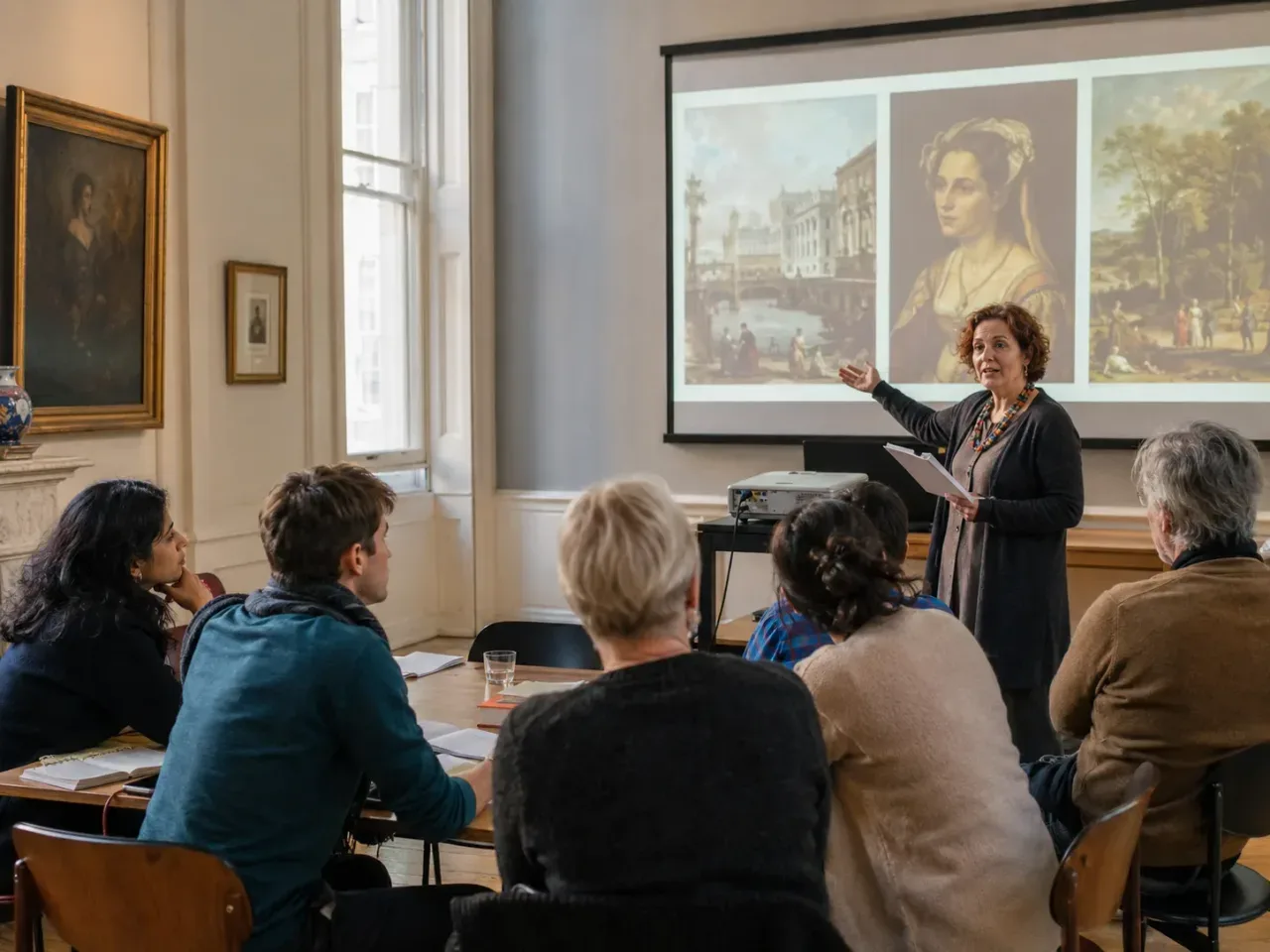

A lecture-based introduction to seventeenth-century European art, examining its styles, contexts, subject matter and patronage for learners at all levels.
About this course
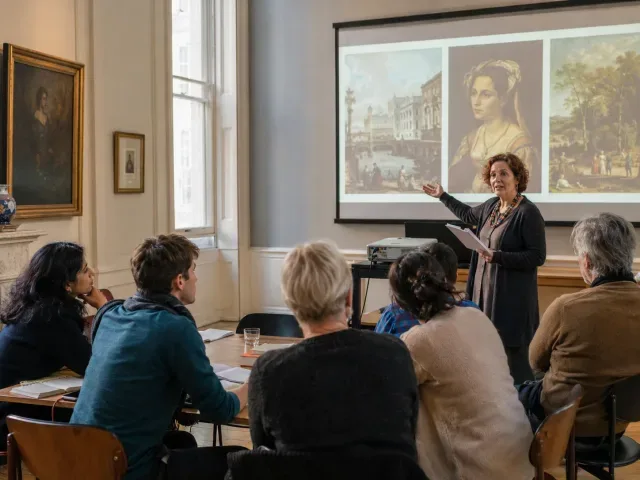
The course examines painting and sculpture from Italy, Spain, the Netherlands, France and England, considering how political, social and religious change shaped artistic production between 1590 and 1690. It questions the usefulness of the term Baroque while exploring the development of styles across Europe. Teaching combines illustrated lectures with group discussion. Topics include subject matter, artistic methods, commissioning and Church patronage, as well as the distinct art market of the Dutch Republic. Works by major and lesser-known artists, including women artists, are discussed through selected examples.
What you'll learn
- Identify characteristic features of seventeenth-century painting and sculpture in specific works
- Explain how political, religious and historical circumstances influenced artistic production
- Analyse the effects of patronage on selected artworks
- Recognise works by at least seven significant seventeenth-century artists and name one work by each
Is this course right for you?
The course is intended for learners at all levels and uses illustrated lectures alongside group discussion. Participants should be able to follow written and spoken instructions, demonstrations, handouts and health and safety information.
- Includes participation in group discussion
- Course materials are shared through Google Classroom
- Participants should be familiar with Google Classroom or willing to learn how to use it
Before you go
- Handouts are provided digitally through Google Classroom.
- A notebook or file may be useful for taking notes.
- Books from any reading list may be purchased if desired.
Class teacher
Elizabeth Eyres
Class teacher
Where this course runs
Upcoming classes
1 class
Selected date
Thu 15 Apr 2027
13:30 – 15:30 • 11 weeks
£279
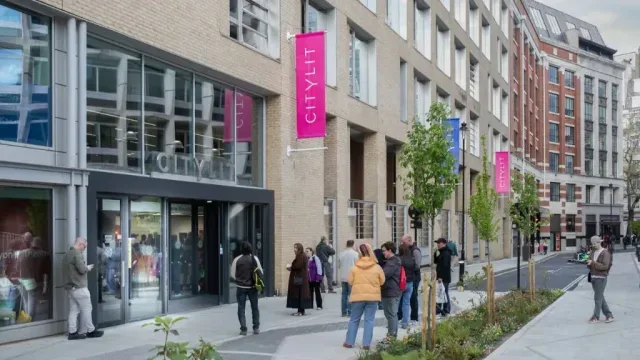
Keeley Street, Covent Garden