Artistic traditions of Indigenous peoples

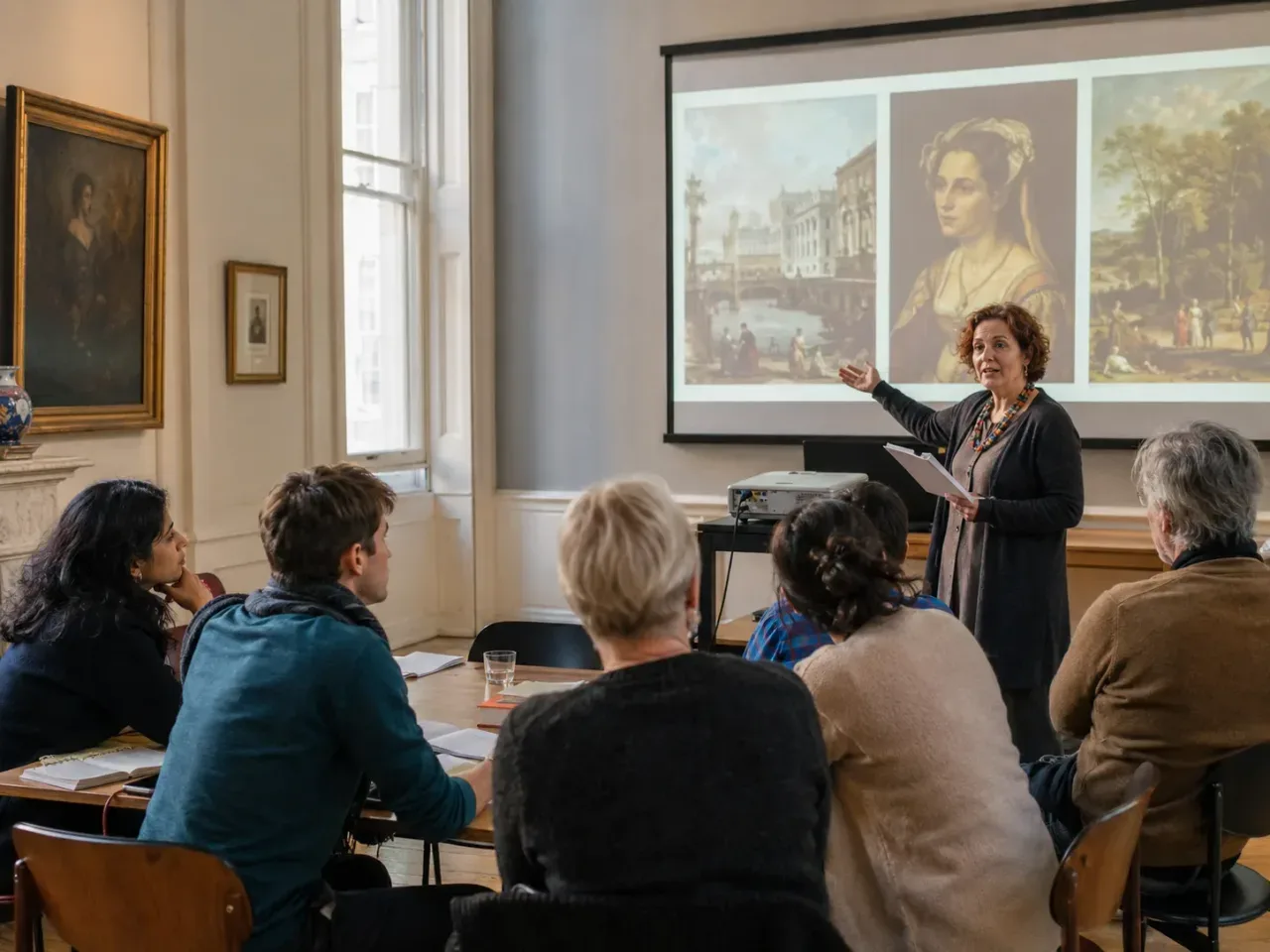

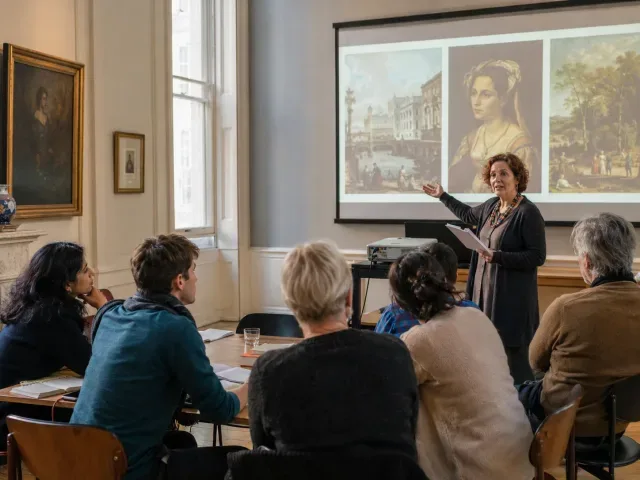
An all-levels art history course examining Indigenous artistic traditions, objects, materials and cultural contexts through lectures, slides and group discussion.
About this course
The course introduces the concept and history of Indigenous peoples before examining artistic traditions from communities including the Inuit, Diné, Sámi, Dayak and Aboriginal peoples of Australia. Discussion covers paintings, sculpture, pottery, textiles, jewellery and masks, considering their materials, techniques, visual qualities, symbolic meanings and uses. Lectures and slide presentations explore the relationship between art, land and nature, as well as continuity, innovation, cultural exchange and colonial influence. The course also considers marginalisation, assimilation, representation and activism through recent exhibitions and the work of contemporary Indigenous artists.
What you'll learn
- Explain how land and the natural environment relate to Indigenous art
- Describe a defining artistic tradition of an Indigenous people
- Analyse historical and contemporary challenges that have shaped Indigenous artistic practices
- Discuss the role and significance of art in relation to dominant cultures
Is this course right for you?
The course is listed as suitable for all levels and combines lectures, visual presentations and group discussions. It may suit learners who want to study art history through contextual discussion. Participants should be able to follow simple written and verbal instructions, demonstrations, handouts and health and safety information.
- Teaching includes group discussions alongside lectures and slide presentations
- Course documents are shared through Google Classroom
Before you go
- A notebook may be useful for taking notes.
- Learners may wish to purchase books from any reading list provided.
Class teacher
Caroline Levisse
Class teacher
Where this course runs
Upcoming classes
1 class
Selected date
Thu 25 Feb 2027
13:30 – 15:30 • 5 weeks
£159
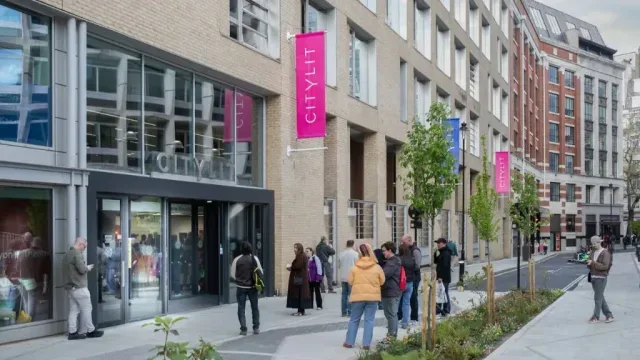
Keeley Street, Covent Garden