
Baroque art across Europe: 1600-1750
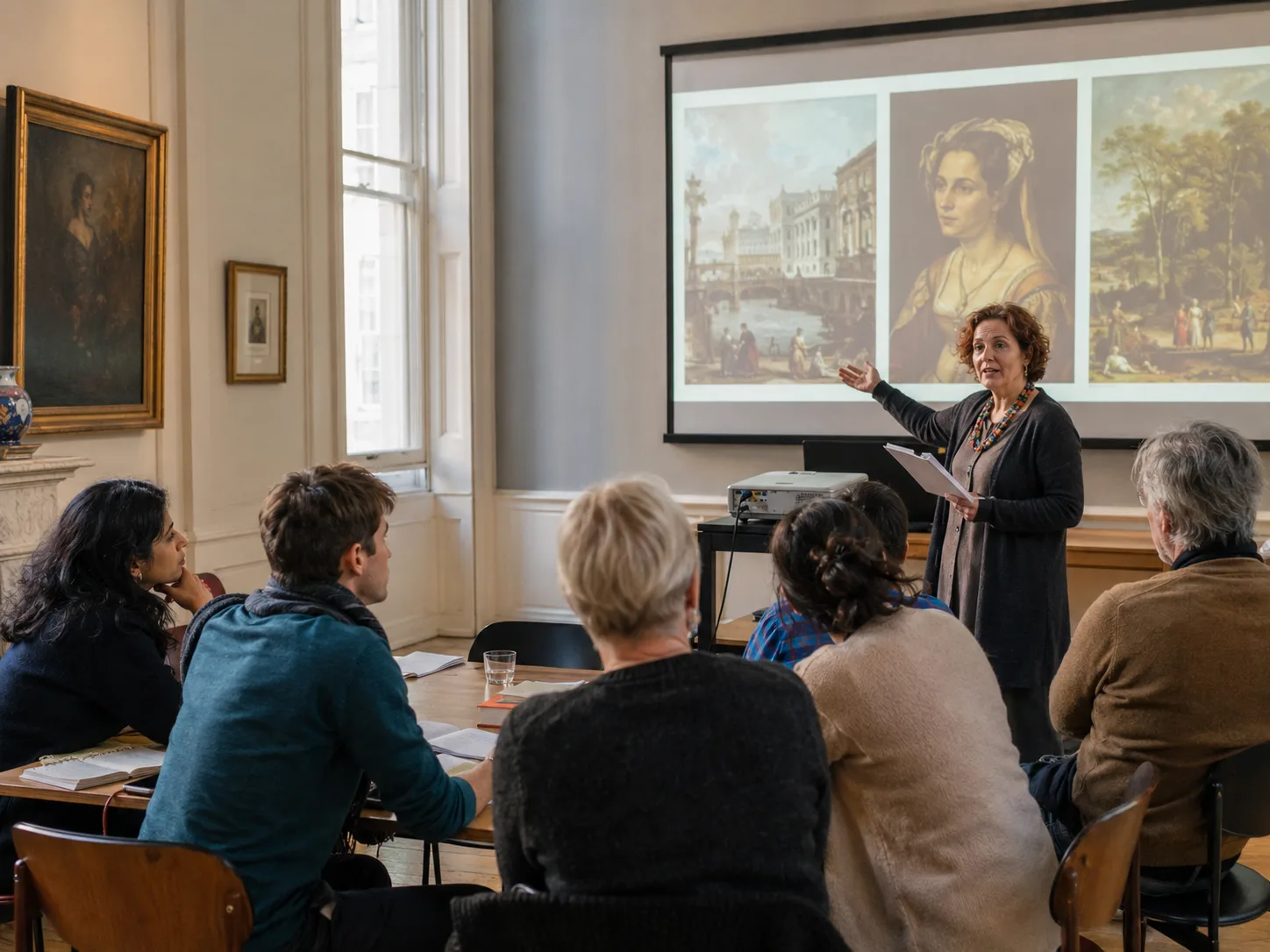

An all-levels course examining Baroque painting, sculpture and architecture across Europe through lectures, visual materials, activities and discussion.
About this course
The course examines how Baroque visual culture developed between 1600 and 1750 across Italy, Spain, Flanders, the Dutch Republic, France and England. It considers the effects of religion, politics, patronage and intellectual change, alongside regional traditions and the work of artists including Caravaggio, Rubens, Velázquez, Rembrandt, Vermeer and Bernini. Teaching combines lectures, slide presentations, visual case studies, activities and group discussion. Topics include naturalism, idealism, light, movement, emotion, theatricality and illusionism, as well as connections between painting, sculpture and architecture and the contribution of women artists.
What you'll learn
- Recognise characteristic features of Baroque art and architecture.
- Identify significant Baroque artists and discuss selected works.
- Analyse how style, subject matter and symbolism communicate ideas in works of art.
- Relate Baroque art to the religious, political and cultural contexts of seventeenth-century Europe.
Is this course right for you?
The course is listed as suitable for all levels and is intended for learners exploring Baroque art through structured teaching and group discussion. Participants should be able to follow simple written and verbal instructions, demonstrations, handouts and health and safety information.
- Group discussion is part of the course format.
- Learners should be able to follow written and verbal course information.
Before you go
- Handouts will be provided through Google Classroom.
- A notebook may be useful for taking notes.
- Learners may wish to purchase books from any reading list provided.
Class teacher
Elisa Stafferini
Class teacher
Where this course runs
Upcoming classes
1 class
Selected date
Wed 13 Jan 2027
15:45 – 17:45 • 11 weeks
£279
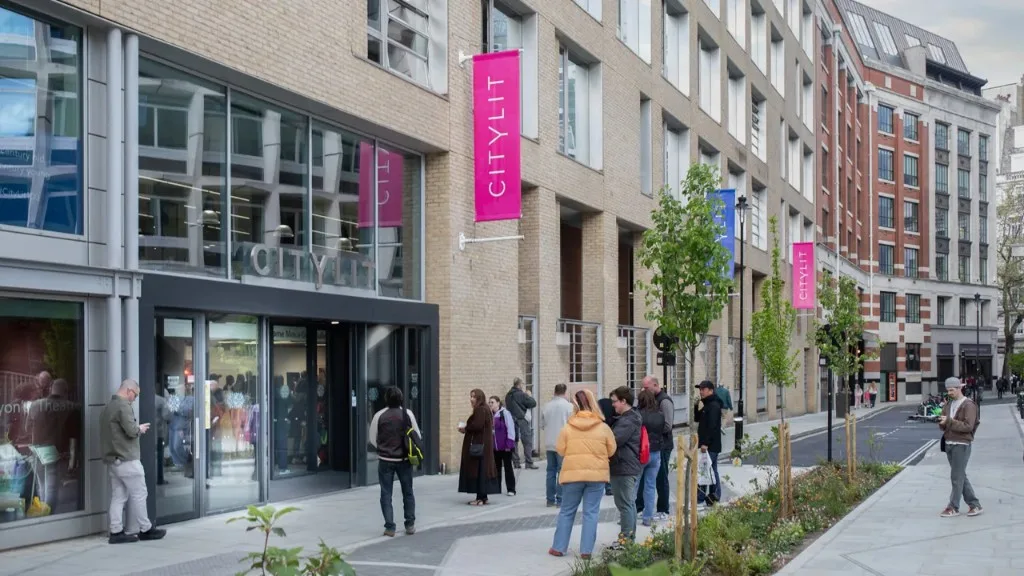
Keeley Street, Covent Garden