
Borderlines of Madness in 19th century Fiction



A literature course examining contested mental states, psychiatric diagnoses and narrative approaches in selected fiction, taught through mini-lectures and seminars.
About this course
The course examines how selected writers represent extreme mental states and the Victorian asylum, including themes such as hysteria, paranoia, alcoholism, moral insanity, learning difficulties and post-natal depression. Works discussed include fiction by Poe, Charlotte Brontë, Wilkie Collins, Charlotte Perkins Gilman, Melville, Gogol and Elizabeth Jenkins. Teaching combines mini-lectures with seminars and group discussion. Learners consider the historical debates surrounding diagnoses, the authors’ approaches to mental illness, and the stylistic and genre choices used to present these experiences.
What you'll learn
- Define key diagnoses associated with nineteenth-century psychiatry and identify opposition to the theories behind them.
- Analyse stylistic innovations and shifts in literary genre across the selected works.
- Examine how the fiction presents mental illness and the attitudes surrounding it.
- Evaluate the narrative strategies used by different authors to explore extreme mental states.
- Use the supplied bibliography and secondary reading list to pursue further study.
Is this course right for you?
The course is intended for learners at all levels and does not require previous skills or knowledge. Participation involves reading literary texts that may contain distressing depictions of mental illness, considering questions in advance and sharing insights in group discussion.
- No previous skills or knowledge are required.
- Learners should be prepared to engage with occasionally distressing subject matter.
- Group discussion and sharing personal interpretations are strongly encouraged.
Before you go
- Extracts will be sent out before the sessions so learners can prepare views and questions.
- Most texts can be downloaded free of charge because they are out of copyright; paper copies may be borrowed from a library or bought separately.
Class teacher
Sarah Wise
Class teacher
Where this course runs
Upcoming classes
2 classes
Selected date
Sat 28 Nov 2026
10:30 – 16:30 • 1 day
£79
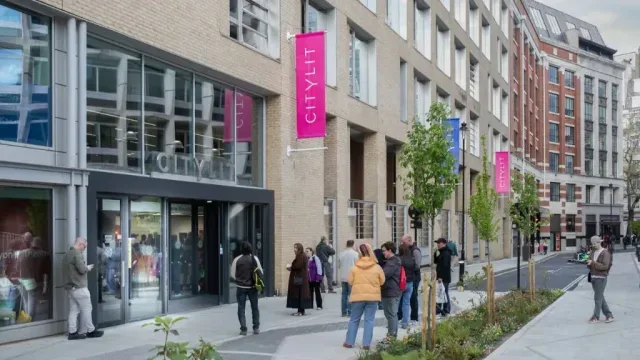
Keeley Street, Covent Garden
Other available dates
| Starts | Schedule | Length | Teacher | Venue | Price | |
|---|---|---|---|---|---|---|
28 Nov 2026 Saturday | 10:30 - 16:30 | One-day class1 day | SarahWise | Keeley StreetWC2B 4BA | £79.00 | Book now |
29 Jan 2027 Fridays | 10:30 - 12:30 | Short course7 weeks | SarahWise | Keeley StreetWC2B 4BA | £209.00 |
Fri 29 Jan, 10:30 - 12:30
7 weeks7 weeksFri 10:30£209SarahWiseKeeley Street