Can green economics deliver in time?



An all-levels, discussion-based course examining green economics, climate urgency and regional approaches to economic reform.
About this course
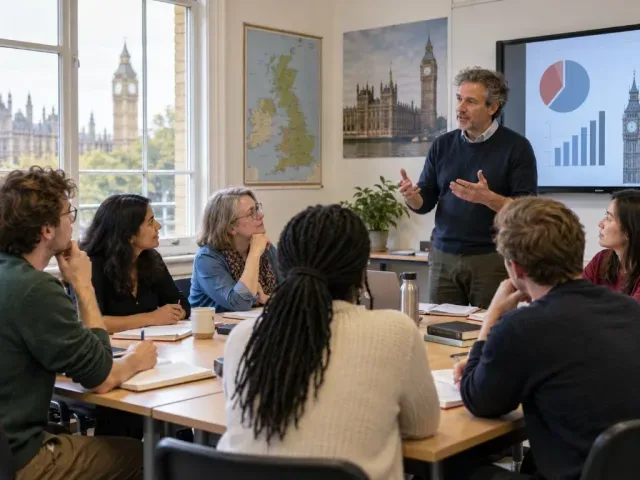
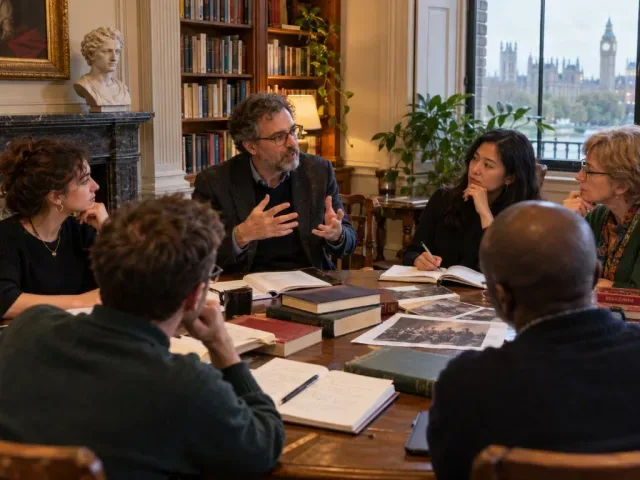
The course considers what green economics involves and how quickly it might address climate, equity and sustainability challenges. Comparative case studies from Uruguay, the EU, China and the US are used to examine policy frameworks, political will, economic structures and regional differences. Teaching combines short presentations with group activities, discussion and reflective exercises. Learners will consider barriers to implementation, opportunities for innovation and the relationship between climate urgency and economic inertia, with space to reflect on global responsibility and shared futures.
What you'll learn
- Explain key principles of green economics and their global relevance
- Compare approaches to green economic transition in Uruguay, the EU, China and the US
- Evaluate political, cultural and economic factors influencing green policy outcomes
- Assess the urgency and feasibility of green economic reform
- Discuss questions of global responsibility and climate justice
Is this course right for you?
The course is intended for anyone interested in economics, sustainability or global affairs, and no prior expertise is required. Its discussion-based format involves group activities, presentations and reflective exercises. Learners may be encouraged to read short articles or bring current-event examples for discussion.
- Suitable for learners approaching the subject without prior expertise
- Designed for participation in group discussion and reflective activities
Before you go
- Learners may wish to bring a notebook or device for note-taking and reflection.
Class teacher
Vina Theodorakopoulou
Class teacher
Where this course runs
Upcoming classes
1 class
Selected date
Sun 31 Jan 2027
10:30 – 16:30 • 1 day
£79
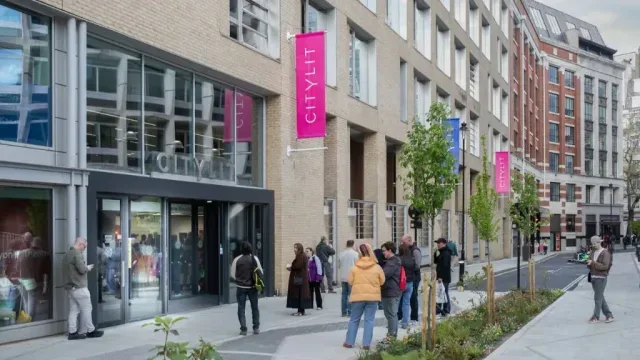
Keeley Street, Covent Garden