Ceramics in early Islam: 9th – 16th centuries


An all-levels art history course tracing Islamic ceramic technologies, designs and cross-cultural influences from the ninth to sixteenth centuries.
About this course
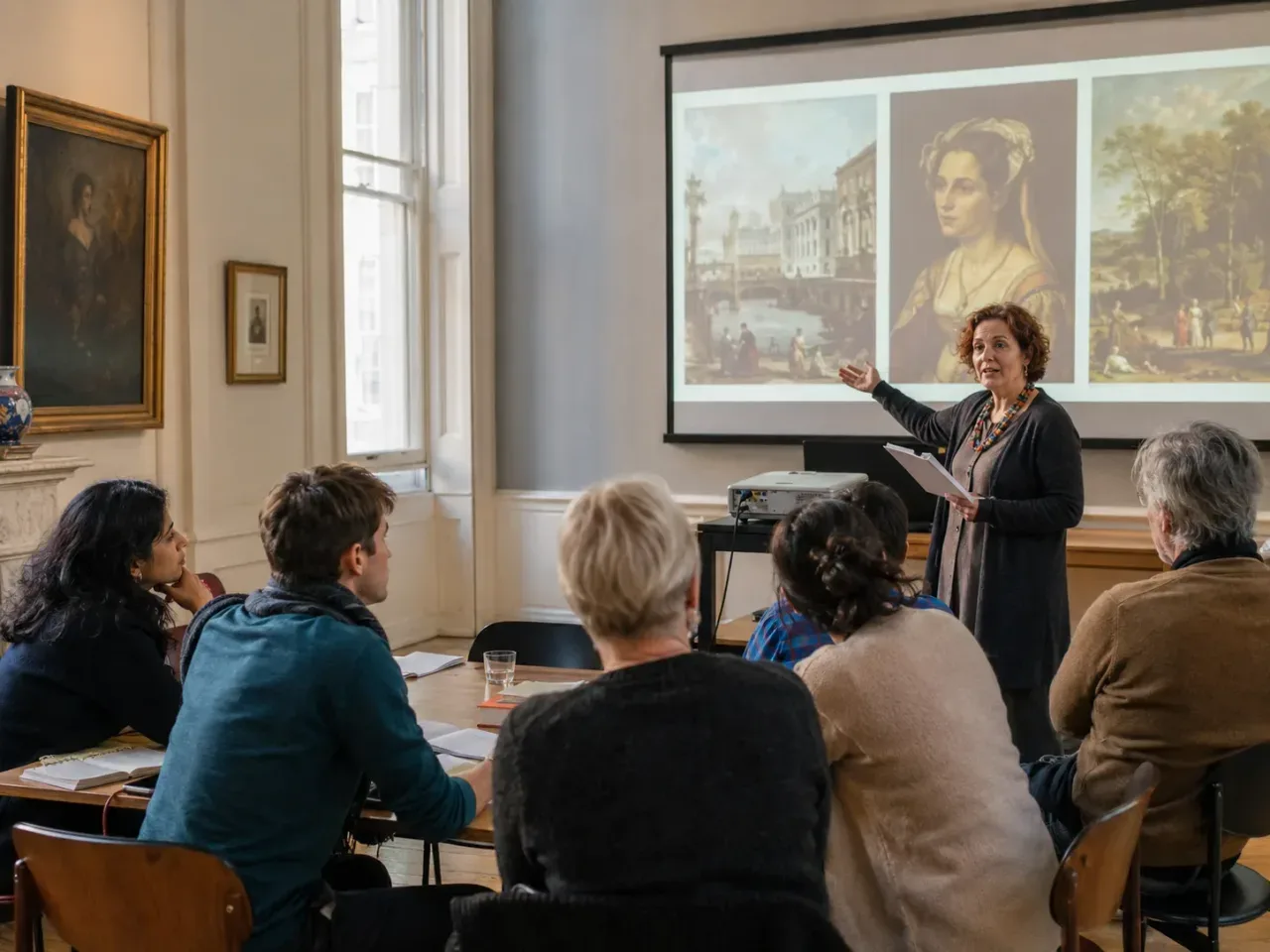
The course examines major developments in Islamic ceramics, including lustreware, cobalt-blue underglaze painting, fritware and architectural tile production. It considers how ceramics from China influenced Islamic design and technology, and how Islamic processes later affected European wares such as Spanish maiolica. Teaching combines classroom lectures, PowerPoint presentations and discussion with gallery-based lectures in museum collections. Examples from Iraq, Iran, Central Asia, Spain and the Ottoman world are used to explore changing technologies, styles and patterns of patronage.
What you'll learn
- Identify the approximate period and place of production of selected lustreware examples.
- Distinguish pottery types associated with cobalt-blue decoration.
- Describe production methods used for selected architectural ceramics and tiles.
- Recognise stylistic differences associated with Islamic dynasties that supported ceramics production.
Is this course right for you?
The course is intended for learners at all levels and uses lectures, discussion and close study of objects in museum galleries. Participants should be able to follow written and spoken instructions, demonstrations, handouts and health and safety information. Some gallery sessions involve walking between exhibits and standing while viewing them.
- Two sessions take place in museum galleries during public access hours.
- Gallery teaching may involve background noise and the behaviour of other visitors.
- Learners who may need adjustments for gallery access can discuss reasonable accommodations with the department before the course.
Before you go
- The course uses Google Classroom to share learning materials; learners should be familiar with it or willing to learn how to use it.
- A notebook for notes and a folder for printed handouts may be useful.
- Museum gallery sessions may require walking between exhibits and standing for periods; a personal portable stool may be brought, although gallery seating is not guaranteed.
- Wheelchair users should confirm access arrangements because accessibility can vary between galleries.
Class teacher
Anita Chowdry
Class teacher
Where this course runs
Upcoming classes
1 class
Selected date
Fri 26 Feb 2027
11:00 – 13:00 • 4 weeks
£139
Keeley Street, Covent Garden