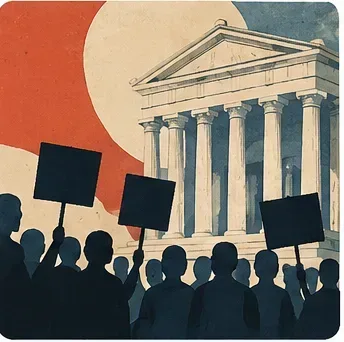
Critical theory

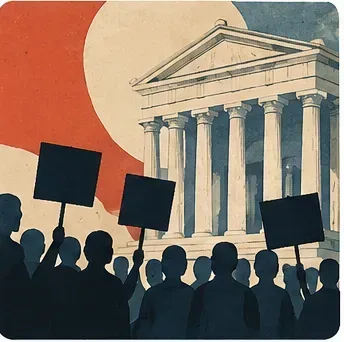

A beginner-level philosophy course exploring early German Critical Theory through close reading, historical context and critical discussion.
About this course
The course examines the work of Walter Benjamin, Max Horkheimer, Theodor Adorno and Herbert Marcuse, tracing how early German Critical Theory developed amid fascism, exile and postwar capitalism. Sessions connect the tradition with Marxism and psychoanalysis while considering concepts such as dialectics, reason, experience and the culture industry. Teaching combines close reading of primary texts with discussion of theoretical and historical material. The course also considers the legacy, limitations and possible misuse of Critical Theory, including its relevance to contemporary social critique.
What you'll learn
- Explain the historical and philosophical conditions from which early German Critical Theory emerged.
- Describe central arguments and concepts in the work of Benjamin, Horkheimer, Adorno and Marcuse.
- Assess the relevance and limitations of early Critical Theory in relation to contemporary social and political conditions.
Is this course right for you?
The course is intended for beginners and does not require prior knowledge. Participation involves listening to and thinking critically about ideas, including perspectives with which learners may disagree. Close reading and group discussion form a central part of the learning.
- No prior knowledge of Critical Theory is stated as necessary.
- Learners should be prepared to engage with challenging theoretical and political ideas.
Before you go
- Recommended weekly reading is set but is not obligatory.
- No additional costs are stated.
Class teacher
Jessica Feely
Class teacher
Where this course runs
Upcoming classes
1 class
Selected date
Tue 20 Oct 2026
17:30 – 19:30 • 8 weeks
£239
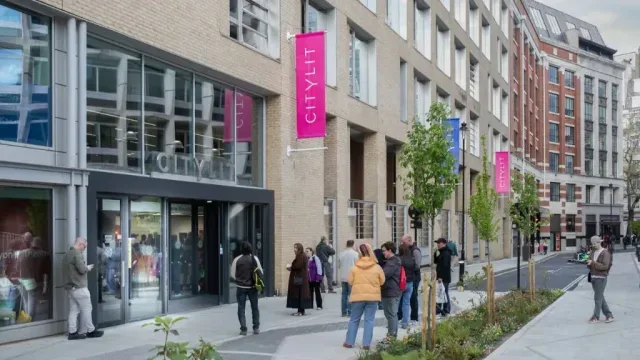
Keeley Street, Covent Garden