
Early music ensemble



An intermediate early music ensemble exploring 17th-century broken consort repertoire through group playing, sectional work and score study.
About this course
The ensemble explores the contrasting combinations of string and wind instruments used in 17th-century broken consorts, working at modern pitch (A=440). Sessions combine tutor explanations, demonstrations, group playing and sectional rehearsals. Participants study scores to see how individual parts contribute to the whole, while developing approaches to early Baroque phrasing, articulation, tempo changes and ornamentation. Repertoire is approached through listening, score reading and preparation of individual parts, with attention to tuning and musical interaction within the small ensemble.
What you'll learn
- Improve intonation when playing in a mixed-instrument ensemble
- Respond musically to other performers in a small group
- Apply elements of early Baroque phrasing and articulation
- Interpret tempo changes and ornamentation in early music
- Read ensemble scores to understand how the parts combine
Is this course right for you?
The course is intended for intermediate instrumentalists with at least Grade 5 standard and good music-reading skills. Previous ensemble experience is helpful but not essential. Participation involves playing in the full group and in sections, listening and score reading, as well as practising individual parts.
- Suitable instruments include recorders, viols, flute, violin, viola, oboe, cello and bassoon
- Participants should be willing to explore embellishment and ornamentation
- Sight-reading ability is not required
Before you go
- Participants need to bring their own suitable instrument or instruments.
- A pencil and eraser are required.
- Musical materials are provided by the tutor.
- A digital keyboard is provided by the college; other suitable keyboard instruments include harpsichord, clavichord and spinet.
Where this course runs
Upcoming classes
2 classes
Selected date
Mon 11 Jan 2027
13:45 – 15:45 • 11 weeks
£299
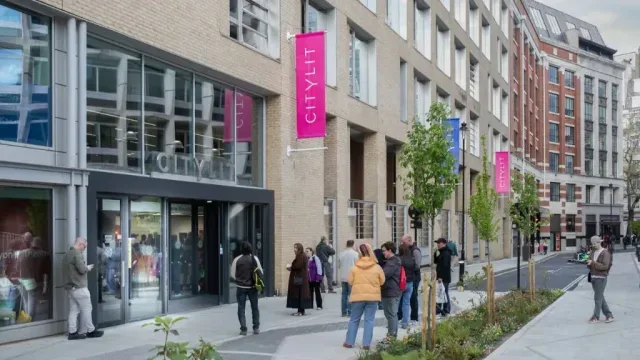
Keeley Street, Covent Garden
Music team
Book this class →Other available dates
| Starts | Schedule | Length | Teacher | Venue | Price | |
|---|---|---|---|---|---|---|
11 Jan 2027 Mondays | 13:45 - 15:45 | Short course11 weeks | MusicTeacher | Keeley StreetWC2B 4BA | £299.00 | Book now |
12 Apr 2027 Mondays | 13:45 - 15:45 | Long course13 weeks | MusicTeacher | Keeley StreetWC2B 4BA | £329.00 |
Mon 12 Apr, 13:45 - 15:45
13 weeks13 weeksMon 13:45£329MusicTeacherKeeley Street