Europe in the 1920s: between democracy and authoritarianism


An all-levels history course examining Europe’s political reconstruction, democratic experiments and turn towards authoritarianism during the 1920s.
About this course
The course traces Europe’s unsettled transition after the First World War, examining reconstruction, new states and competing political systems. Topics include the Weimar Republic, Central and Eastern Europe, Fascist Italy, the USSR under Lenin and Stalin, attempts to establish a new international peace system, and the effects of the Great Depression. Teaching combines lectures with PowerPoint presentations and discussions in large and small groups. The course also considers how political tensions, economic crisis and weaknesses in democratic practice contributed to the rise of the Nazis and the collapse of democracy in Germany.
What you'll learn
- Analyse the political and economic challenges of reconstructing Europe after the First World War.
- Evaluate the development and limitations of democracy in the Weimar Republic.
- Compare democratic and authoritarian developments across Central and Eastern Europe.
- Explain how Stalin consolidated power and assess the totalitarian character of the Bolshevik regime.
- Assess the effects of the Great Depression on selected European countries.
- Analyse the factors behind the rise of the Nazis and the destruction of democracy in Germany.
Is this course right for you?
Listed for all levels, the course may suit learners with an interest in European history. Previous background knowledge would be useful but is not essential. Participation includes lectures and discussions in both large and small groups, and a good standard of English is required.
- Previous European history knowledge is useful but not essential.
- Includes discussion work in large and small groups.
- Requires a good standard of English.
Before you go
- Bring a pen and paper.
- Handouts are provided in each class.
- Recommended books are not required purchases.
- Preparation material for discussions is available on the course website.
Class teacher
Sebastien Ardouin
Class teacher
Where this course runs
Upcoming classes
1 class
Selected date
Tue 12 Jan 2027
15:00 – 17:00 • 11 weeks
£299
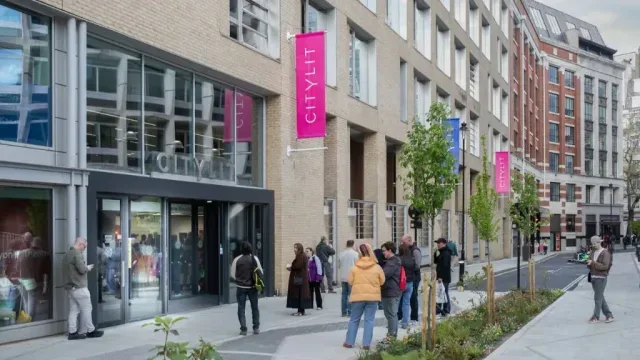
Keeley Street, Covent Garden