European global empires




A lecture-based introduction to the major European global empires, comparing their aims, methods, relationships and legacies, and intended for complete beginners.
About this course
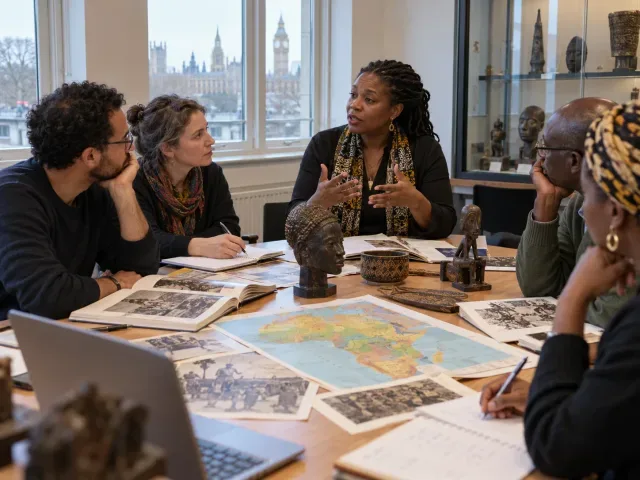
This course compares the major European empires established from the late fifteenth century, focusing mainly on the Atlantic and the Americas and also considering Pacific trading empires. It examines imperial aims, conquest, settlement, relations with Indigenous peoples, religion, cultural exchange, economic exploitation, slavery and governance. The course also considers resistance, rebellion and the eventual collapse of imperial power, including relationships with the “mother” countries. African empires receive brief reference, while developments from the late nineteenth century onwards are outside the main scope. Teaching is delivered through a series of lectures.
What you'll learn
- Compare the different approaches to empire taken by the main European powers.
- Explain how conquest, settlement and governance affected settlers and Indigenous peoples.
- Examine the roles of religion, cultural exchange, economic exploitation and slavery within imperial systems.
- Analyse how resistance, rebellion and the collapse of imperial power shaped the legacies of different empires.
Is this course right for you?
The course is designed for complete beginners and people with curiosity about European global empires. No particular skills are identified as necessary. Participation is lecture-based, with the course presenting a comparative study of imperial goals, practices, relationships and legacies.
- Suitable for complete beginners.
- No particular previous skills are specified.
Before you go
- The provider states that there are no additional course costs.
Class teacher
Michael Schraer
Class teacher
Where this course runs
Upcoming classes
1 class
Selected date
Thu 7 Jan 2027
12:45 – 14:45 • 5 weeks
£159
Keeley Street, Covent Garden