Experimental ceramics

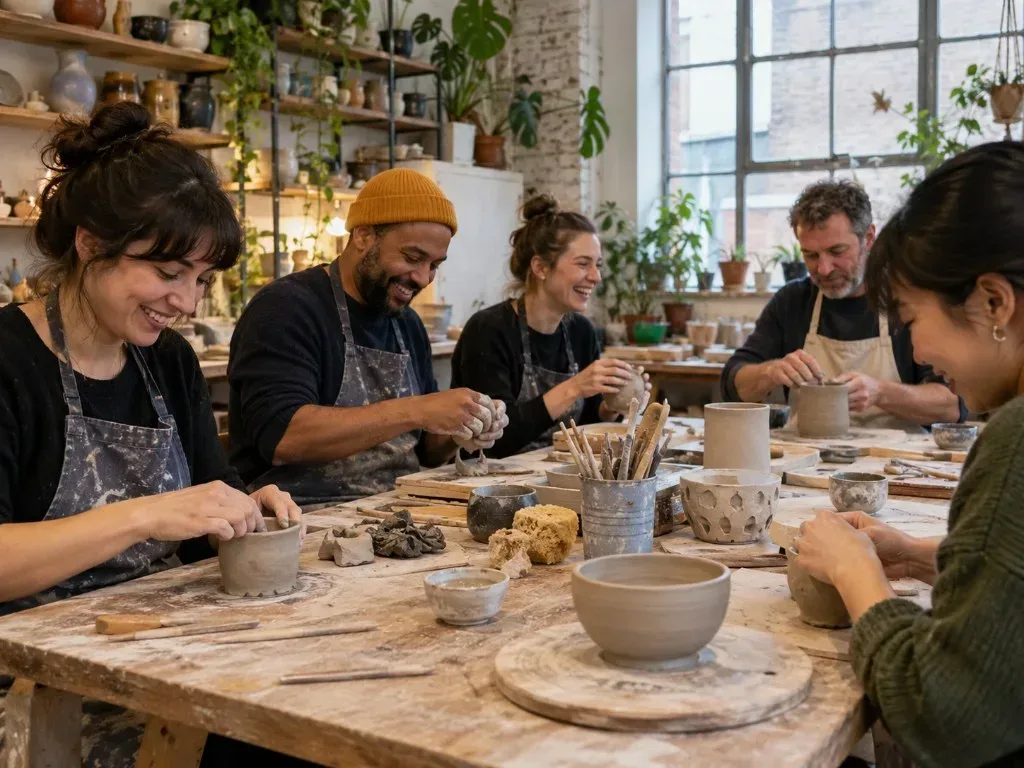
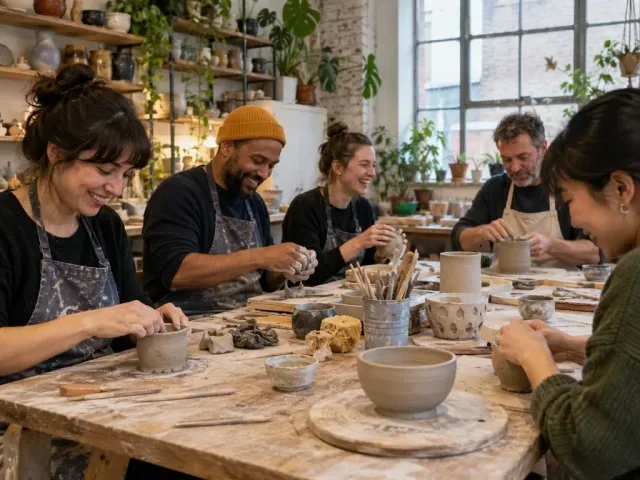
A beginner-level workshop exploring experimental hand-building, paper clay, textural glazes, casting slip and sagger firing through demonstrations and discussion.
About this course
The workshop examines less conventional ceramic processes using different clays and combustible materials. Participants will explore paper clay, create textured glazes inspired by volcanic surfaces, coat found objects with porcelain casting slip, and use clay saggers to contain metal and organic materials during firing. Teaching combines demonstrations, illustrated talks, handouts, and individual and group discussions. The course also includes preparing experimental work for firing and reviewing the results of glaze tests and other processes.
What you'll learn
- Explore the properties, uses and firing considerations of paper clay.
- Mix, test, evaluate and apply glazes designed to create textured surfaces.
- Coat combustible materials and found objects with porcelain casting slip.
- Construct and use clay saggers for containing materials during firing.
- Prepare experimental ceramic work appropriately and safely before firing.
- Follow health and safety guidance relevant to ceramic practice.
Is this course right for you?
The course is aimed at adventurous beginners and may also suit learners with some prior ceramic experience. It involves following written and verbal instructions, demonstrations and handouts, as well as individual reflection and group discussion. Simple measurements and calculations are part of the course.
- Learners should be able to follow written and verbal instructions and health and safety information.
- Simple measurements and calculations are required.
- Teaching includes individual and group discussions, alongside self-review of working methods and learning.
Before you go
- Basic tools and equipment are provided.
- Participants are asked to bring simple, inexpensive metal objects, such as nails, and organic materials including dried plants, rice, paper and cloth.
- A sketchbook is required for recording results and developing ideas. A camera or camera phone is useful for visual records.
- The motor on pottery wheels may pose a serious risk to people with pacemakers or internal defibrillators. Anyone affected cannot work in the ceramics studio while the wheels are in use.
Class teacher
Tana West
Class teacher
Where this course runs
Upcoming classes
1 class
Selected date
Sun 30 May 2027
10:00 – 17:00 • 6 weeks
£649
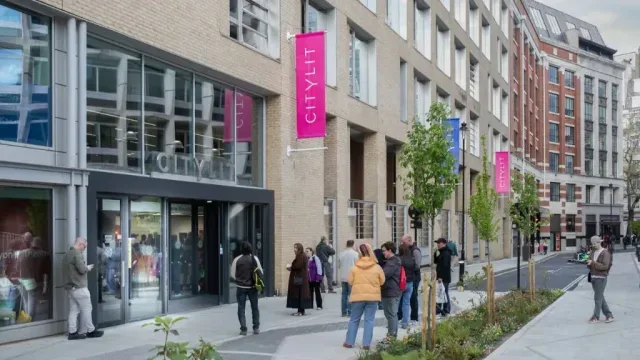
Keeley Street, Covent Garden