
Experimental pinhole photography



An improver-level course exploring pinhole cameras, exposure and darkroom printing through demonstrations and practical tasks.
About this course
The course introduces the history and theory of pinhole photography alongside the process of making and using cameras from different objects and materials. Participants will experiment with exposure times and produce pinhole images using several camera designs. Teaching combines presentations, demonstrations and practical work with wet-process darkroom chemistry under red light. The course also covers a basic darkroom workflow for creating prints, paper negatives and negatives, including contact printing.
What you'll learn
- Construct and use a range of pinhole cameras
- Estimate and calculate exposure times for pinhole photography
- Produce images, prints, paper negatives and negatives using darkroom processes
- Apply a basic wet-process darkroom workflow under red light
- Explain how different objects and materials can be adapted to make pinhole cameras
Is this course right for you?
Listed at Improver level, the course is intended for learners exploring alternative or traditional photographic processes. Some understanding of camera settings may help with the pinhole work, while the contact-printing element requires less camera knowledge. Participation includes following written and verbal instructions, simple measurements and calculations, and group discussion.
- Some familiarity with camera settings is helpful for the pinhole component
- Learners should be comfortable with simple numbers, measurements and calculations
- The teaching format includes demonstrations, practical tasks and group discussion
Before you go
- Materials will be available through Google Classroom.
- Bring a pen and notebook.
- An apron may be useful for protecting clothing from chemical residue.
Class teacher
Scott Perry
Class teacher
Where this course runs
Upcoming classes
2 classes
Selected date
Sat 6 Feb 2027
10:30 – 16:30 • 2 days
£199
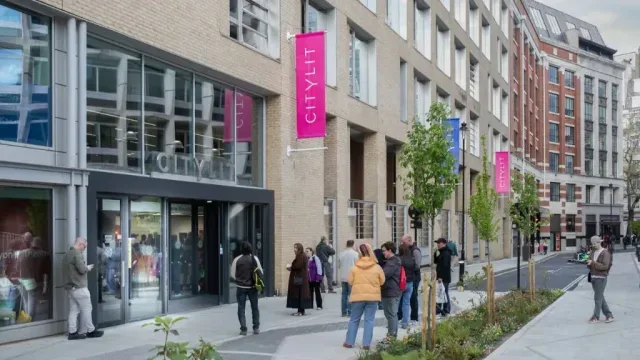
Keeley Street, Covent Garden
Other available dates
| Starts | Schedule | Length | Teacher | Venue | Price | |
|---|---|---|---|---|---|---|
6 Feb 2027 Saturday | 10:30 - 16:30 | Weekend course2 days | ScottPerry | Keeley StreetWC2B 4BA | £199.00 | Book now |
13 Jul 2027 Tuesdays | 10:30 - 16:30 | Short course2 weeks | ScottPerry | Keeley StreetWC2B 4BA | £199.00 |
Tue 13 Jul, 10:30 - 16:30
2 weeks2 weeksTue 10:30£199ScottPerryKeeley Street