Food of Shakespeare's World, from The Taming of the Shrew to The Tempest

An improver-level literature course examining how food represents power, identity and social relations in Shakespeare’s plays through presentations, textual extracts and group discussion.
About this course
The course explores food as a cultural and dramatic theme in Elizabethan and Jacobean England, using The Taming of the Shrew and The Tempest as its main texts. Discussion considers food’s connections with health, status, morality, courtship, marital control, colonisation, power and illusion. Teaching combines tutor presentation with small-group and whole-class discussion. Learners study selected passages from the plays alongside extracts from recipe and cookery texts, using these sources to examine how appetite, hunger and desire are represented on stage.
What you'll learn
- Evaluate the significance of food in Shakespeare’s works and their wider Elizabethan and Jacobean context.
- Analyse how food relates to power, identity, class, race, gender, colonialism and nationhood in the plays.
- Identify dramatic techniques used to represent food, appetite, hunger and desire.
Is this course right for you?
The course is intended for improver-level learners, with some experience of studying dramatic literature noted as useful. Participants should be willing to consider different interpretations and contribute to or listen to small-group and whole-class discussion.
- Reading The Taming of the Shrew and The Tempest in full is recommended but not essential.
- The course involves discussion of literary, historical and cultural interpretations.
Before you go
- Learners need to buy or borrow their own copies of The Taming of the Shrew and The Tempest if they wish to read the plays in full.
- Key extracts from the plays and from recipe and cookery texts are provided for class study.
- Bring a pen and paper for note-taking.
Where this course runs
Upcoming classes
1 class
Selected date
Tue 4 May 2027
19:45 – 21:45 • 4 weeks
£139
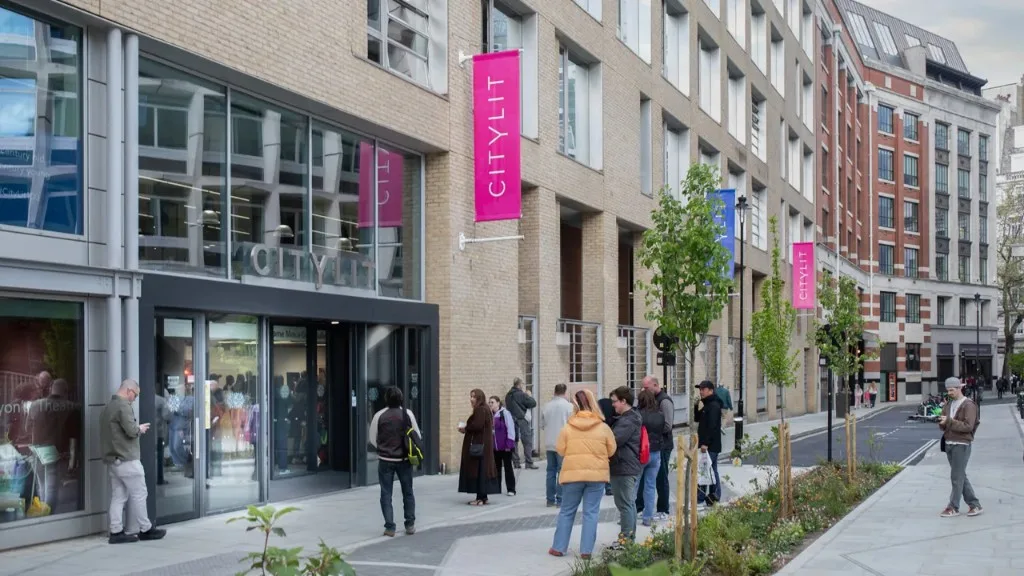
Keeley Street, Covent Garden
History team
Book this class →