German History: Sites of Memory I

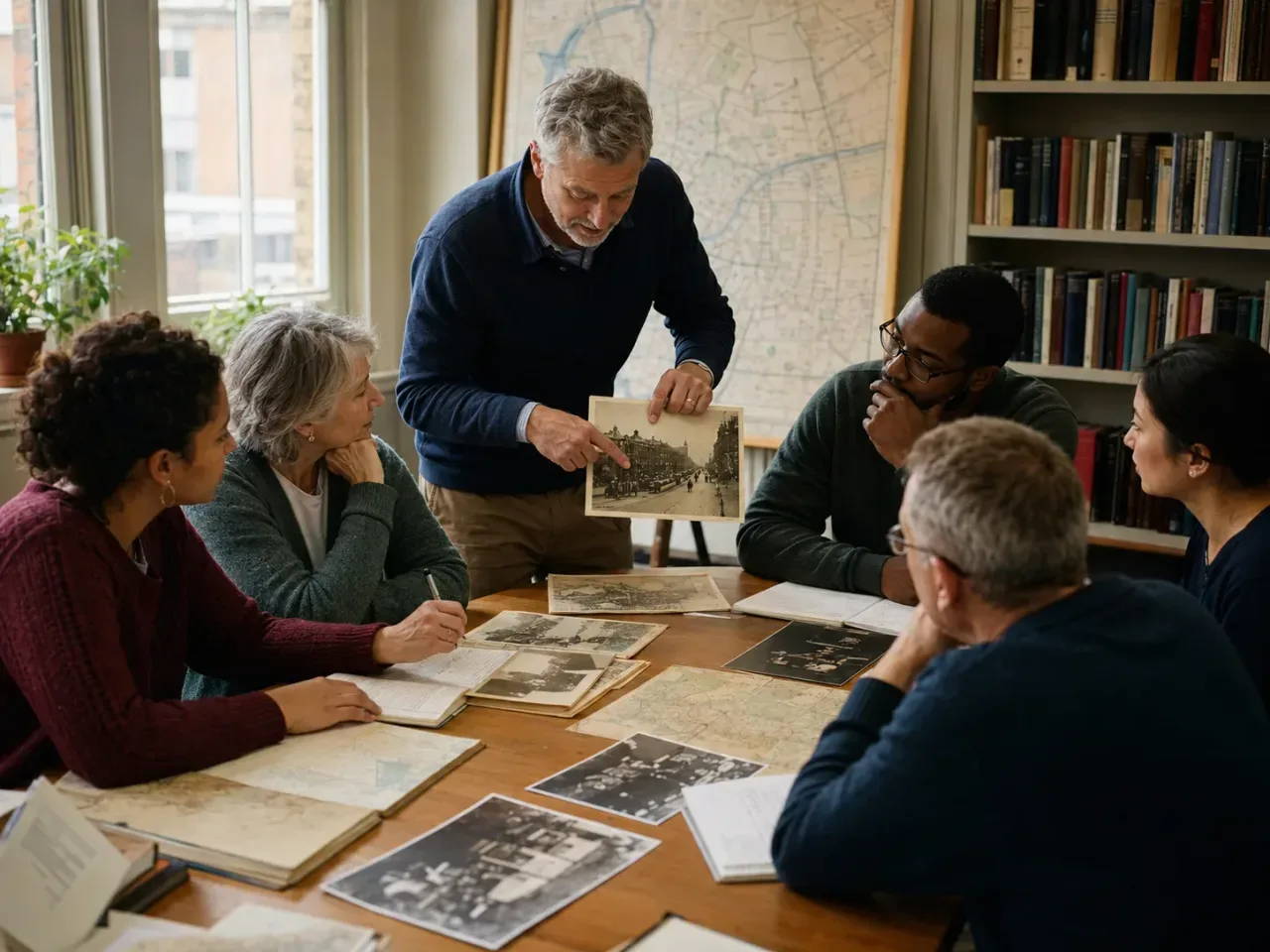

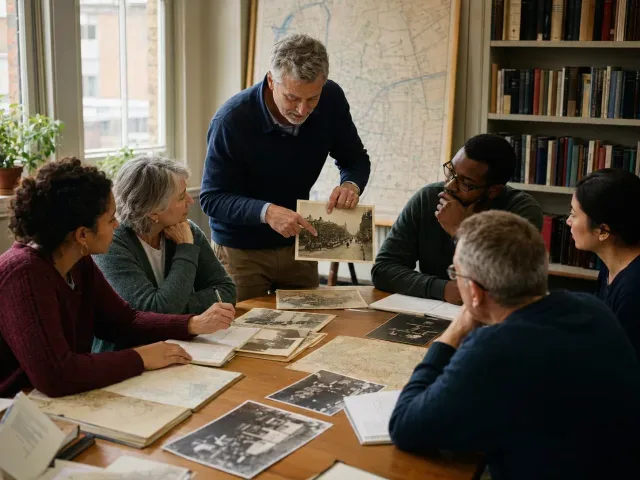
An all-level course examining German history and cultural memory through interactive lectures on significant sites, figures and symbols.
About this course
The course uses selected sites of memory to explore how German history has been shaped and remembered, from Roman and medieval legacies to the Reformation, nationalism, Nazism, parliamentary traditions and the former GDR. Case studies include Trier, Nuremberg, Worms, Weimar, Königsberg and socialist model towns such as Eisenhüttenstadt and Karl-Marx-Stadt. Teaching combines interactive lectures with written sources, images and videos. Class discussion and debate form part of the course, allowing participants to consider the varied and sometimes conflicting meanings attached to these places and symbols.
What you'll learn
- Examine how selected places and historical figures have acquired changing meanings.
- Compare different aspects of Germany’s political, religious, cultural and social history.
- Discuss the complex legacies represented by sites including Nuremberg, Weimar and the former GDR model towns.
- Use written sources, images and videos to support discussion of German historical memory.
Is this course right for you?
The course is designed for anyone interested in German history and culture, including learners without German reading skills or specialist background knowledge. Participation involves respectful discussion and debate, with an open-minded approach to complex and contested subjects.
- No German reading skills are required.
- No special background knowledge is required.
- Includes class discussion and debate.
Before you go
- Written sources, images and videos are provided for use during the course and, optionally, in learners’ own time.
Class teacher
Rudolf Muhs
Class teacher
Where this course runs
Upcoming classes
1 class
Selected date
Fri 15 Jan 2027
12:30 – 14:30 • 10 weeks
£279
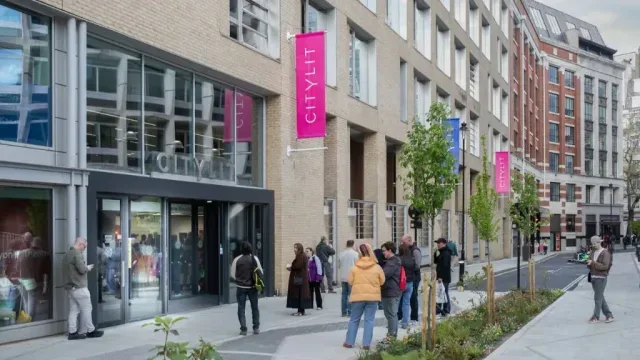
Keeley Street, Covent Garden