Global encounters: Europe and the Ottoman Empire, 1100-1700


An introductory history course examining Ottoman relations with Europe through lectures, discussion and analysis of original sources.
About this course
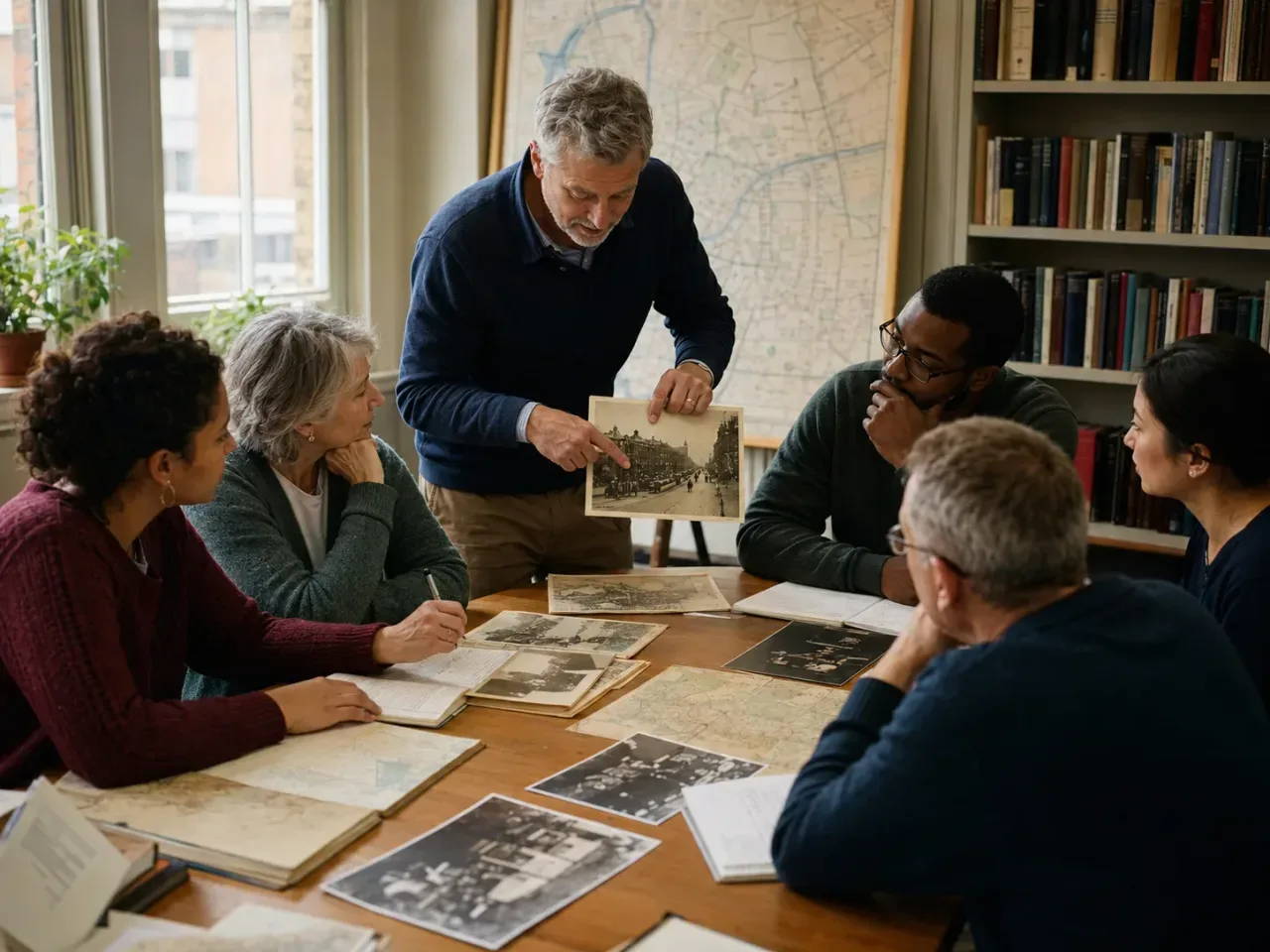
The course traces the rise of the Ottoman Empire and its changing relationship with Europe from the medieval period to the seventeenth century. Topics include trade and religious difference, the capture of Constantinople in 1453, Ottoman power in the sixteenth century, European ambassadors at the sultan’s court, and European artistic and literary representations of “the Turk”. Teaching combines weekly talks with PowerPoint presentations, class discussion and small-group analysis of original sources. Handouts support the sessions, and occasional short reading tasks may extend the topics explored in class.
What you'll learn
- Identify forms of Christian-Muslim interaction following the capture of Constantinople in 1453
- Describe encounters between European ambassadors and the Ottoman court using the letters of Ogier Busbecq
- Explain the causes and consequences of the battles of Lepanto and the siege of Vienna through relevant artworks
- Interpret seventeenth-century Muslim perspectives on the West in writings by Celebi and Osman of Timisoara
Is this course right for you?
The course is intended for learners with an interest in history and does not require previous knowledge. Participants are expected to understand English and engage constructively in class discussions, including small-group source analysis. The introductory level suggests that the material is designed to establish historical context before examining specific events and texts.
- No previous knowledge of the subject is necessary
- A good understanding of English is essential
- Constructive participation in class discussions is expected
- Occasional short homework reading may be provided
Before you go
- Learners may wish to bring materials for taking notes
- Occasional short homework reading may be distributed
Class teacher
Vanessa King
Class teacher
Where this course runs
Upcoming classes
1 class
Selected date
Thu 15 Apr 2027
12:45 – 14:45 • 6 weeks
£189
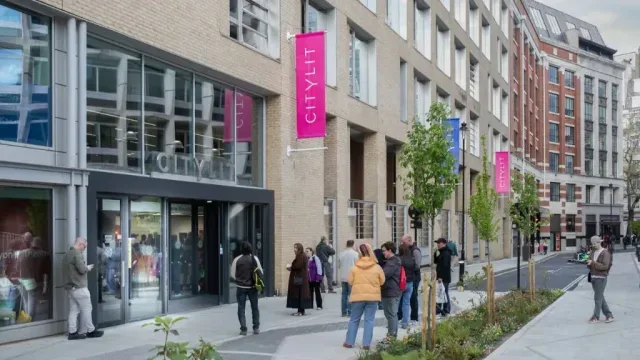
Keeley Street, Covent Garden