Global history late: ivory

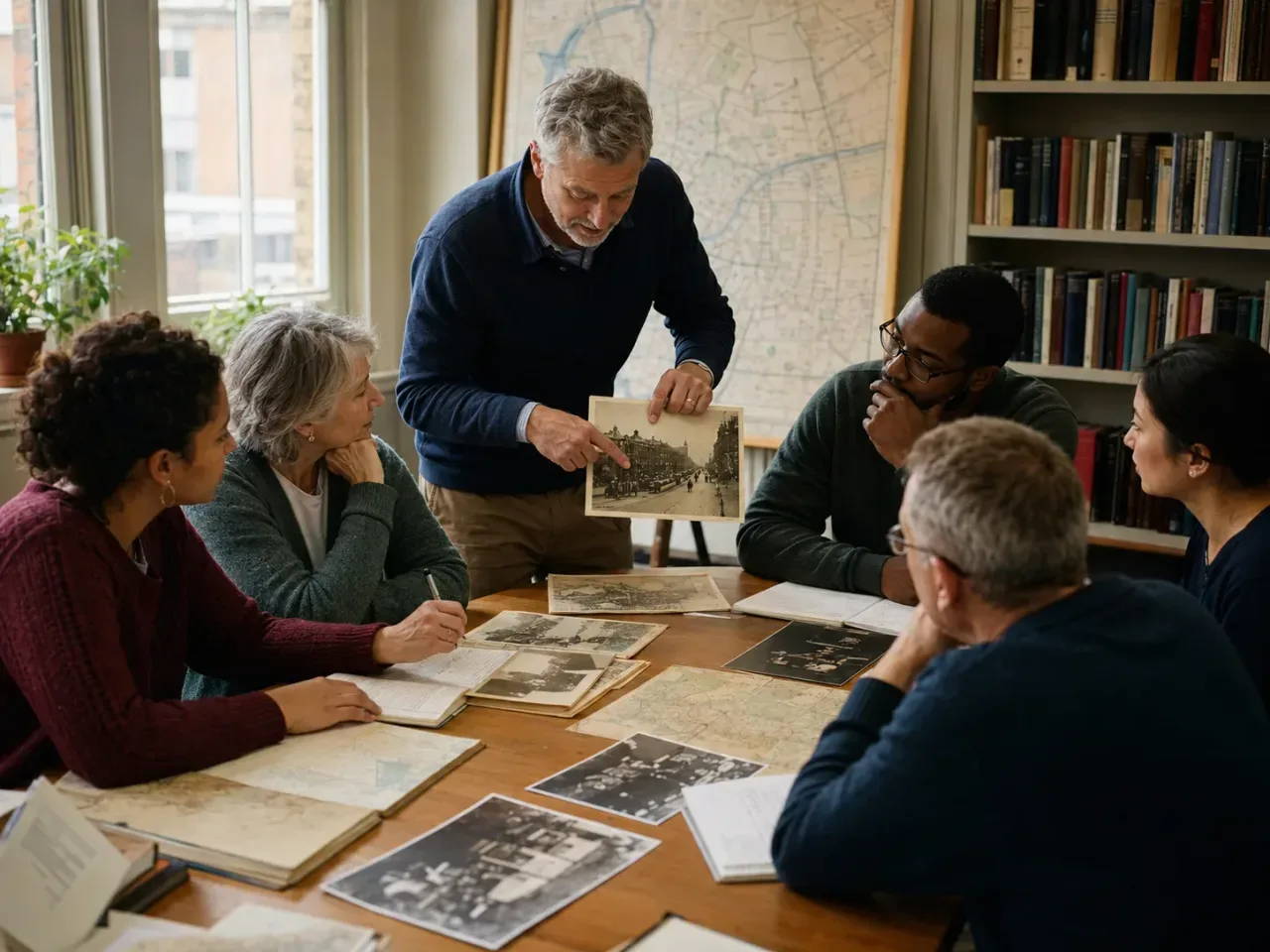

An illustrated lecture on the global ivory trade, its effects on African elephants, and debates over conservation and regulated trade, open to all levels.
About this course
This course traces the ivory trade from European expansion between the 15th and 20th centuries to the changing significance of Asian demand. It considers ivory’s use in religious objects, piano keys, jewellery and decorative art, alongside the effects of extraction on African elephants, ecosystems and international politics. Teaching combines maps, historical images, statistics and contemporary case studies. Questions, discussion and debate are incorporated throughout, with attention to the evidence surrounding legal and illegal trade, conservation measures and the disagreement over whether regulated trade could protect or further endanger elephants.
What you'll learn
- Explain how the ivory trade has affected African elephants in the past and present
- Describe the current distribution and population numbers of African elephants
- Outline the present status of legal and illegal ivory trade and attempts to control it
- Evaluate evidence for and against a regulated legal ivory trade
- Relate demand for a finite natural resource to wider changes in ecosystems, politics and conservation
Is this course right for you?
The course is open to everyone and requires no prior knowledge or specialist expertise. It is designed for participants willing to examine historical, environmental and political evidence, and to take part in questions, discussion and debate about contested conservation policies.
- Includes opportunities to discuss differing viewpoints on a controversial subject
Class teacher
Barnaby Phillips
Class teacher
Where this course runs
Upcoming classes
1 class
Selected date
Mon 14 Dec 2026
18:00 – 20:00 • 1 day
£29
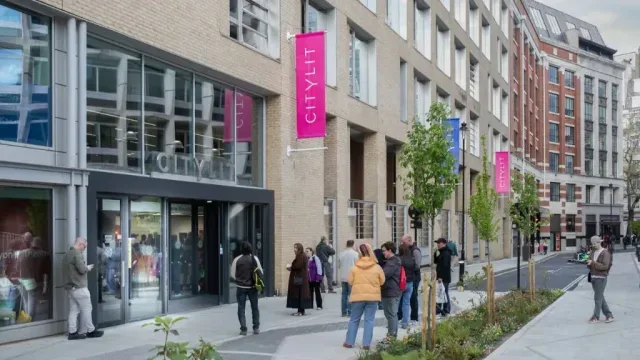
Keeley Street, Covent Garden