Hilma af Klint to Malevich: pioneering abstract art in Europe, 1907 to 1915



An all-levels art history study day examining the origins, ideas and key artists of European abstract art from 1907 to 1915.
About this course
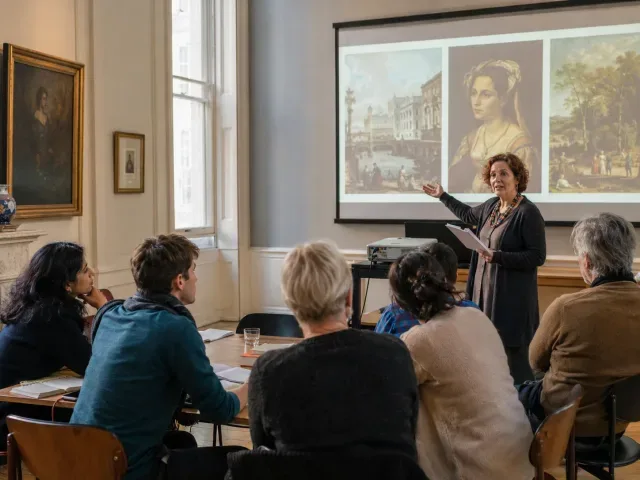
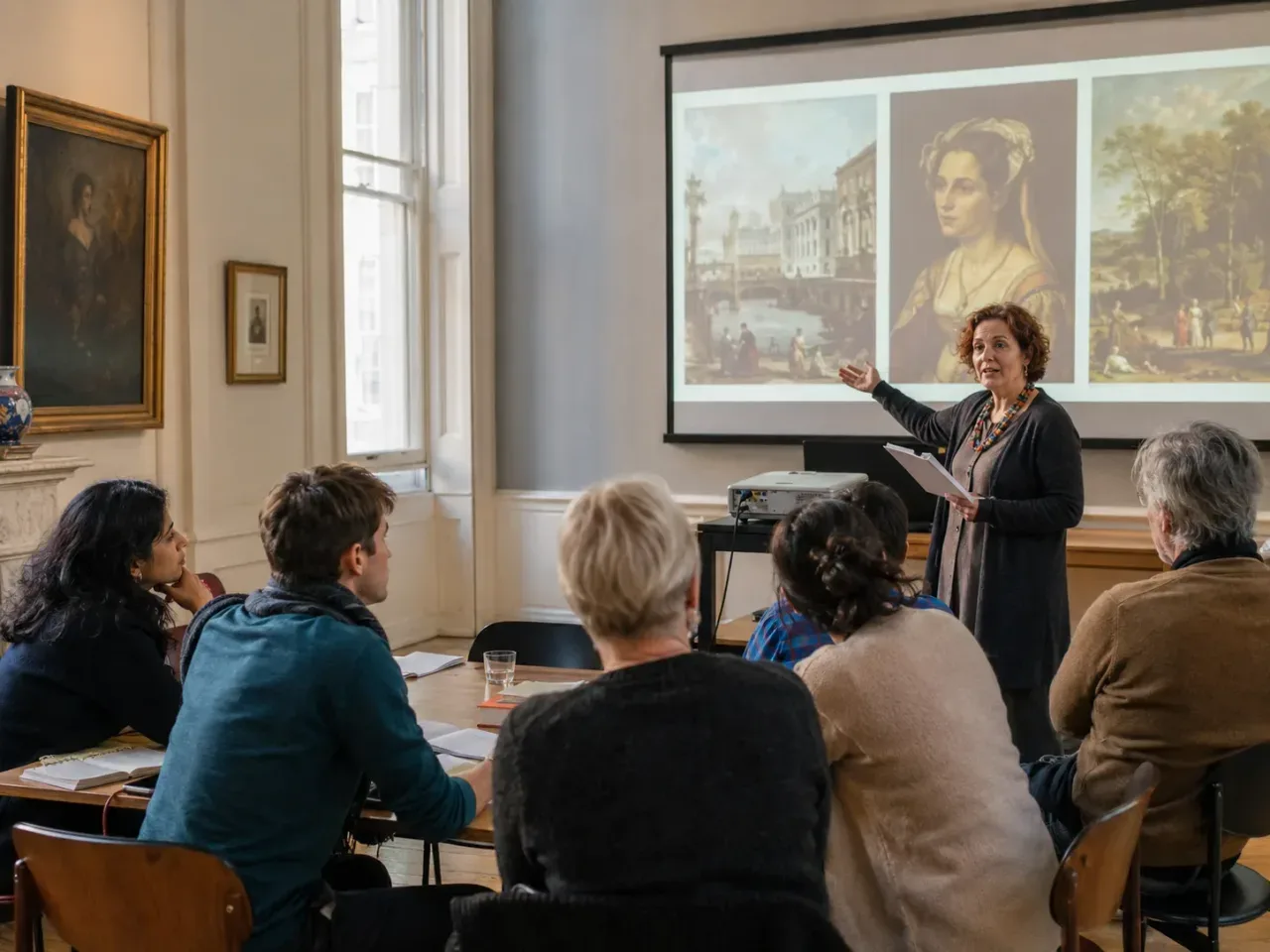
This course investigates how artists moved away from representing the visible world, focusing on the roles of colour, geometry, symbolism, spirituality, science and social change. It considers pioneers including Hilma af Klint, Wassily Kandinsky, Kazimir Malevich, Robert and Sonia Delaunay, Piet Mondrian and František Kupka, alongside other less widely known figures. Teaching combines lectures, slide presentations, activities and group discussion. Visual analysis and historical context are used to examine competing interpretations of abstraction, from formal experiments in line, colour and composition to symbolic works associated with hidden meanings and spiritual ideas.
What you'll learn
- Describe when and why artists began working non-figuratively in the early twentieth century
- Identify key pioneers in the development of abstract art
- Discuss differing approaches to interpreting meaning in abstract artworks
Is this course right for you?
The course is labelled suitable for all levels and involves lectures, visual analysis, activities and group discussion. Participants should be able to follow simple written and verbal instructions, demonstrations, handouts and health and safety information, and take part in group discussion.
- Includes discussion-based participation rather than lecture-only teaching
- Requires engagement with written and verbal course information
Before you go
- Handouts are provided.
- A notebook may be useful for taking notes.
- Books from any provided reading list may be purchased separately.
Class teacher
Caroline Levisse
Class teacher
Where this course runs
Upcoming classes
1 class
Selected date
Sun 24 Jan 2027
10:30 – 16:30 • 1 day
£79
Keeley Street, Covent Garden