
History of economic thought: part 2



An all-levels course examining major economic theories, their historical development and influence on contemporary society and public debate.
About this course
The course traces economic thought from the post-Industrial Revolution work of Ricardo, Malthus and Bastiat through utopian socialism, Marxism, centrally planned economies, anarchist ideas and arguments for limited government. It then considers the Great Depression, Keynesianism, monetarism and newer debates including Modern Monetary Theory. Teaching combines presentations, visual slides and interactive discussion. Ideas are considered alongside historical events and political developments, with attention to the assumptions and values underpinning different approaches to organising economic life.
What you'll learn
- Identify major economic ideas that have influenced the modern world
- Explain how different economic theories relate to historical events and political developments
- Recognise assumptions underlying competing economic arguments
- Relate historical economic theories to current government, business and public debates
Is this course right for you?
The course is intended for new and continuing students and does not require previous knowledge of economics or history. Its all-levels format combines taught presentations with interactive discussion, so participants should be prepared to consider competing ideas and take part in class activities.
- Can be taken independently or alongside History of Economic Thought: Part 1
- Welcomes learners without prior economics or history knowledge
- Includes interactive discussion as well as presentations and visual material
Before you go
- There is nothing to buy or bring for the course.
Class teacher
Christian Michel
Class teacher
Where this course runs
Upcoming classes
1 class
Selected date
Tue 19 Jan 2027
18:00 – 19:30 • 10 weeks
£219
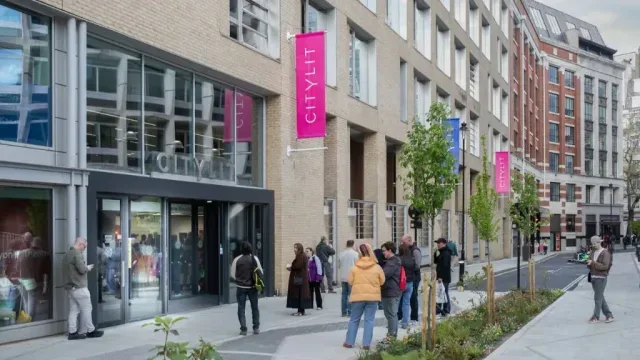
Keeley Street, Covent Garden