How to Look at Paintings – Gallery Visits

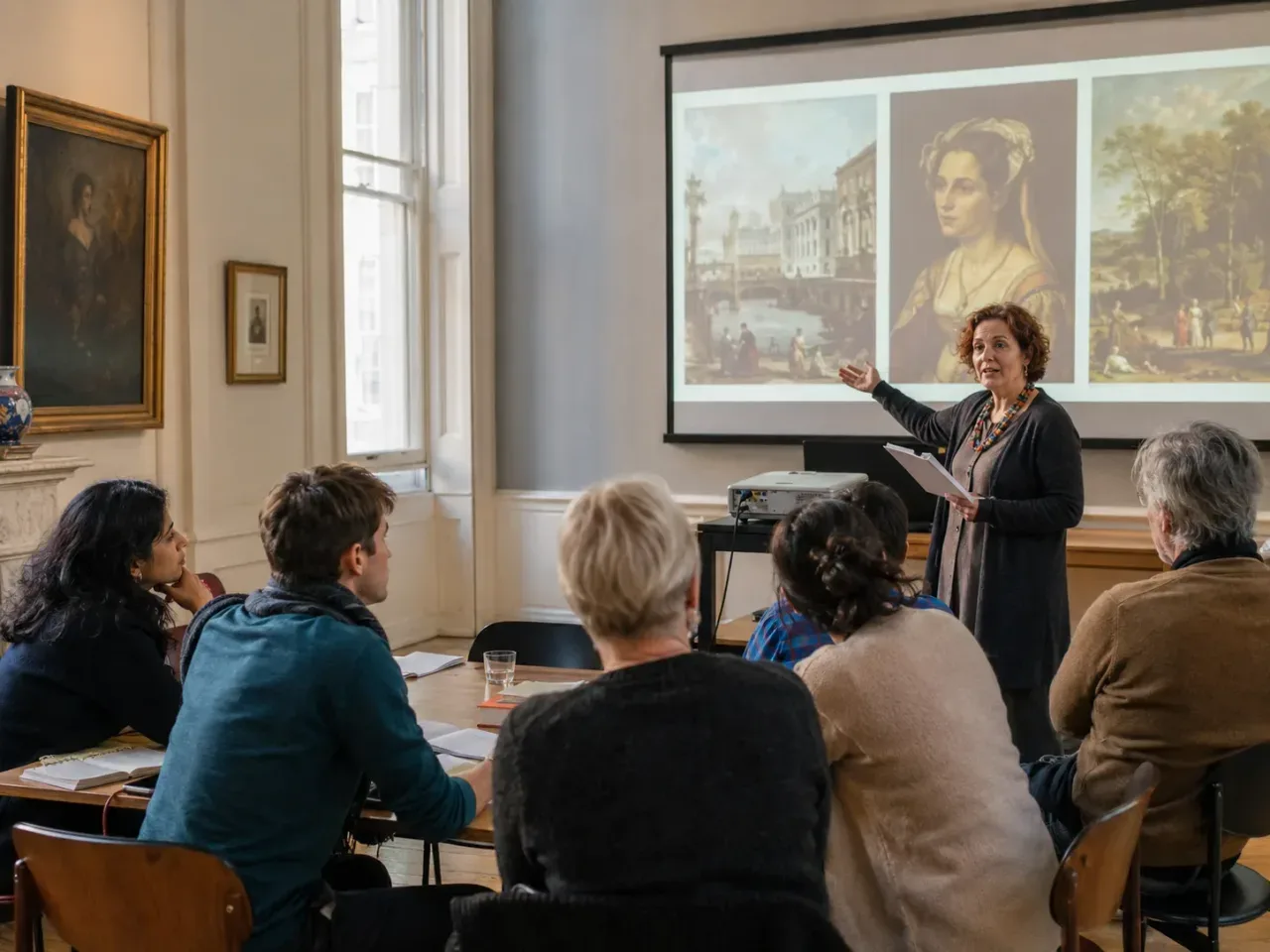

An all-levels course exploring European paintings through gallery visits, informal lectures, discussions, observation and group activities.
About this course
Sessions examine paintings from the 15th to 19th centuries, including both lesser-known works and recognised masterpieces. Discussion considers how images communicate through composition, symbolism, perspective, visual conventions and subject matter, alongside the social contexts in which they were made. Participants will compare artworks, develop vocabulary for describing what they see and consider how paintings have acquired cultural significance. Teaching combines informal lecture material with mindful observation, group activities and interactive questions and answers. Historical and art-historical information is presented in accessible language, with space for learners to contribute interpretations and raise questions.
What you'll learn
- Distinguish between different artistic styles and schools.
- Compare images by identifying similarities and differences.
- Explain compositional devices, symbolism and optical illusions.
- Recognise the effects of vantage point, viewing angle and perspective.
- Analyse how the beliefs and social attitudes of past societies relate to their art.
- Discuss the significance of conservation and restoration.
Is this course right for you?
The course is intended for learners at all levels and does not require previous knowledge of art history. It welcomes participants from different backgrounds and combines individual observation with group discussion, questions and shared interpretations. Gallery visits may involve some walking and standing, although long walks and prolonged periods in front of paintings are avoided.
- No specialist art-historical background is expected.
- Learners are encouraged to contribute views and questions in a group setting.
- Some physical stamina may be useful for gallery-based sessions.
Before you go
- A pencil or pen and paper may be useful for making notes.
- A phone or non-professional camera may be used for photographs without flash.
- Gallery seating is limited: free stools are available, with benches and sofas in some rooms.
Where this course runs
- View venue details ›
Off-site location
Selected class
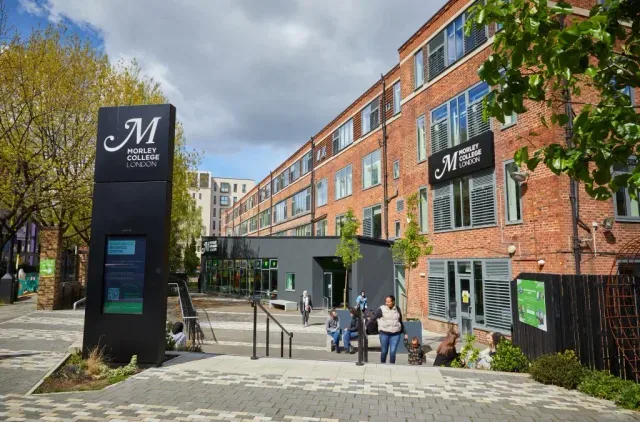
Morley College
Adult education across Waterloo, Chelsea, North Kensington and Stockwell
10 art history courses on Learn.LondonUpcoming classes
1 class
Selected date
Mon 12 Apr 2027
14:00 – 16:00 • 3 weeks
£85
Off-site location
Art History team
Book this class →