
How to scan photography negatives, transparencies and prints



An improver-level photography course covering ways to digitise prints, negatives and transparencies using scanners and a DSLR camera.
About this course
The course compares methods for digitising photographic materials, including flat-bed scanning, film scanning and DSLR camera techniques. It covers prints and artwork up to A4, 35mm and 120 film, and choosing a resolution that balances image quality with file size. Teaching combines presentations, demonstrations and guided practical work on Apple Mac computers and Epson scanners. Participants can practise scanning different types of photographic material and consider which approach is most suitable for a particular purpose.
What you'll learn
- Digitise prints, negatives and transparencies using a flat-bed scanner, film scanner or DSLR camera
- Choose a suitable digitising method for a particular purpose
- Set scanning resolutions while balancing image quality and file size
- Apply the techniques needed to continue digitising photographic materials at home
Is this course right for you?
The course is labelled Improver and is intended for learners developing beyond fundamental techniques, although the source does not specify a photography or scanning prerequisite. Participants should be reasonably computer literate, able to follow written and verbal instructions, use numbers for simple measurements and calculations, and take part in group discussion.
- Teaching includes demonstrations followed by guided practical work
- Participants are invited to contribute to group discussion
Before you go
- Bring a selection of black-and-white or colour negatives, slides and/or prints to scan.
- A memory stick or portable hard drive is useful for taking scans home. PC-formatted hard drives can be read by Apple Mac computers but cannot be written to.
Class teacher
Dominic Harris
Class teacher
Where this course runs
Upcoming classes
3 classes
Selected date
Fri 23 Oct 2026
10:00 – 17:00 • 1 day
£149
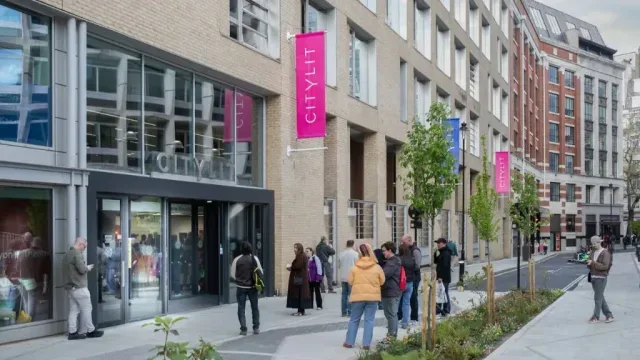
Keeley Street, Covent Garden
Other available dates
| Starts | Schedule | Length | Teacher | Venue | Price | |
|---|---|---|---|---|---|---|
23 Oct 2026 Friday | 10:00 - 17:00 | One-day class1 day | DominicHarris | Keeley StreetWC2B 4BA | £149.00 | Book now |
6 Apr 2027 Tuesday | 10:00 - 17:00 | One-day class1 day | DominicHarris | Keeley StreetWC2B 4BA | £149.00 | |
26 Jun 2027 Saturday | 10:00 - 17:00 | One-day class1 day | DominicHarris | Keeley StreetWC2B 4BA | £149.00 |
Tue 6 Apr, 10:00 - 17:00
1 day1 dayTue 10:00£149DominicHarrisKeeley StreetSat 26 Jun, 10:00 - 17:00
1 day1 daySat 10:00£149DominicHarrisKeeley Street