Ideals, principles and myths: making sense of political ideology


An all-levels course examining major political ideologies through tutor presentations, group work, quizzes and discussion.
About this course
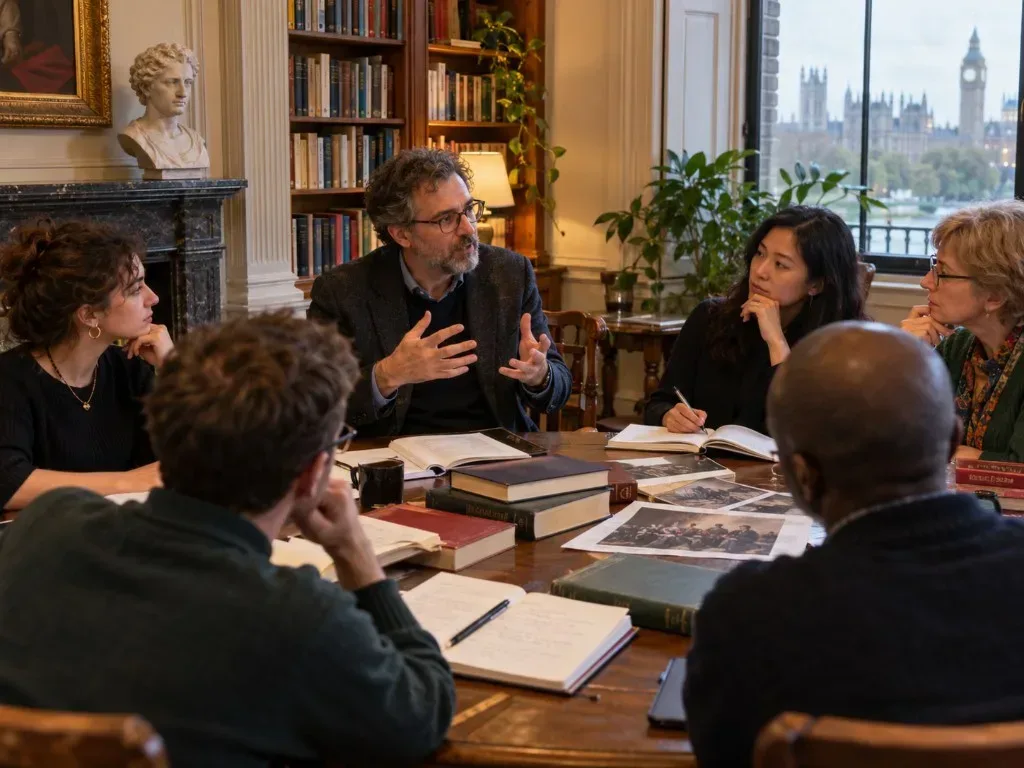
The course introduces the meaning and influence of ideology before examining political thought from the 19th century onwards. Topics include liberalism, conservatism, socialism, anarchism, fascism, nationalism, populism, environmentalism and feminism, with material connected to current political discourse. Teaching combines short lectures and presentations with question-and-answer sessions, quizzes, pair and group activities, and wider class discussion. Alongside their political ideas, participants consider how ideologies shape views of society, affect citizens and exercise power. The course becomes more participatory as it progresses, with learners contributing through collaborative activities and discussion.
What you'll learn
- Explain the distinct worldviews associated with major political ideologies.
- Explore why particular ideologies appeal to their adherents.
- Critically examine their own and other people’s ideological perspectives.
- Discuss significant contributions to political ideology in a constructive way.
Is this course right for you?
Open to learners at all levels, the course requires no particular skills. It is designed for participants willing to discuss political ideas, listen to perspectives they may not share and contribute to group and class activities. Some preparation outside class is expected through short readings, videos or podcasts.
- No previous skills are specified as necessary.
- The course involves increasingly active participation in pair, group and whole-class discussion.
Before you go
- Participants are expected to read short texts and/or watch documentaries or short videos and listen to short podcasts before or after lessons.
- A bibliography and further-reading list will be provided, including books, newspapers, podcasts, online articles and videos.
- Purchasing books or other suggested resources is optional.
Class teacher
Christian Schnee
Class teacher
Where this course runs
Upcoming classes
1 class
Selected date
Mon 18 Jan 2027
19:40 – 21:40 • 8 weeks
£239
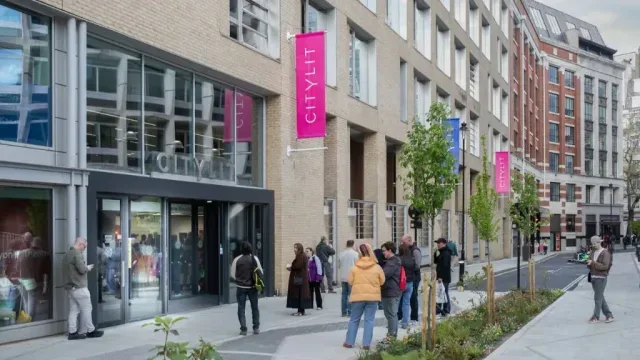
Keeley Street, Covent Garden