Introduction to casting and mould making


An all-levels course introducing plaster and rubber mould making, casting techniques and finishes through demonstrations and supervised individual work.
About this course
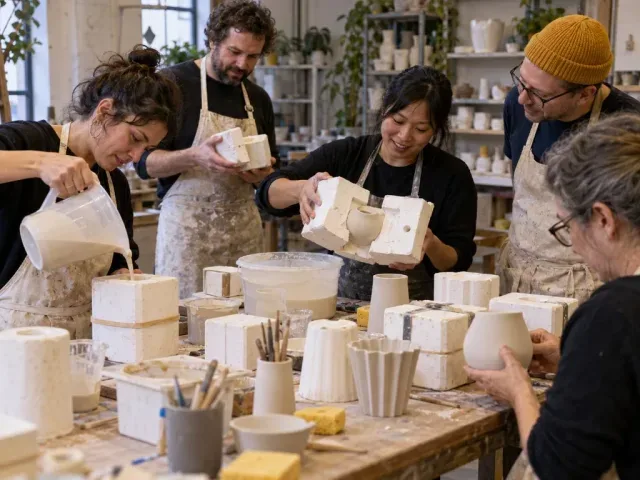
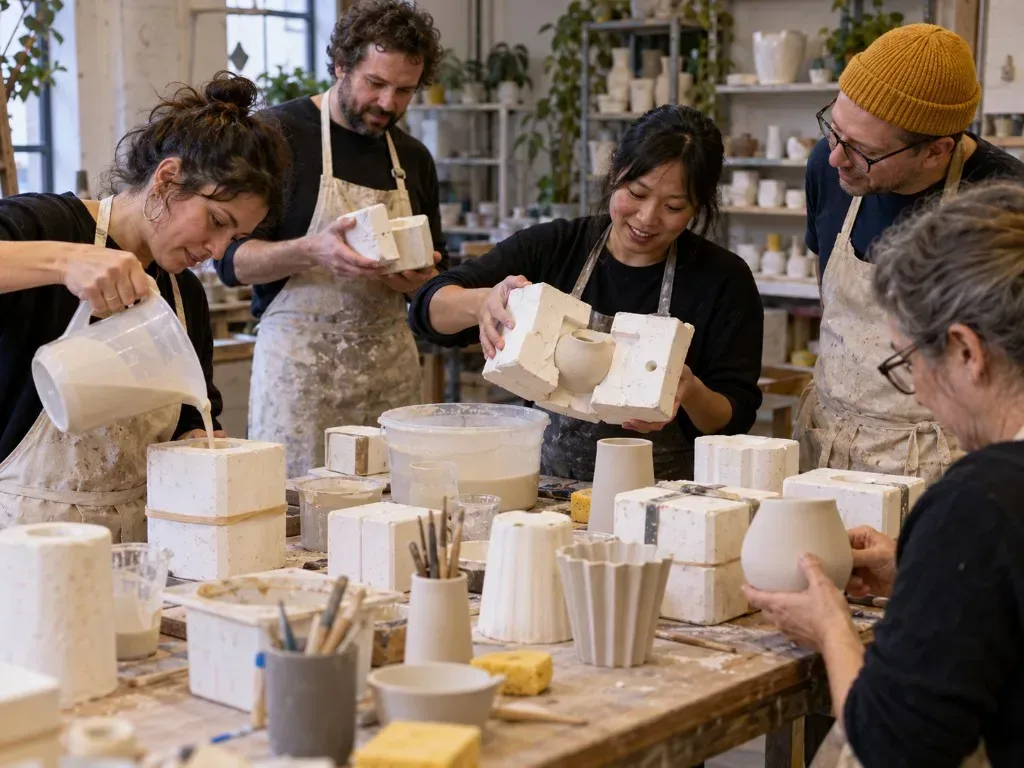
The course explores how to design and produce rubber and plaster moulds, then use them to cast sculptures in plaster of Paris, cement and Jesmonite. Participants will also prepare plaster moulds for cement casting and experiment with different cast finishes. Teaching combines a short presentation with tutor-led demonstrations, supervised individual making and a group critique of the work produced.
What you'll learn
- Explain fundamental principles of mould making
- Produce plaster and rubber moulds for casting
- Create casts in plaster of Paris, cement and Jesmonite
- Prepare a plaster mould for cement casting
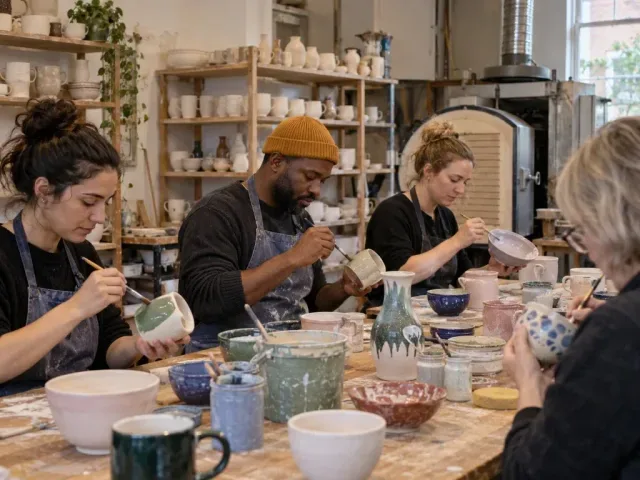
- Experiment with different finishes on casts
Is this course right for you?
The course is open to learners at all levels and explicitly welcomes those with no previous skills. Participants will work individually on moulds and casts under supervision, with an opportunity to take part in a group critique of the work.
- Combines individual practical work with group discussion and critique
Before you go
- All materials required for the course are provided.
- Participants may bring their own objects to cast, subject to discussion with the tutor about their suitability.
- Bring a sketchbook, pencils and a pen for sketching and note-taking.
- A camera or smartphone may be useful for documenting work in progress.
- Wear sturdy, closed-toe shoes. Old clothes or overalls are recommended because some materials may stain or damage fabric.
- Required personal protective equipment, including facemasks where needed, is provided and must be worn when required.
Class teacher
Valerie Merlo
Class teacher
Where this course runs
Upcoming classes
2 classes
Selected date
Fri 6 Nov 2026
18:00 – 21:00 • 6 weeks
£299
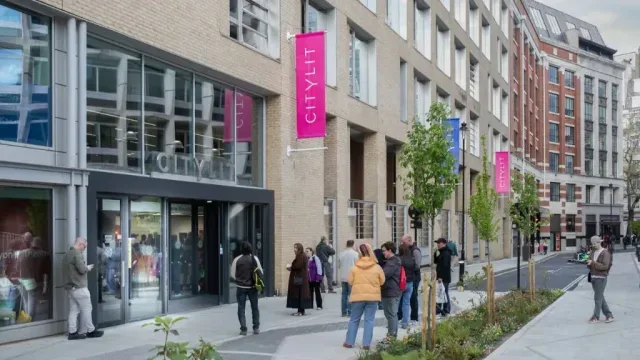
Keeley Street, Covent Garden
Other available dates
| Starts | Schedule | Length | Teacher | Venue | Price | |
|---|---|---|---|---|---|---|
6 Nov 2026 Fridays | 18:00 - 21:00 | Short course6 weeks | ValerieMerlo | Keeley StreetWC2B 4BA | £299.00 | Book now |
16 Apr 2027 Fridays | 18:00 - 21:00 | Short course6 weeks | ValerieMerlo | Keeley StreetWC2B 4BA | £299.00 |
Fri 16 Apr, 18:00 - 21:00
6 weeks6 weeksFri 18:00£299ValerieMerloKeeley Street