
Introduction to papier mâché

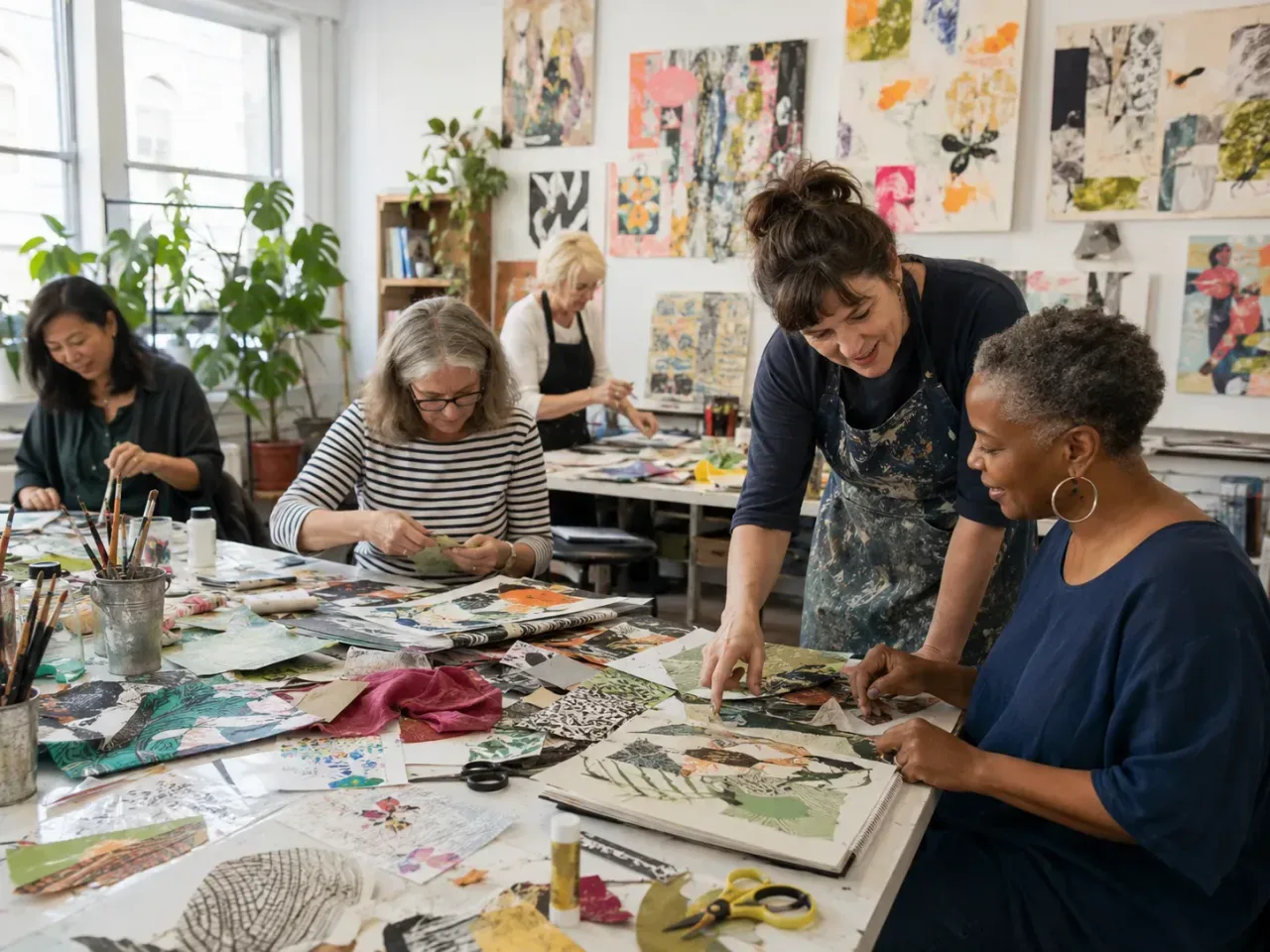

A beginner course exploring papier mâché through relief and three-dimensional modelling, mould-making, construction and surface finishing.
About this course
This course examines papier mâché in historical and contemporary art before exploring its use in relief and three-dimensional work. Participants develop forms using clay, Modroc and chicken wire, create positive and negative moulds, and investigate ways to combine the medium with other materials. The course also covers techniques for rendering papier mâché to resemble other materials and applying varied finishes. Google Classroom provides access to extension resources, image submissions and personalised feedback, while work outside class may include personal research.
What you'll learn
- Model forms using clay, Modroc and chicken wire
- Create positive and negative moulds
- Apply different papier mâché construction techniques
- Use finishing methods to emulate other materials
- Develop relief and three-dimensional outcomes
Is this course right for you?
The course is intended for beginners, including learners who are new to papier mâché or developing work in three dimensions. Participation involves practical making during class, with possible personal research and optional use of Google Classroom for resources, image submissions and feedback.
- Suitable for learners new to working with papier mâché in three dimensions
- Some work outside class may involve personal research
- Google Classroom can support extension work and feedback
Before you go
- Essential materials are provided, including newspaper, newsprint, wallpaper paste, chicken wire, clay, Modroc, paints and varnish.
- Specialist finishes or additional specialist materials must be supplied by the participant if required.
- Bring a sketchbook, pencils and a pen for sketching and note-taking.
- A camera or smartphone is useful for documenting work in progress.
- Wear sturdy, closed-toe shoes. Old clothes or overalls are recommended because some materials may stain or damage fabric.
- Personal protective equipment is provided and must be worn where required.
Class teacher
Ro Sylvester
Class teacher
Where this course runs
Upcoming classes
1 class
Selected date
Fri 26 Feb 2027
10:30 – 16:30 • 4 weeks
£349
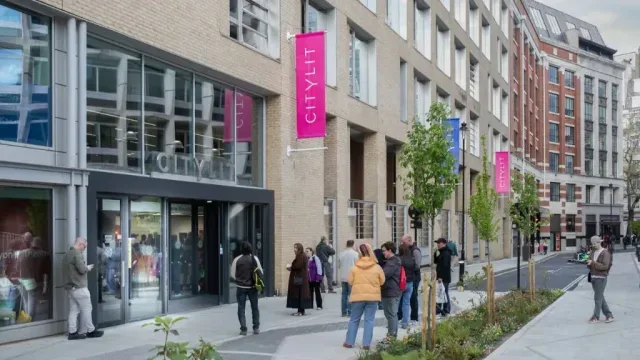
Keeley Street, Covent Garden