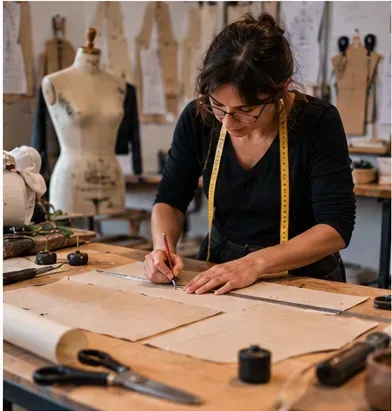
Introduction to pattern cutting III

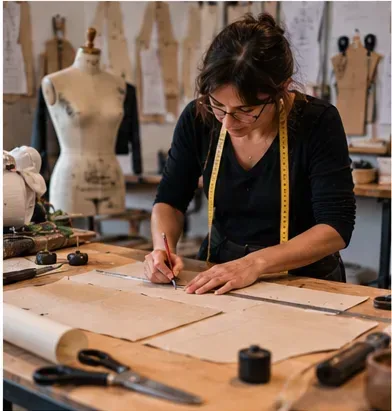

An intermediate pattern-cutting course covering garment analysis, pattern development and calico toile construction through demonstrations, workshop practice and individual guidance.
About this course
Learners develop a pattern from an existing garment or their own design, using tracing, measurements and garment analysis. The course covers calculating design requirements, selecting construction methods and translating a clothing design into a workable pattern, followed by a calico toile. Teaching combines demonstrations, discussion, workshop practice and one-to-one guidance. Learners work on an individual project, troubleshoot issues with tutor support and use Google Classroom for course materials and presentations. Work can be completed during class.
What you'll learn
- Create a pattern based on an existing garment or style
- Apply tracing and measurement techniques when developing patterns
- Interpret a clothing design and select appropriate construction methods
- Calculate the material and design requirements for a project
- Produce a calico toile to test a self-directed pattern
- Document a pattern method so the design can be recreated
Is this course right for you?
This course is intended for intermediate learners progressing from Introduction to Pattern Cutting II. Some pattern-cutting and sewing experience is required. Participation involves developing an individual project, workshop practice, group discussion and responding to written and verbal instructions.
- Learners should be able to take measurements and carry out simple calculations
- Written and verbal instructions, hand-outs and health and safety information form part of the course
- The course involves working independently on a chosen project alongside tutor guidance
Before you go
- Basic materials and resources are available as part of the course.
- A notebook and pencil may be useful for notes and samples.
- A digital camera may be brought to record work in progress.
- Additional materials may be needed depending on the chosen project; the tutor can advise during the course.
- Learners should sign in to Google Classroom before the first session to access course materials and presentations.
Class teacher
Rachel Selormey
Class teacher
Where this course runs
Upcoming classes
2 classes
Selected date
Tue 20 Apr 2027
10:30 – 16:30 • 6 weeks
£449
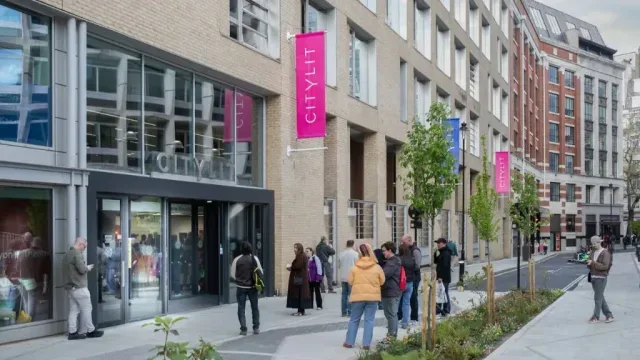
Keeley Street, Covent Garden
Other available dates
| Starts | Schedule | Length | Teacher | Venue | Price | |
|---|---|---|---|---|---|---|
20 Apr 2027 Tuesdays | 10:30 - 16:30 | Short course6 weeks | RachelSelormey | Keeley StreetWC2B 4BA | £449.00 | Book now |
29 Apr 2027 Thursdays | 18:00 - 21:00 | Short course11 weeks | RachelSelormey | Keeley StreetWC2B 4BA | £449.00 |
Thu 29 Apr, 18:00 - 21:00
11 weeks11 weeksThu 18:00£449RachelSelormeyKeeley Street