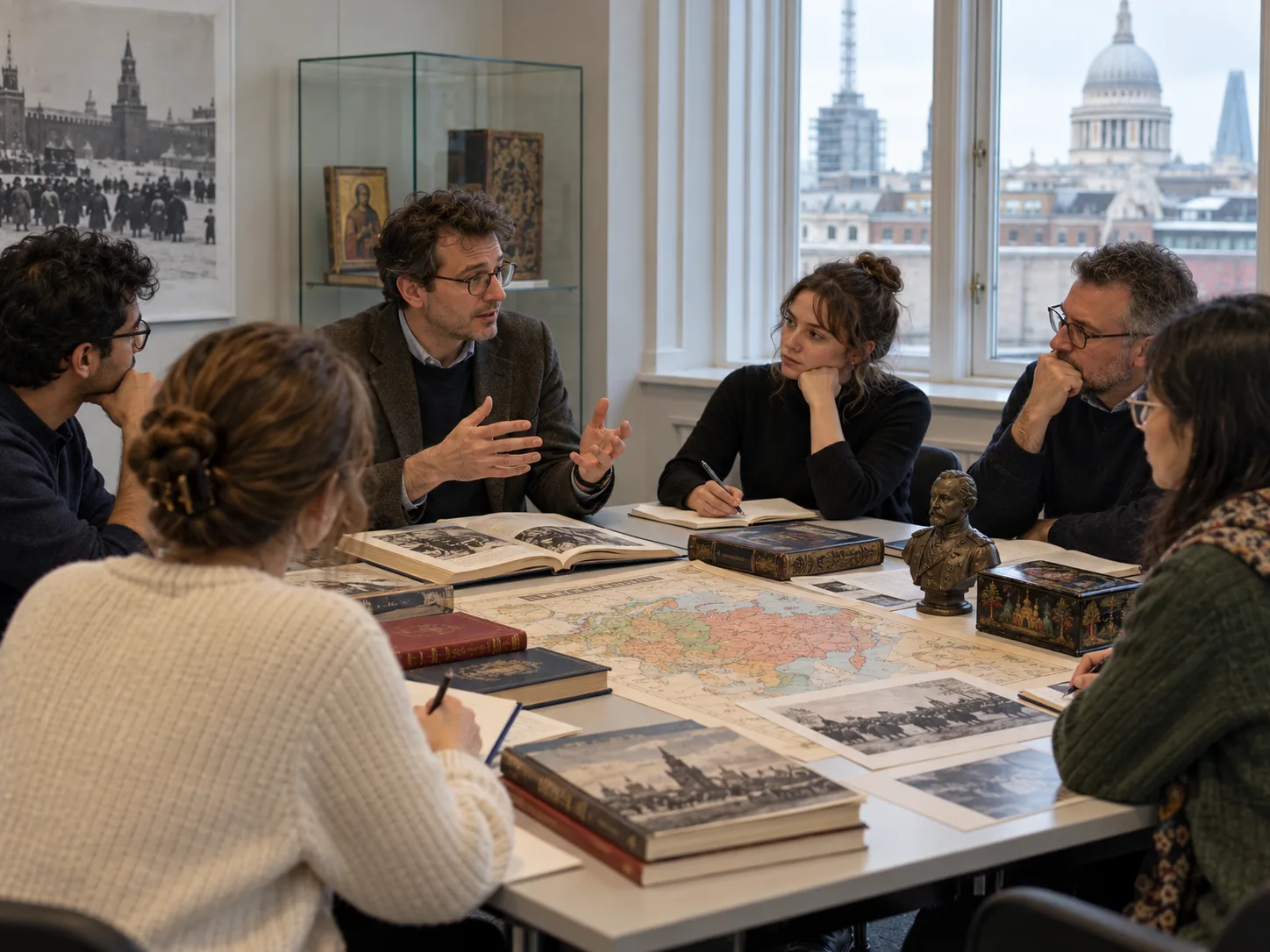
Introduction to Reading the Tudor World



A discussion-based introduction to Tudor literature, court culture and power in Early Modern England for beginner learners.
About this course
The course examines selected prose and poetry from the Tudor period, including works associated with Shakespeare, Petrarch and Sir Thomas Wyatt. Class discussion considers courtly culture, changing gender and power relations, and the ways literature responded to political events and continental influences. Learners will explore how translation, adaptation, imagery and symbolism shape literary meaning. Close examination of poetic forms will be linked to questions of composition, circulation, reception and the social uses of literature, with the tutor guiding discussion of extracts and their historical contexts.
What you'll learn
- Read and discuss short extracts in Early Modern English prose and poetry
- Relate Tudor literary works to their historical and literary contexts
- Examine how poetic form and language shape a writer’s purpose
- Evaluate the significance of imagery and symbolism in Early Modern literature
- Use relevant literary terminology when discussing texts
Is this course right for you?
Designed for anyone interested in Tudor literature and history, this beginner-level course requires no previous knowledge. It suits learners willing to read unfamiliar Early Modern English, persevere with linguistic challenges and contribute to class discussion while listening to other participants’ responses.
- No previous knowledge of the subject is necessary.
- The course is discussion based and involves considering texts with other learners.
- Learners should be prepared to engage with poetry and prose whose language may initially look unfamiliar.
Before you go
- Extracts are provided for each session, so learners do not need to buy the texts.
- There is no work outside class.
Where this course runs
Upcoming classes
1 class
Selected date
Sat 23 Jan 2027
10:30 – 12:30 • 1 day
£19
Keeley Street, Covent Garden
History team
Book this class →