Japanese 2 lower: module 2

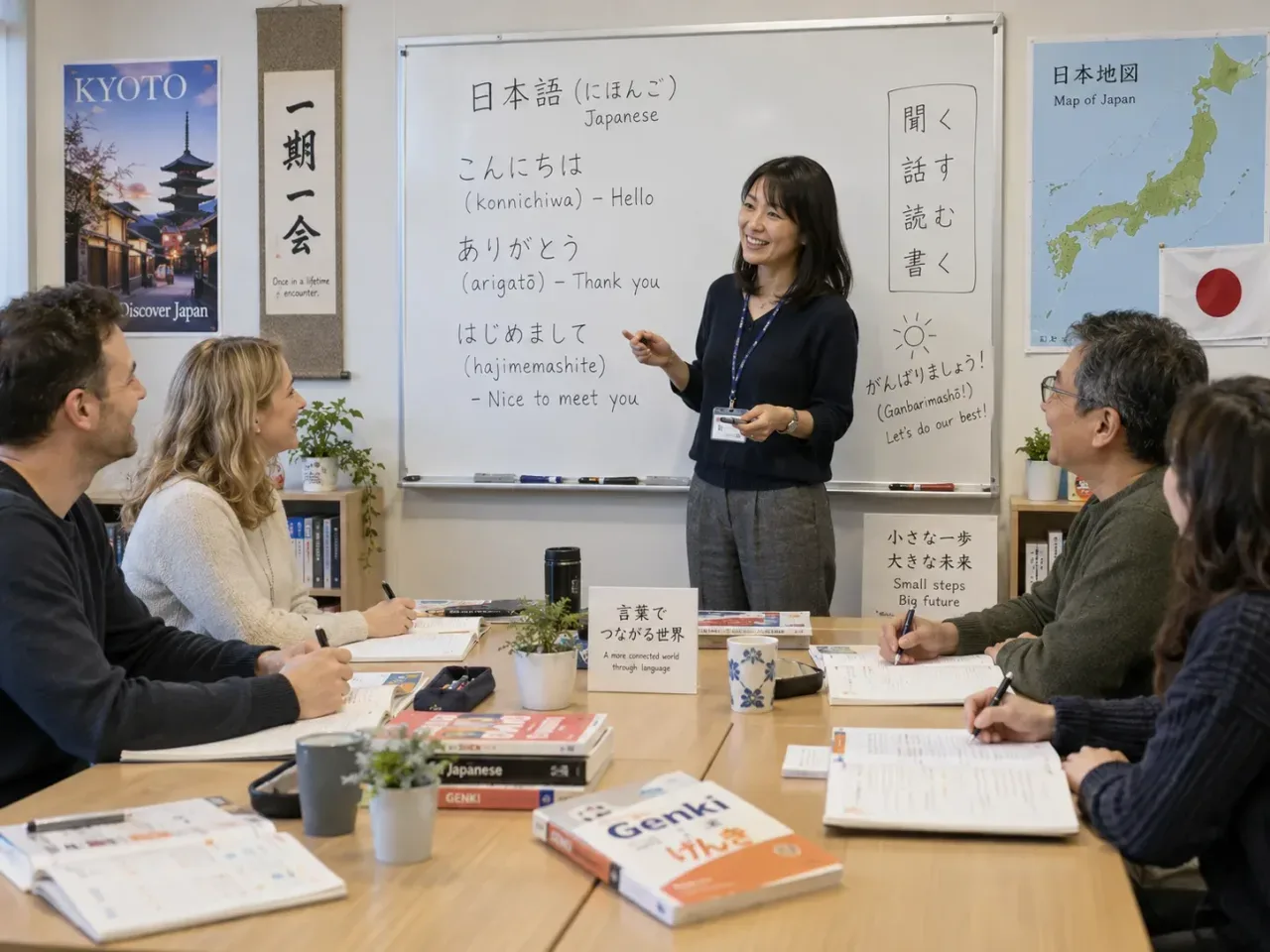

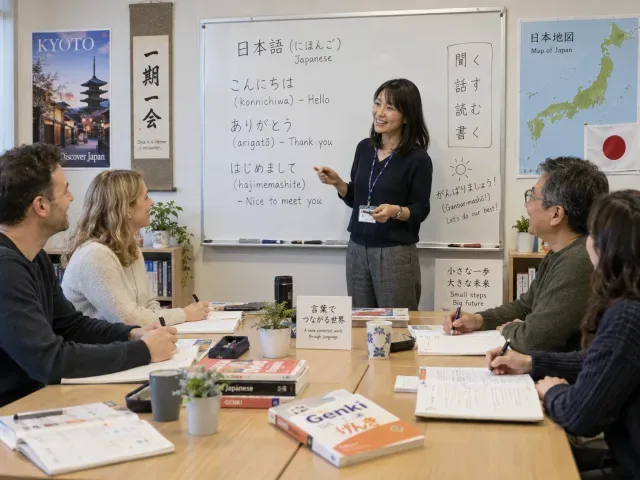
Elementary Japanese (A2) course developing spoken communication for everyday situations through interactive classroom activities.
What Elementary (A2) Japanese means
At A2 Japanese, learners can handle simple routine exchanges and describe familiar aspects of everyday life.
Describe your routine
普段はバスで通勤し、六時に帰宅します。
I normally go to work by bus and return home at six.
Make a simple plan
土曜日の午後、映画を見に行きませんか。
Would you like to go to the cinema on Saturday afternoon?
Talk about the recent past
昨日は友達と夕食を食べてから、散歩しました。
Yesterday I had dinner with friends and then went for a walk.
These are general examples of language use at this level, not a description of any individual course syllabus.
About this course
The course develops communication across topics such as weekend and travel plans, skills and interests, and asking for or offering help. Learners practise everyday activity verbs, time expressions and language used to invite people and make arrangements, while consolidating Katakana. Teaching centres on spoken interaction, using pair and group work, role plays, games, presentations, hand-outs and audio-visual resources. Homework is highly recommended to reinforce the classwork.
What you'll learn
- Discuss weekend and travel plans
- Describe skills and interests
- Invite people and make arrangements
- Ask for help and offer a service
- Use verbs for everyday activities and expressions of time
- Consolidate recognition and use of Katakana characters
Is this course right for you?
This course is intended for learners who have progressed beyond initial beginner Japanese, with participation focused on spoken interaction and collaborative activities. The stated background is more than one year of beginner Japanese or completion of Japanese 2 lower: module 1.
- Learners should be able to hold simple conversations about basic everyday topics.
- Basic knowledge of Hiragana and Katakana is expected.
- Learners need to respond to simple instructions and read course documents in English.
- Comfort with numbers used in daily activities, such as money and telling the time, is needed.
Before you go
- The course is based on the tutor's own materials; a book may be recommended.
Class teachers
Chikako Nakagawa
Class teacher
Junko Fuse
Class teacher
Where this course runs
Upcoming classes
4 classes
Selected date
Mon 11 Jan 2027
14:45 – 16:15 • 10 weeks
£259
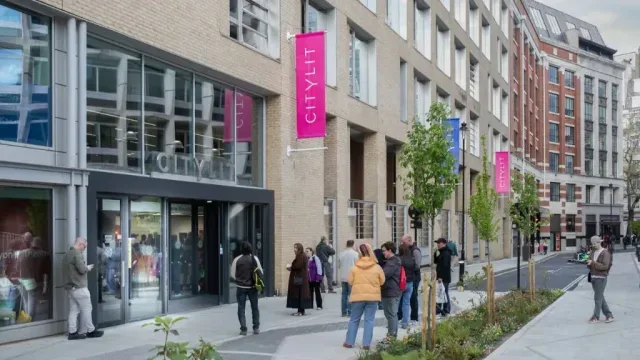
Keeley Street, Covent Garden
Other available dates
| Starts | Schedule | Length | Teacher | Venue | Price | |
|---|---|---|---|---|---|---|
11 Jan 2027 Mondays | 14:45 - 16:15 | Short course10 weeks | ChikakoNakagawa | Keeley StreetWC2B 4BA | £259.00 | Book now |
11 Jan 2027 Mondays | 19:35 - 21:05 | Short course10 weeks | ChikakoNakagawa | Keeley StreetWC2B 4BA | £259.00 | |
13 Jan 2027 Wednesdays | 18:00 - 19:30 | Short course10 weeks | JunkoFuse | Keeley StreetWC2B 4BA | £259.00 | |
14 Jan 2027 Thursdays | 19:35 - 21:05 | Short course10 weeks | JunkoFuse | Keeley StreetWC2B 4BA | £259.00 |
Mon 11 Jan, 19:35 - 21:05
10 weeks10 weeksMon 19:35£259ChikakoNakagawaKeeley StreetWed 13 Jan, 18:00 - 19:30
10 weeks10 weeksWed 18:00£259JunkoFuseKeeley StreetThu 14 Jan, 19:35 - 21:05
10 weeks10 weeksThu 19:35£259JunkoFuseKeeley Street