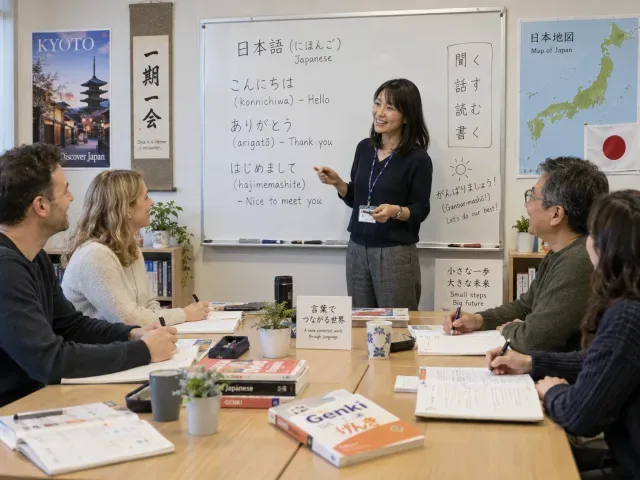
Japanese 2 lower: module 3

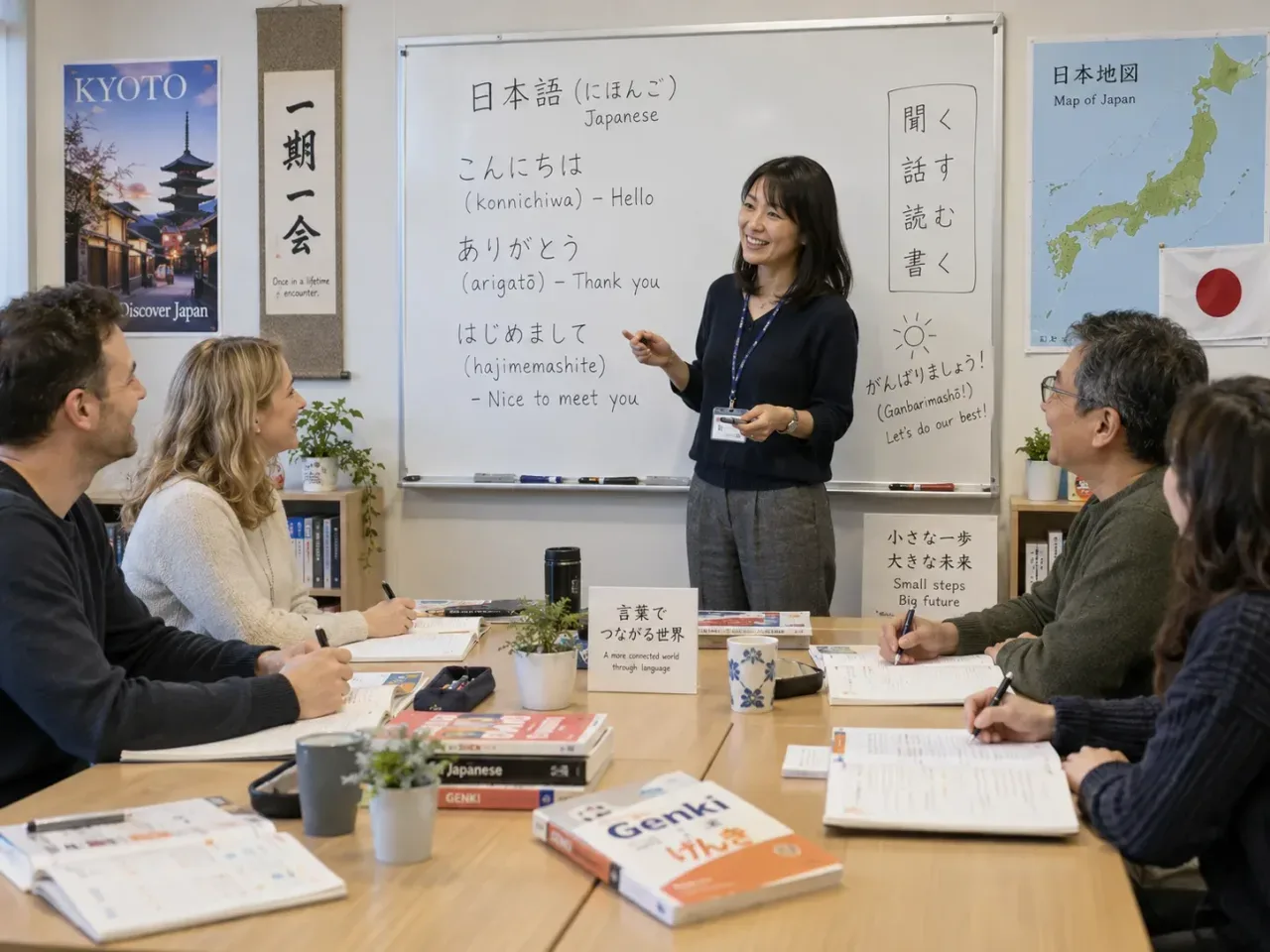

Elementary Japanese (A2) covering directions, travel arrangements, permissions and requests through spoken interaction and communication activities.
What Elementary (A2) Japanese means
At A2 Japanese, learners can handle simple routine exchanges and describe familiar aspects of everyday life.
Describe your routine
普段はバスで通勤し、六時に帰宅します。
I normally go to work by bus and return home at six.
Make a simple plan
土曜日の午後、映画を見に行きませんか。
Would you like to go to the cinema on Saturday afternoon?
Talk about the recent past
昨日は友達と夕食を食べてから、散歩しました。
Yesterday I had dinner with friends and then went for a walk.
These are general examples of language use at this level, not a description of any individual course syllabus.
About this course
This module extends Japanese for everyday communication through directions, travel arrangements, visits, permission and requests. Learners practise expressions including てください for giving directions, transportation verbs, てもいいですか for asking permission, time expressions, and recognising Kanji and compounds in context. Teaching combines spoken interaction with pair and group work, role plays, games, presentations, handouts and audio-visual material. Activities include discussing travel details, giving and understanding directions, and making or responding to requests. Homework is highly recommended to consolidate learning.
What you'll learn
- Give and understand directions, including directions given to a taxi driver
- Ask for permission and ask someone not to do something
- Grant or refuse permission and provide a reason
- Exchange information about travel arrangements, including travel times and length of stay
- Interpret Kanji and compounds in context
Is this course right for you?
The course is intended for learners continuing from Japanese 2 lower: module 2, or those with approaching two years of Japanese study. It involves spoken interaction, pair and group activities, role plays and games. Learners should be familiar with Hiragana and Katakana, able to follow simple instructions and read course documents in English, and comfortable using everyday numbers.
- Previous Japanese study at the stated level is expected
- Familiarity with Hiragana and Katakana is needed
- Learners need to respond to simple instructions and read course documents in English
- Everyday number use includes activities such as handling money and telling the time
Before you go
- Course materials are based on the tutor's own material; a book may be recommended.
Class teacher
Hisaka Bunting
Class teacher
Where this course runs
Upcoming classes
1 class
Selected date
Fri 15 Jan 2027
12:45 – 14:15 • 10 weeks
£259
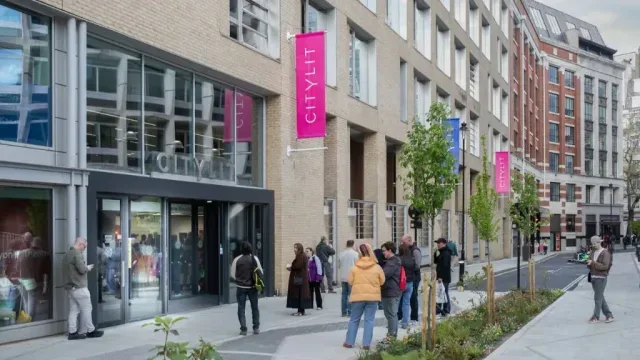
Keeley Street, Covent Garden