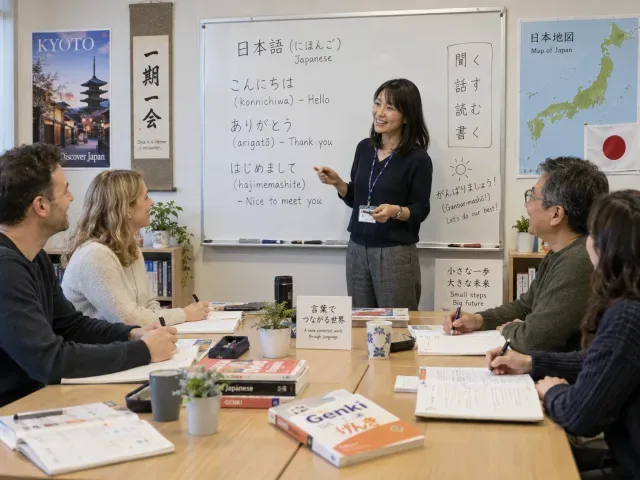
Japanese 3 upper: module 2

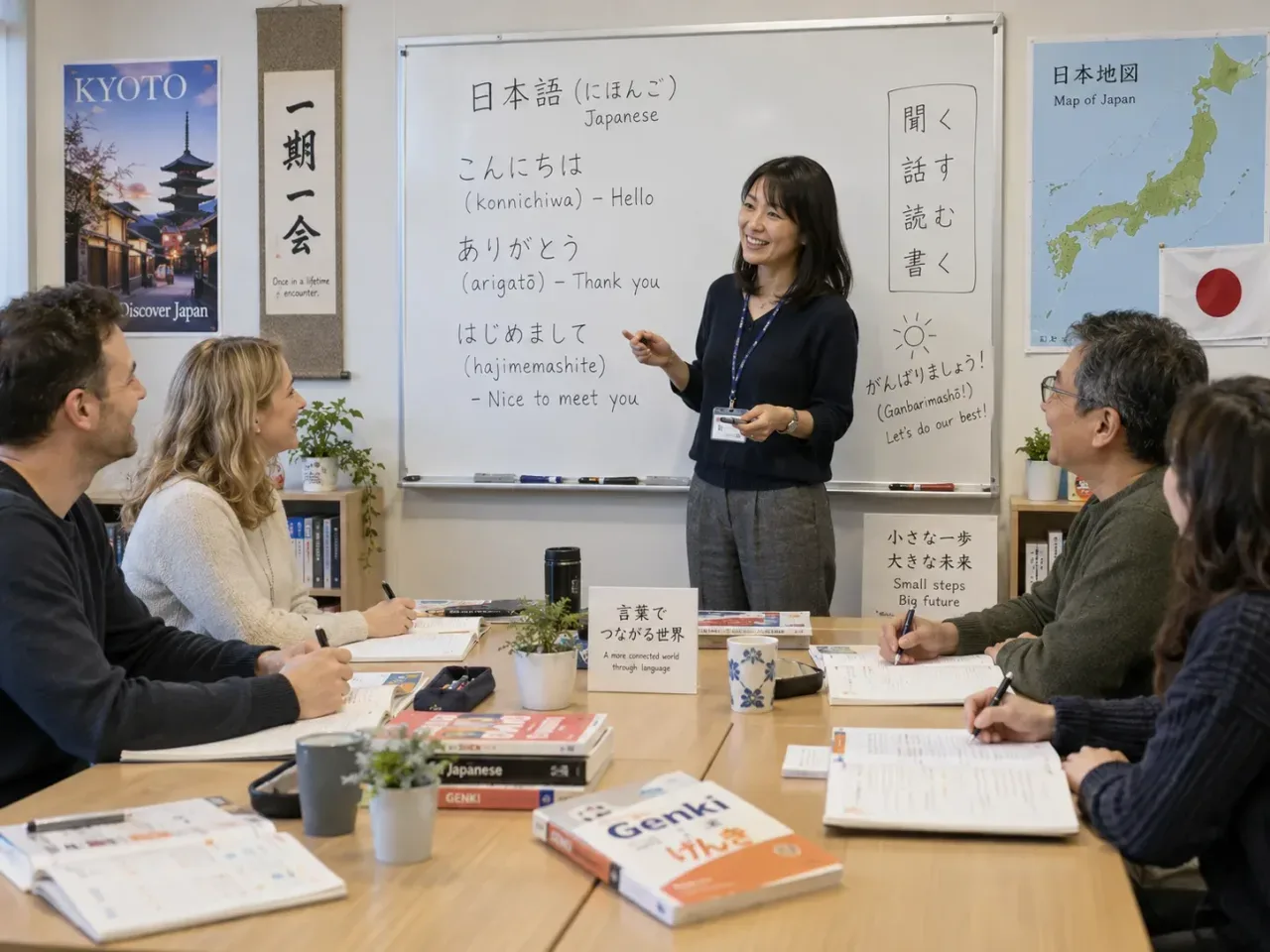

Upper-intermediate Japanese course developing speaking, listening, reading and writing through interactive lessons and cultural content.
What Upper Intermediate (B2) Japanese means
At B2 Japanese, learners can communicate fluently on concrete and abstract topics, develop arguments and respond in detail.
Support a viewpoint
この施策には初期費用がかかりますが、長期的には地域全体の利益につながるでしょう。
Although the measure would have an initial cost, it would benefit the whole community in the long term.
Discuss an abstract issue
技術はコミュニケーションを容易にする一方で、プライバシーに関する懸念も生じます。
Technology makes communication easier, but it also creates concerns about privacy.
Negotiate a solution
締め切りを一週間延ばせば、質を落とさずに予算を守れます。
If we extend the deadline by a week, we can keep the budget without reducing quality.
These are general examples of language use at this level, not a description of any individual course syllabus.
About this course
The course develops communication in everyday situations, with particular emphasis on speaking and listening. Lessons combine pair and group activities, role plays, realia, pictures, authentic materials and audio-visual resources where appropriate. Participants work with Japanese grammar including the volitional form, te-form, indirect questions using ka/kadooka, and -shi for linking reasons or explanations. Reading and writing practice covers articles, longer paragraphs, Kana and additional Kanji. Cultural content explores Japan, its culture and contemporary society.
What you'll learn
- Express intentions, thoughts and suggestions in Japanese
- Explain feelings, circumstances and how an action is carried out
- Ask indirect questions using ka/kadooka
- Link related reasons, excuses or thoughts using -shi
- Read articles with greater fluency and write longer paragraphs using Kana and Kanji
Is this course right for you?
This course is intended for upper-intermediate learners who have completed Japanese 3 upper: module 1 or studied Japanese for about four years. Learners should be fluent in Hiragana and Katakana and have some basic Kanji knowledge. Lessons involve active interaction, pair and group work and role plays.
- Previous Japanese study of about four years is indicated
- Fluency in Hiragana and Katakana is expected
- Some basic knowledge of Kanji is indicated
- Participation includes pair work, group work and role plays
Before you go
- The course is based on the tutor's own materials.
- The tutor might recommend a book.
Class teacher
Taeko Harvey
Class teacher
Where this course runs
Upcoming classes
1 class
Selected date
Wed 13 Jan 2027
18:00 – 19:30 • 10 weeks
£259
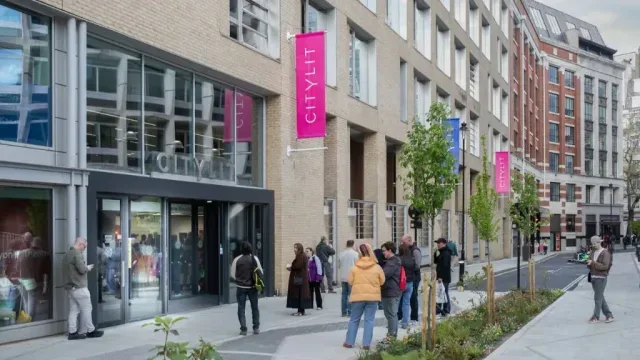
Keeley Street, Covent Garden