
Jazz harmony, ear training and ensembles: intermediate



Intermediate jazz course combining harmony, ear training, improvisation, singing and ensemble playing.
About this course
The course examines how melodies, chord progressions and functional harmony operate in jazz. Teaching combines lecture-style theory with listening, singing, ear-training exercises, written assignments and practical playing. Topics include chord functions, Roman numeral analysis, chord-scale relationships, tensions, modal harmony, voice-leading, secondary dominants, diminished harmony and minor-key modes. Participants study jazz standards and play tunes in swing, funk and Latin feels, alongside improvisation, vocal improvisation, performance and small-ensemble practice. Repertoire includes blues, standards and modal pieces.
What you'll learn
- Recognise and reproduce intervals, chord types and chord extensions by ear.
- Transcribe melodies and bass lines through structured ear training.
- Analyse common jazz standards using chord functions, Roman numerals and chord-scale choices.
- Apply voice-leading, secondary dominants, tritone substitution and modal harmony in jazz contexts.
- Play and improvise on study tunes by ear, from memory and from chord symbols.
- Perform, sing and improvise within a jazz ensemble.
Is this course right for you?
This course is intended for intermediate musicians with a good working knowledge of harmony, strong music-reading skills and proficiency on an instrument. Entry involves a harmony and aural test plus a recording of the applicant’s playing. Previous jazz experience is advantageous, and participants should be prepared for ensemble playing, singing and performance work.
- Entry is by audition, including harmony and aural testing.
- Applicants submit a recording of their playing.
- Pianists and guitarists are recommended to complete jazz instrumental courses before joining this level.
- The course includes group playing, singing, vocal improvisation and performance.
Before you go
- No book is mandatory, although supplementary jazz books or internet research may be suggested.
- Additional learning resources are available through Google Classroom.
Class teacher
Cerys Hogg
Class teacher
Where this course runs
Upcoming classes
1 class
Selected date
Tue 12 Jan 2027
10:45 – 15:45 • 10 weeks
£479
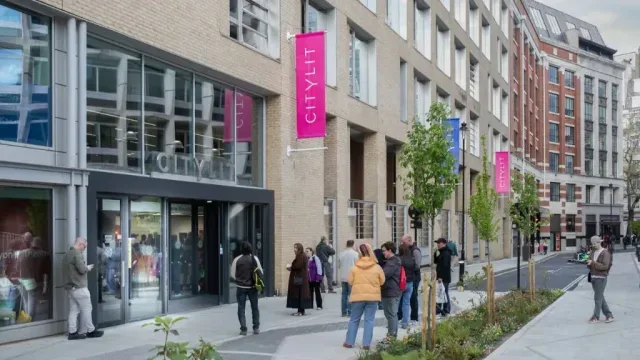
Keeley Street, Covent Garden