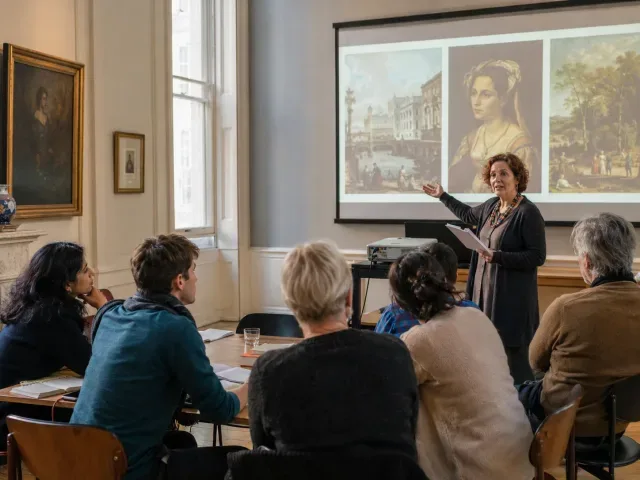
Modern art: movements 1900-1940

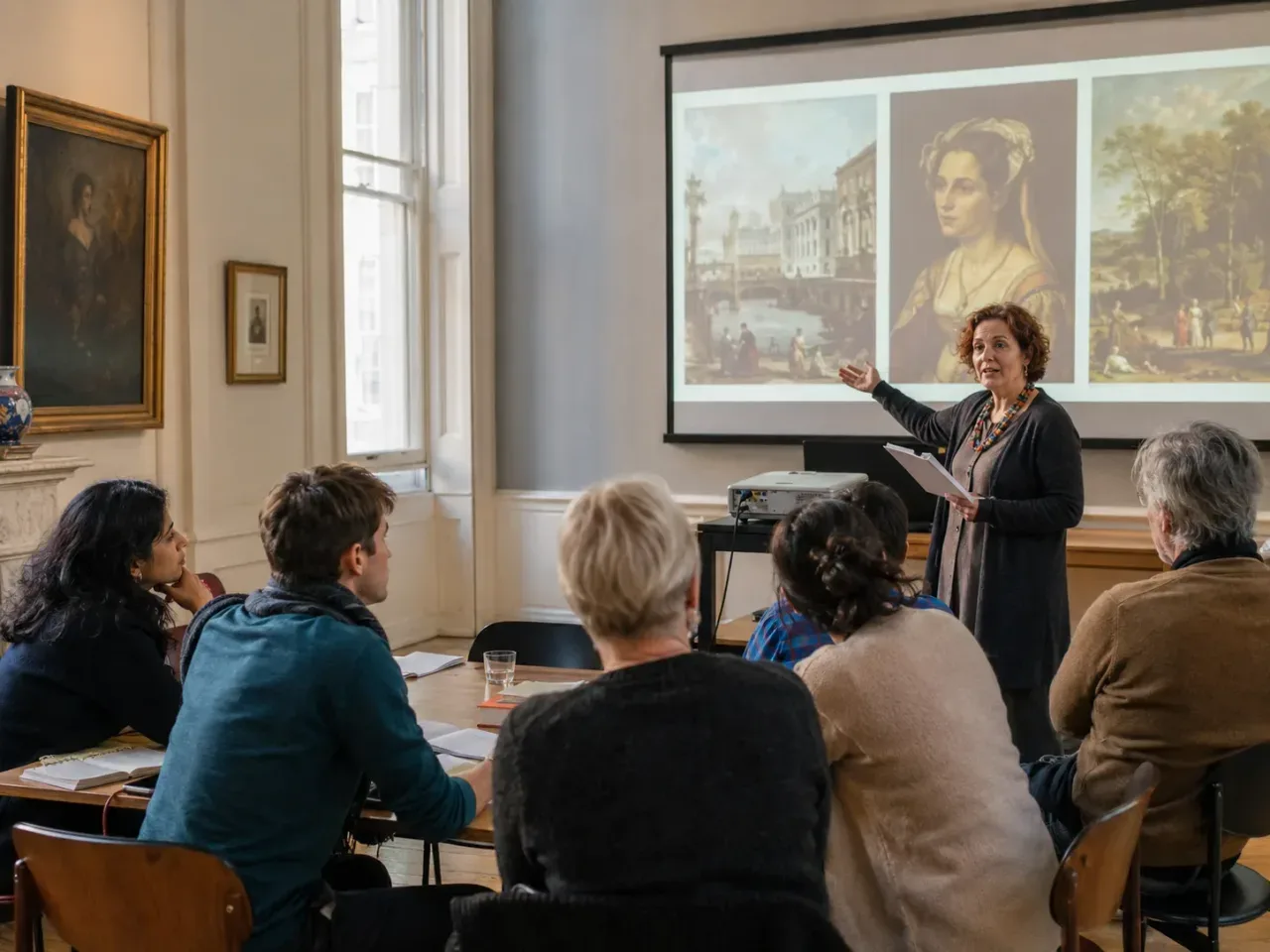

A lecture- and discussion-based survey of major modern art movements from 1900 to 1940, open to learners at all levels.
About this course
This course examines how modern art developed alongside technological change, political revolution, colonialism and war. It covers movements including Fauvism, Expressionism, Cubism, Futurism, Vorticism, Dada, Surrealism, Suprematism, Constructivism, De Stijl, New Objectivity, the Bauhaus and Art Deco, with attention to design and architecture as well as painting and other visual arts. Teaching combines lectures, slide presentations and group discussions. The emphasis is on identifying and interpreting movements and their social contexts rather than studying artists’ biographies. The course also considers the effects of photography and the responses of artists to the First and Second World Wars.
What you'll learn
- Recognise different styles and types of modern art
- Describe modern artworks and formulate an informed personal response
- Interpret and experience abstract, or non-objective, art
- Explain how socio-cultural contexts shaped early twentieth-century European and North American modern art
Is this course right for you?
The course is open to all levels and no prior knowledge of art history is required, making it suitable for complete beginners as well as learners with existing interest in the subject. Participation involves listening to lectures, contributing to group discussions and following written and verbal instructions.
- Includes images of wounded soldiers, battlefield deaths and Holocaust victims in their historical context
- Requires willingness to access supplemental documents through Google Classroom
Before you go
- Supplemental documents are shared through Google Classroom rather than emailed or printed; required handouts are printed.
- PowerPoint slides are not shared.
- A notebook may be brought if desired.
Class teacher
Sarah Jaffray
Class teacher
Where this course runs
Upcoming classes
1 class
Selected date
Fri 15 Jan 2027
13:30 – 16:00 • 8 weeks
£279
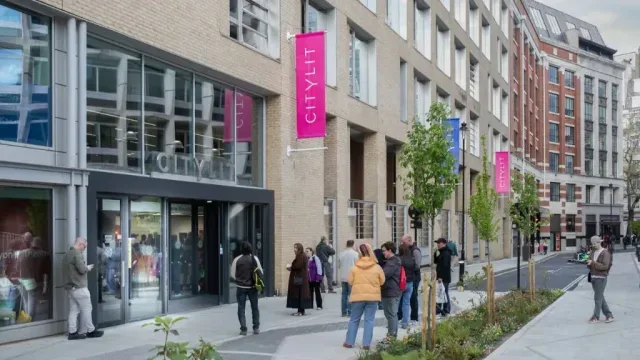
Keeley Street, Covent Garden