Nordic modernism: 1880-1925


An all-levels art history course examining Nordic painting, prints and visual culture from 1880 to 1925.
About this course
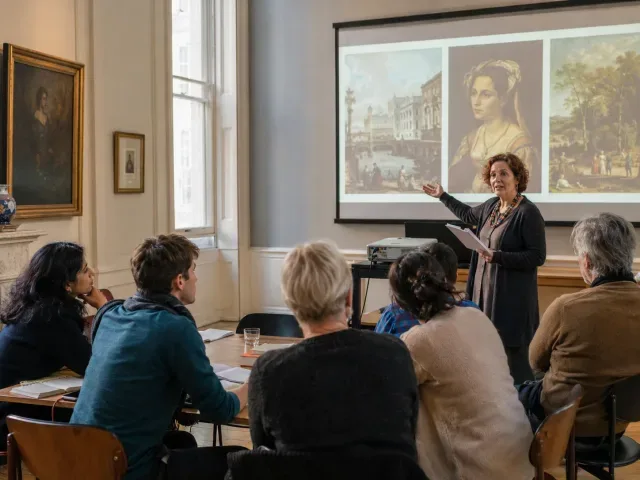
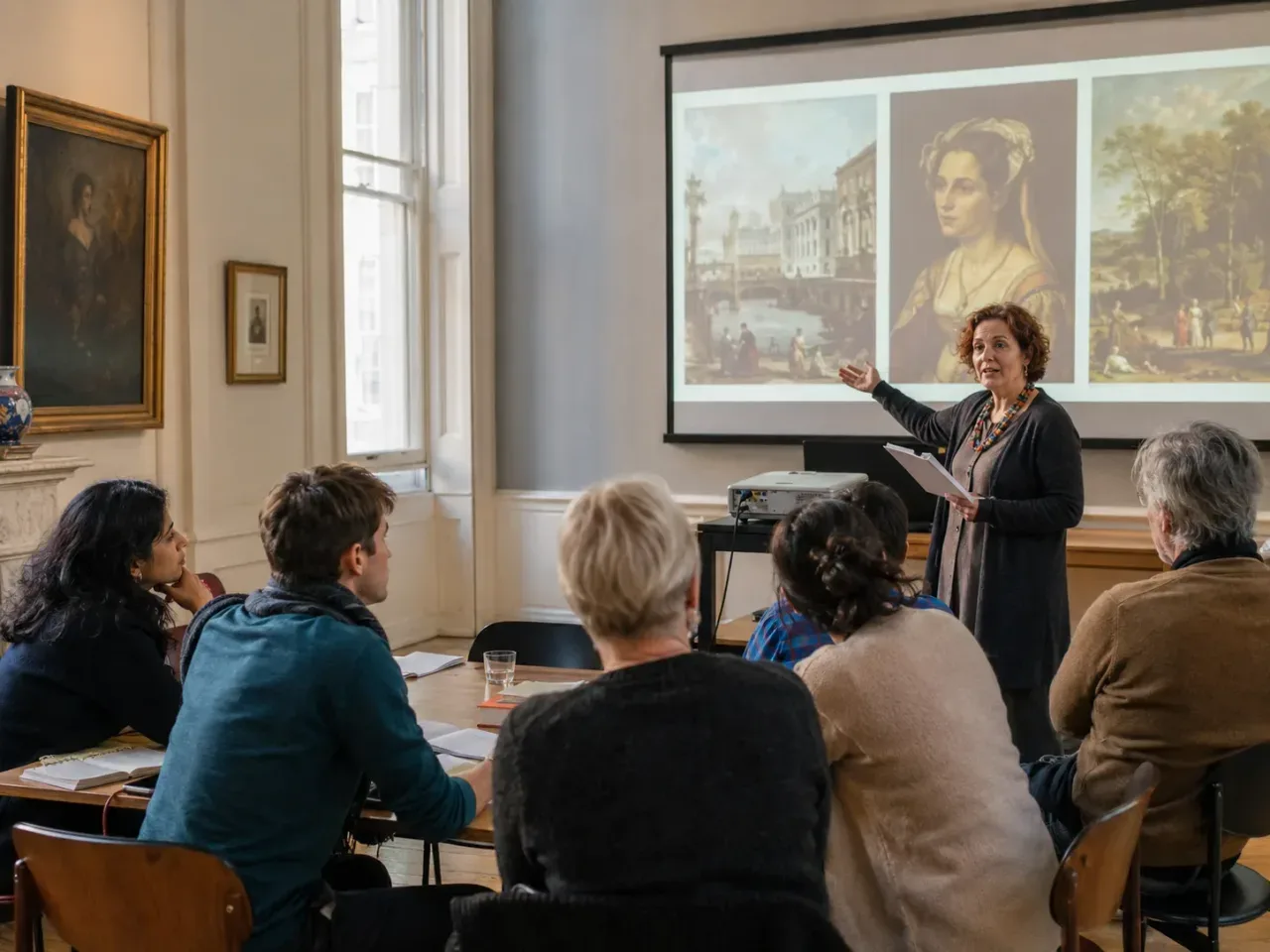
The course examines how artists across Denmark, Finland, Norway, Sweden and Iceland responded to modern life, nature, national identity and emotion between 1880 and 1925. It considers movements including Impressionism, Symbolism, Fauvism, Expressionism and Cubism through artists such as Edvard Munch, Akseli Gallen-Kallela, Helene Schjerfbeck and Þórarinn B. Þorláksson. Teaching uses slide presentations and group discussions. Alongside individual artists and works, the course considers exchanges between Nordic countries and the wider European art world, including questions about Nordic specificity and the centre-periphery model of art history.
What you'll learn
- Identify and contextualise key Nordic artists working between 1880 and 1925.
- Recognise and discuss significant works of Nordic art from the period.
- Explain how landscape, national identity and emotion shaped Nordic responses to modern art.
- Analyse connections between Nordic art and developments elsewhere in Europe.
- Reflect on the ideas of centre and periphery in the writing and teaching of art history.
Is this course right for you?
The course is intended for learners at all levels. Participants should be able to follow simple written and verbal instructions, demonstrations and hand-outs. Teaching includes slide presentations and group discussions, making it suitable for those prepared to learn through visual material and shared discussion.
- Following simple written and verbal instructions is expected.
Before you go
- A notebook may be useful for taking notes.
- Books from any provided reading list may be purchased if desired.
Class teacher
Caroline Levisse
Class teacher
Where this course runs
Upcoming classes
1 class
Selected date
Thu 5 Nov 2026
13:30 – 15:30 • 5 weeks
£159
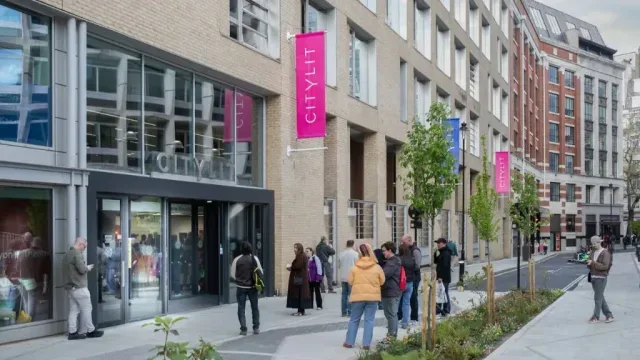
Keeley Street, Covent Garden