On poverty


An all-levels session examining how poverty is measured, the policies used to address it and possible future approaches.
About this course
The session examines poverty through different statistical measures, including the distinction between relative and absolute poverty. It then compares approaches used over the past two centuries, from industrial capitalism and socialist planning to development strategies in India, Brazil and China, the Washington Consensus and microcredit. A presentation and slides introduce the subject, while class discussion assesses each policy’s aims and observable results. The session also considers whether the gap between richer and poorer countries can be reduced, and the human and environmental costs involved.
What you'll learn
- Distinguish between relative and absolute measures of poverty
- Compare major economic and development policies intended to reduce poverty
- Assess policy objectives against their observable outcomes
- Discuss the economic, human and environmental questions surrounding global inequality
Is this course right for you?
This stand-alone session is intended for learners at all levels, including those without prior knowledge of the subject. Key concepts are explained as needed, and participation combines listening to a presentation with class discussion.
- No prior knowledge of poverty or economics is expected
Before you go
- There is nothing to buy or bring to the classroom.
Class teacher
Christian Michel
Class teacher
Where this course runs
Upcoming classes
1 class
Selected date
Sun 14 Mar 2027
10:30 – 16:30 • 1 day
£89
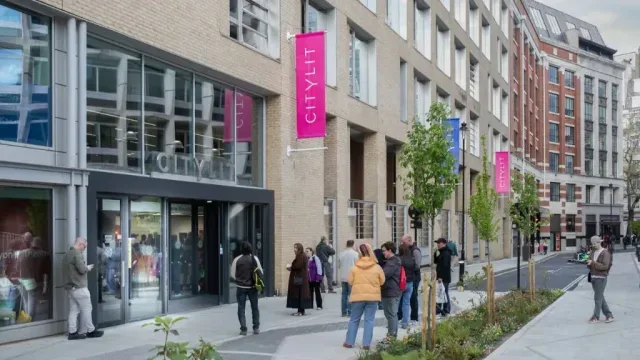
Keeley Street, Covent Garden