
Pan-Africanism: The Pan-African Conferences, 1900-1945


A beginner-level history course examining Pan-African conferences, political debates and anti-colonial ideas between 1900 and 1945.
About this course
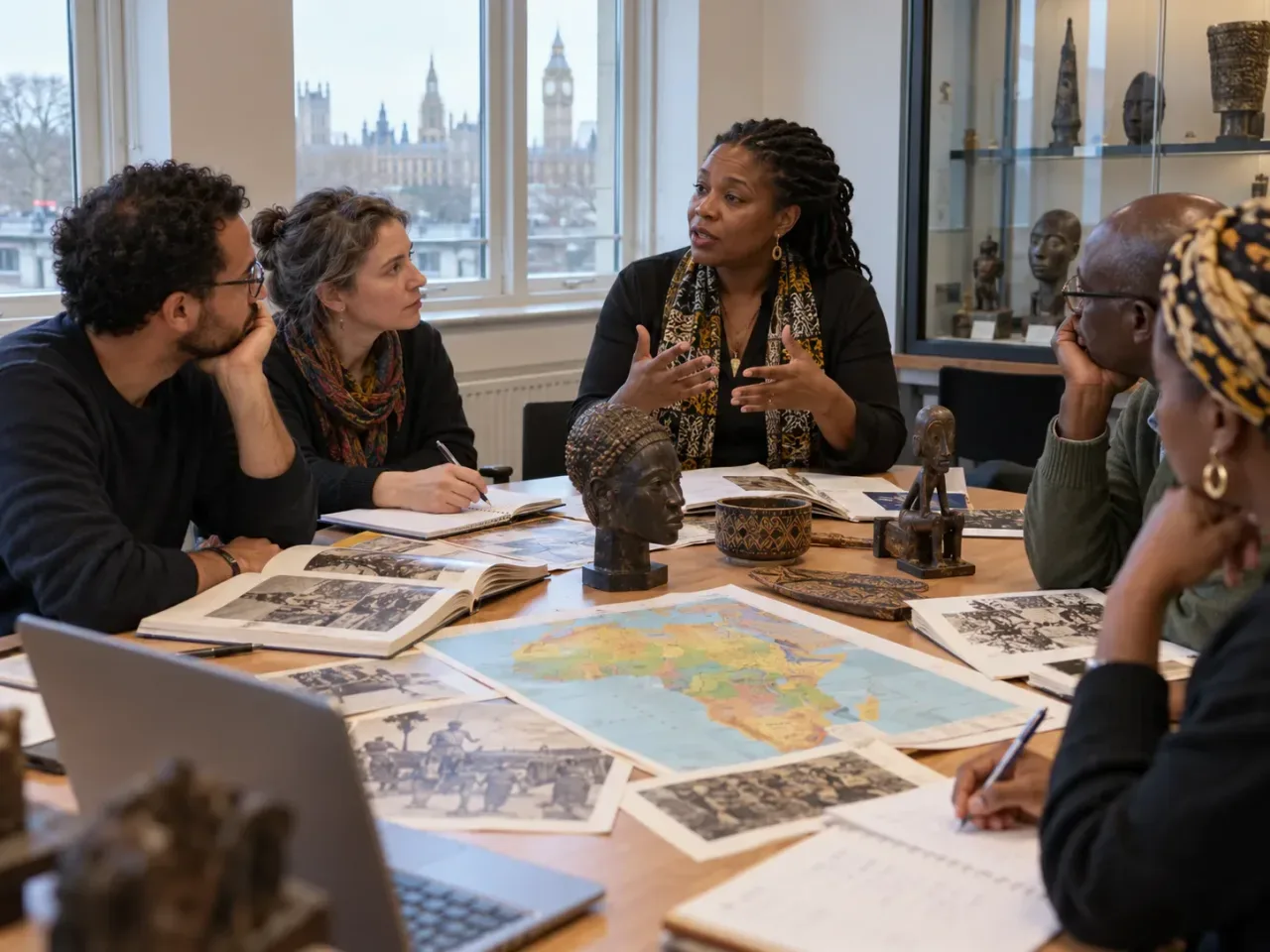
The course follows the development of Pan-Africanism from its nineteenth-century foundations through the 1900 conference, the congresses of 1919 to 1923, the 1927 gathering and the 1945 Manchester Congress. It considers the contributions of figures including W. E. B. Du Bois and Kwame Nkrumah, alongside debates about unity, colonial rule, political rights and self-determination. Teaching combines short lectures with discussion and collaborative analysis of primary and secondary sources, including maps, photographs, diary entries and extracts from historical writing.
What you'll learn
- Explain the historical development, aims and organisation of the Pan-African Conferences and Congresses from 1900 to 1945
- Analyse how the gatherings supported political organisation, debate and collaboration
- Compare ideological positions and strategies associated with activists from Africa, the Caribbean and the United States
- Evaluate the contributions of W. E. B. Du Bois and Kwame Nkrumah
- Assess connections between Pan-Africanism, anti-colonial movements and later independence campaigns
- Interpret historical evidence and construct clear, critical arguments using different perspectives
Is this course right for you?
The course is intended for complete beginners and people curious about the subject. Participation involves listening to short lectures, discussing ideas and working collaboratively with others to examine historical sources. No formal homework is required, although learners may choose to read or reflect between sessions.
- Suitable for learners without previous study of the topic
- Includes discussion and group-based source analysis
- Optional further reading or reflection is available between sessions
Before you go
- Pen and paper may be brought for note-taking, but this is optional.
Class teacher
Apeike Umolu
Class teacher
Where this course runs
Upcoming classes
1 class
Selected date
Fri 23 Oct 2026
10:30 – 16:30 • 1 day
£79
Keeley Street, Covent Garden
Similar beginner history courses
History
African Economic History: Gold, Diamonds, and Social Transformation in Southern Africa, 1900-1990
City Lit
History
East and Central African history - a brief introduction
City Lit
History
The life and times of Ignatius Sancho: born into enslavement, composer, man of letters, grocer and first Black British voter
City Lit