
Philosophy and near-death experience: what can we know?



An introductory, in-person course examining near-death experiences through philosophical questions about knowledge, consciousness, reality and the limits of science.
About this course
The course considers what constitutes a near-death experience, how reports vary across cultures and what knowledge claims can reasonably be made about them. Participants examine theories of consciousness, arguments for and against dualism, and philosophical and theological interpretations of NDEs in relation to the possibility of an afterlife. Discussion also explores subjective experience, objective reality, perceptions of time and the role and limits of scientific investigation. The course is taught in person through philosophical consideration and debate, with contemporary scientific and medical findings introduced as part of the discussion.
What you'll learn
- Analyse claims to knowledge made by people reporting near-death experiences.
- Compare arguments for and against dualism in relation to consciousness and the physical body.
- Examine philosophical and theological interpretations of NDEs as evidence concerning an afterlife.
- Discuss how subjectivity, perceptions of time and scientific limits affect interpretations of near-death experiences.
Is this course right for you?
This introductory course is intended for learners with no prior study of the subject. Participation involves listening to and considering views that may differ from one’s own, as well as discussing an emotive and potentially sensitive topic. It is an educational philosophy course rather than counselling or psychological support.
- The subject may be emotionally sensitive for some participants.
- No work outside the class is required.
- The course is not intended to provide counselling or psychological support.
Before you go
- Participants may wish to take notes.
- A recommended reading list will be provided at the end of the course.
Class teacher
Edgar Ter-Danielyan
Class teacher
Where this course runs
Upcoming classes
1 class
Selected date
Sat 6 Mar 2027
10:30 – 16:30 • 1 day
£79
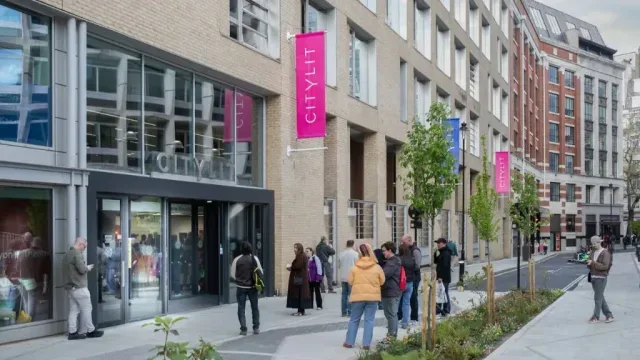
Keeley Street, Covent Garden