
Philosophy: Ordinary Language Philosophy -Wittgenstein, Austin, Ryle


An all-levels course examining Ordinary Language Philosophy through Wittgenstein, Austin and Ryle, using presentations, readings, discussion and language analysis.
About this course
The course introduces Ordinary Language Philosophy and its challenge to abstract philosophical systems. It examines Wittgenstein’s ideas of language games, forms of life and meaning as use, Austin’s account of speech acts, and Ryle’s critique of Cartesian dualism and category mistakes. Sessions combine tutor presentations with selected philosophical readings, group discussion and analysis of everyday conversations and expressions. The course also considers how ordinary-language approaches relate to contemporary debates in philosophy, linguistics and artificial intelligence, before reviewing whether analysing language can resolve philosophical problems.
What you'll learn
- Explain key ideas in the later philosophy of Ludwig Wittgenstein, including language games, forms of life and meaning as use
- Analyse how speech acts such as promises, apologies and commands function in everyday communication
- Describe Gilbert Ryle’s critique of Cartesian dualism and the concept of a category mistake
- Use examples of ordinary language to examine philosophical problems and conceptual confusion
- Assess the significance of Ordinary Language Philosophy within twentieth-century philosophy
Is this course right for you?
The course is labelled All Levels and is intended for learners approaching Ordinary Language Philosophy at different stages. Sessions involve reading selected extracts, discussing philosophical questions and analysing familiar examples of language. Learners are encouraged to contribute their own examples, question assumptions and develop their own viewpoints.
- Participation includes discussion and consideration of different philosophical viewpoints
- Learners are invited to contribute examples from everyday language and communication
Where this course runs
- Selected class
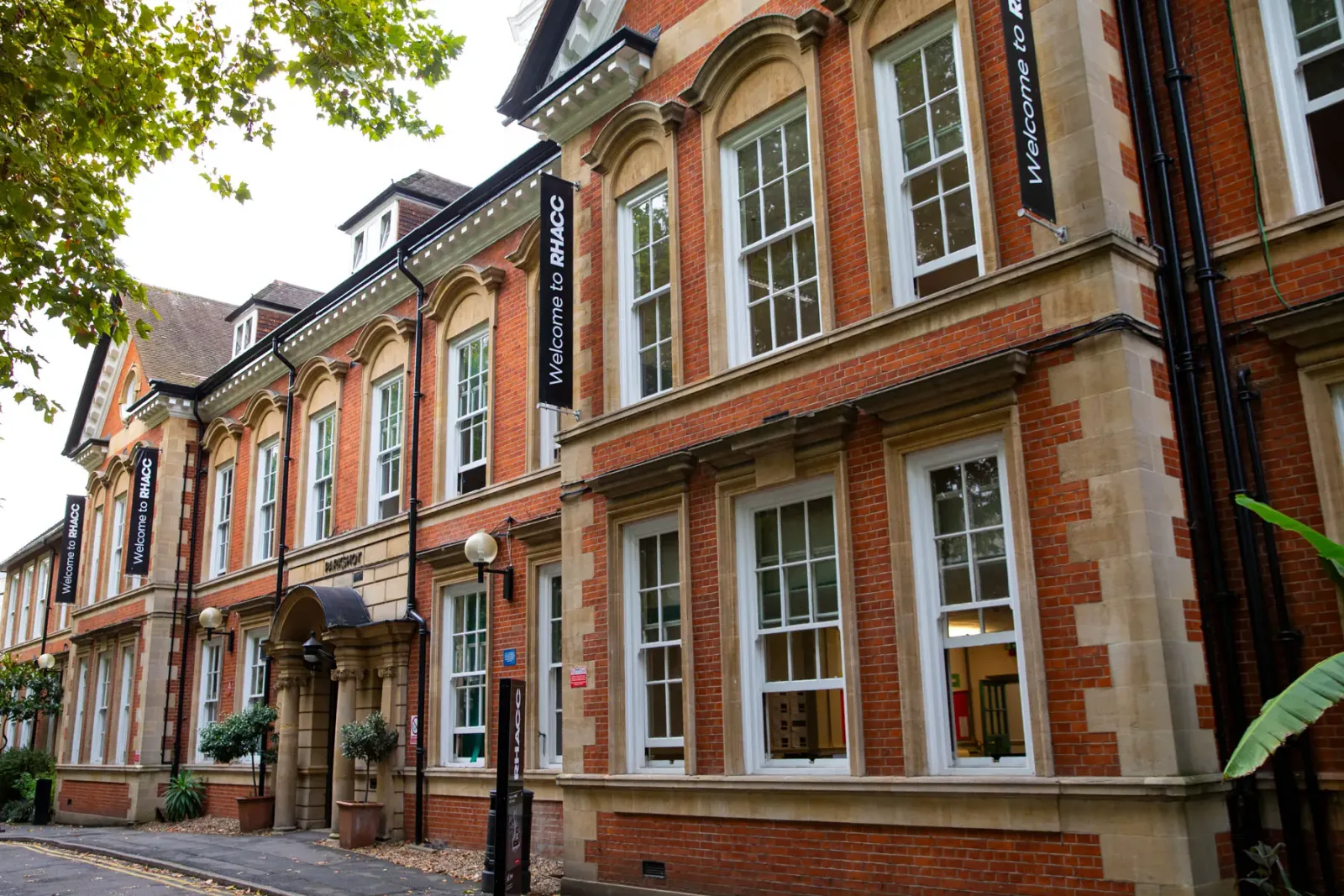
Parkshot, Richmond upon Thames, London TW9 2RE
Richmond upon Thames, London TW9 2RE
Nearest station: Richmond
View venue details ›
Upcoming classes
1 class
Selected date
Tue 27 Apr 2027
11:00 – 13:00 • 10 weeks
£198
Parkshot, Richmond
Philosophy team
Book this class →