Photography: dramatic lighting

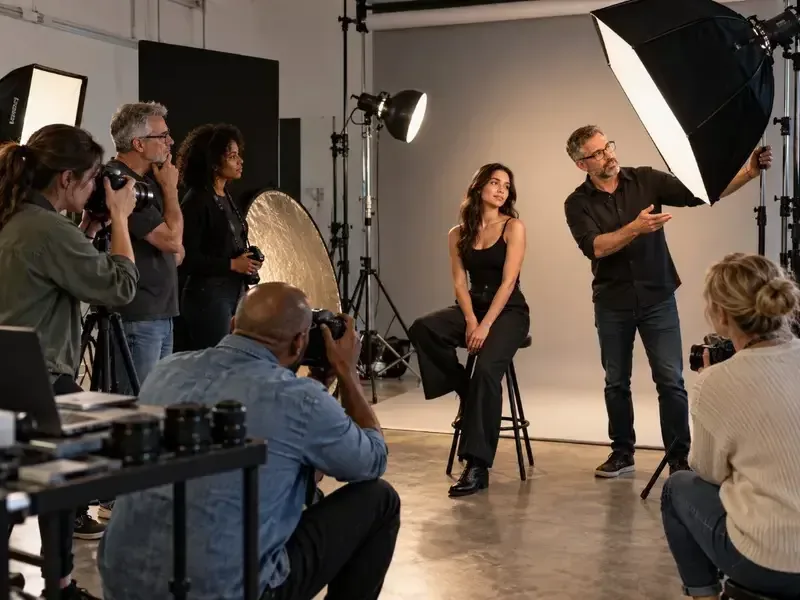

An intermediate photography course exploring dramatic studio lighting, composition, art direction and painterly editing through demonstrations and practical group work.
About this course
The course examines how old master paintings and photographs use light, composition, narrative and symbolism, then applies these ideas to contemporary image-making. Participants will work with posing, props, colour, texture, shadows and atmosphere while developing their own compositions rather than copying historical works. Teaching combines demonstrations, small-group practical exercises, individual and group guidance, hand-outs and reflection on progress. Topics include light quality and direction, studio lighting, manual exposure, directing people and editing digital photographs in a painterly style.
What you'll learn
- Apply manual exposure settings when working with studio lighting
- Assess light quality and direction, then adapt these approaches in contemporary photographs
- Use colour, texture and shadows to construct photographic compositions
- Direct people and select props to support an image’s narrative
- Explore symbolism in historical artworks as a reference for art direction and composition
- Edit digital images using a painterly style
Is this course right for you?
This intermediate course is intended for learners who already know their camera’s manual exposure controls. Participation includes practical group activities, discussion and individual work, alongside following demonstrations, written guidance and health and safety information.
- Learners should be able to follow simple written and verbal instructions
- The course involves group activities and discussion
- Basic numbers, measurements and calculations are used
Before you go
- Participants must bring objects and props for their compositions and are expected to share them with their teams.
- A camera may be brought if available. Digital SLR and mirrorless cameras, lenses, tripods and studio lighting are available for use during taught hours.
- A notebook and pen may be useful.
- A memory stick or portable hard drive may be useful for storing work.
- Learners should log in to Google Classroom before the first class. It is used to share comments, access course materials and upload images for discussion.
Class teacher
Ed Gregory
Class teacher
Where this course runs
Upcoming classes
1 class
Selected date
Fri 15 Jan 2027
18:00 – 21:00 • 5 weeks
£259
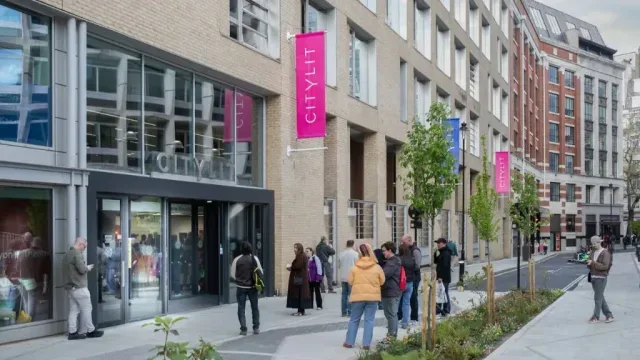
Keeley Street, Covent Garden