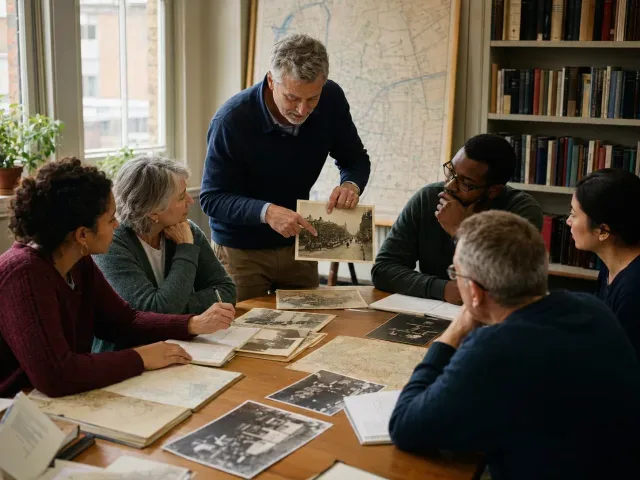
Post-war German history : 1945-1961

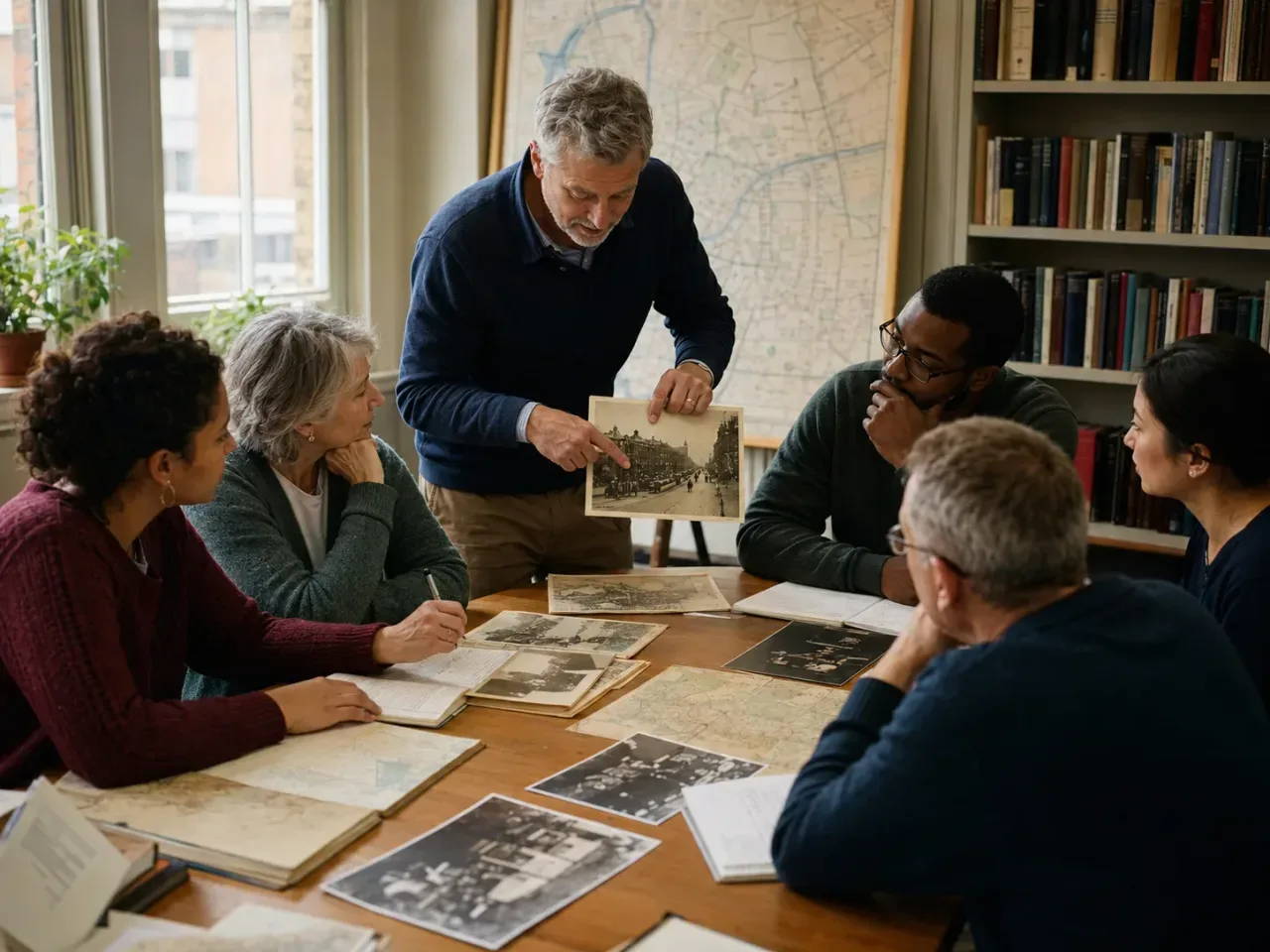

An all-levels course examining how post-war occupation, Cold War tensions and social change divided Germany into two states by 1961.
About this course
The course traces Germany’s development from the Allied settlement and the Potsdam Conference through reconstruction, the emergence of the Cold War and the creation of two politically opposed German states. It considers political, economic, social and moral change, including coming to terms with the Nazi past, developments in East and West Germany, remilitarisation and the Berlin crises that culminated in the Wall’s construction. Teaching combines interactive lectures with class discussion and debate. National events are considered alongside international pressures, key individuals and the experiences of people living through the period.
What you'll learn
- Explain key causes and consequences of the Cold War in Germany.
- Identify significant stages, features and leading personalities in post-war German history.
- Describe reasons for the political, social, economic and cultural divergence of East and West Germany.
- Assess continuing arguments and controversies surrounding Germany’s division.
Is this course right for you?
Designed for interested learners from all backgrounds, this all-levels course does not require German language knowledge or other special skills. Participation involves respectful contribution to class discussion and debate, with an open-minded approach to competing interpretations.
- No knowledge of German is required.
- Suitable for learners from all backgrounds.
- Includes discussion and debate as well as interactive lectures.
Before you go
- Students do not need to bring equipment or materials.
Class teacher
Rudolf Muhs
Class teacher
Where this course runs
Upcoming classes
1 class
Selected date
Fri 15 Jan 2027
15:00 – 17:00 • 10 weeks
£279
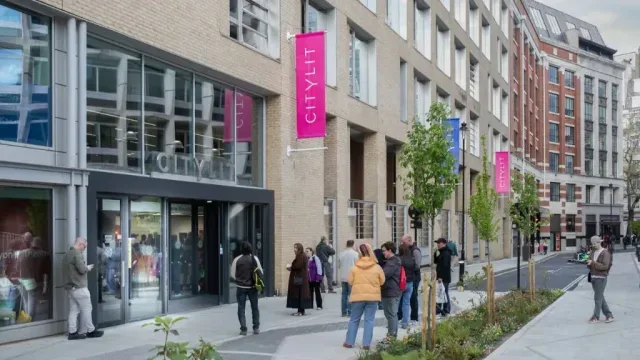
Keeley Street, Covent Garden