
Props till you drop II



An all-levels prop-making course covering sculpting, mould making, casting, fabrication and paint effects through demonstrations and guided practical work.
About this course
Participants explore materials and processes used in prop making, translating their own ideas into three-dimensional forms. The course covers model making in water- and oil-based clay, timed sculpting exercises, silicone and plaster moulds, casting in several materials, thermal plastics, stamps, textures and paint finishes. Teaching combines demonstrations, presentations, peer discussions and one-to-one tutorials. Learners can work through both quick and extended sculpting exercises, with tasks adapted to their experience and interests. Independent research may also inform the practical work.
What you'll learn
- Distinguish between water-based and oil-based clays and use them for model making.
- Apply sculpting techniques within short and extended working periods.
- Make one- and two-piece silicone moulds and one-piece plaster moulds.
- Cast forms using Jesmonite, plaster, latex and foam.
- Experiment with silicone stamps, textures and thermal plastics.
- Apply paint and textured finishes to props.
Is this course right for you?
The course is open to complete beginners and learners with previous prop-making experience. Beginners receive tailored tasks, while more experienced participants can develop their knowledge of materials, modelling and sculpting techniques. Teaching includes demonstrations, group discussion and individual tutorials.
- No previous prop-making course is required.
- Independent research may be helpful alongside class work.
- The course includes peer discussion as well as one-to-one tuition.
Before you go
- All essential materials and equipment are provided.
- Bring a sketchbook, pencils and a pen for sketching and note-taking. A camera or smartphone is useful for documenting work in progress.
- Wear sturdy, closed-toe shoes. Old clothes or overalls are recommended because some materials may stain or damage fabric.
- Personal protective equipment is provided and must be worn where required.
Class teacher
Wendy Chandler
Class teacher
Where this course runs
Upcoming classes
1 class
Selected date
Sat 16 Jan 2027
10:30 – 16:30 • 10 weeks
£809
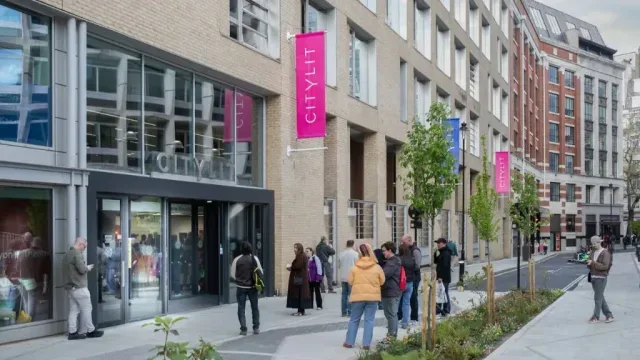
Keeley Street, Covent Garden