
Props till you drop III
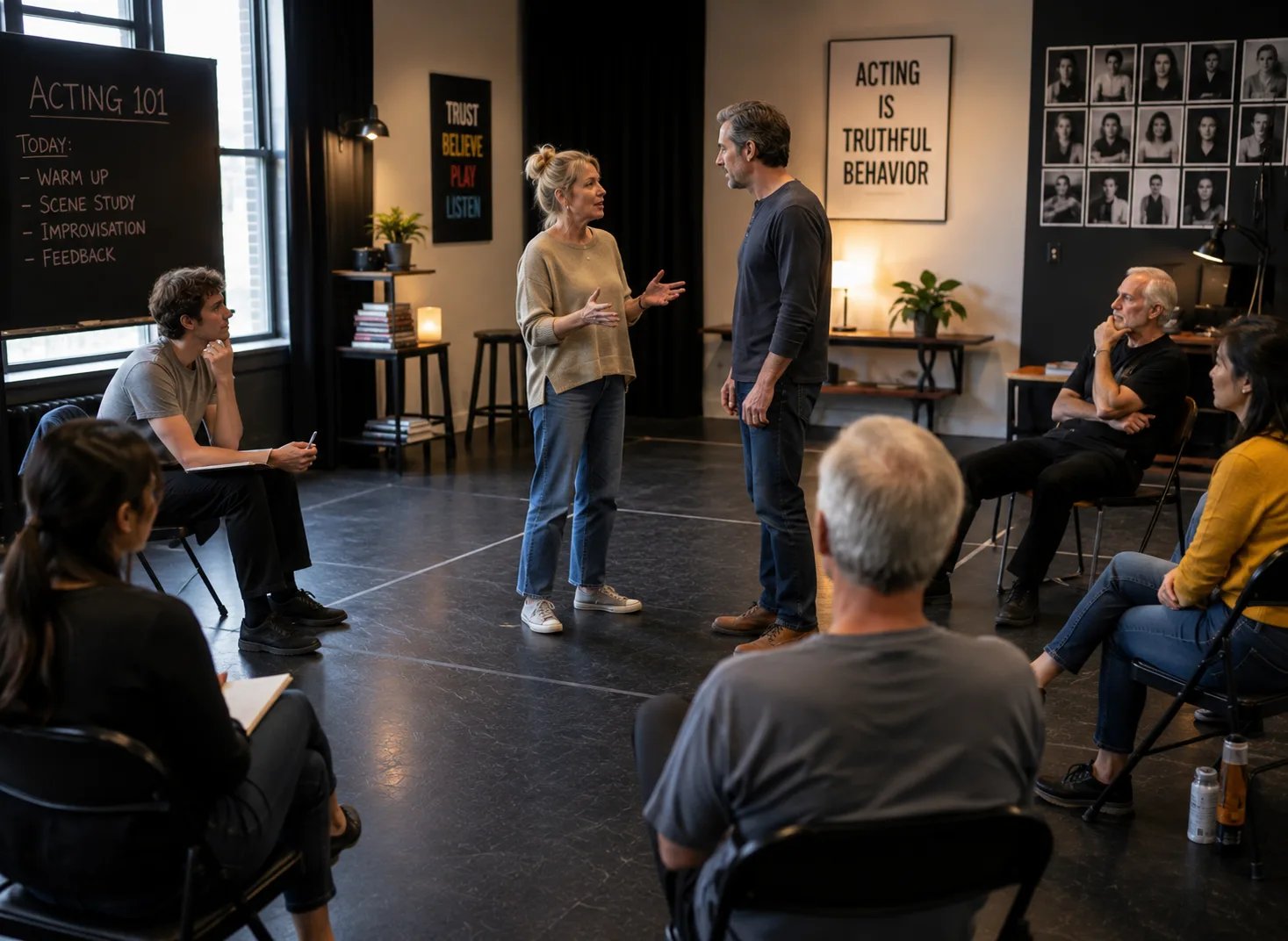

An all-levels prop-making course using client briefs, design development and practical three-dimensional techniques, with individual and collaborative project work.
About this course
Participants respond to hypothetical client briefs by researching, developing designs and turning concepts into three-dimensional outcomes. The course introduces scale, planning, sculpting, carving, mould making, casting, fabrication and paint effects, with techniques selected to suit each design. Teaching combines demonstrations, group discussion, one-to-one tutorials and opportunities for individual or collaborative development. Projects are planned and completed to deadlines, while examples of relevant work and information about progression routes provide context for prop-making practice.
What you'll learn
- Interpret a prop-making brief and use research to inform design development.
- Develop a concept from drawings into a three-dimensional outcome at an appropriate scale.
- Select and plan suitable techniques and processes for a proposed prop.
- Sculpt, carve, mould, cast and fabricate using relevant materials and processes.
- Apply paint effects and finishes to achieve a required result.
Is this course right for you?
The course is open to all levels, including complete beginners and learners who have previously taken prop-making courses. It accommodates both individual development and collaboration, with group discussion, one-to-one tutorials and tutor demonstrations forming part of the learning.
- No previous course or experience is required.
- Projects may be developed individually or collaboratively where appropriate.
- There are optional opportunities to develop work outside class.
Before you go
- Essential materials and equipment are included in the course fee.
- Bring a sketchbook, pencils and a pen for sketching and note-taking.
- A camera or smartphone can be used to document work in progress.
- Sturdy closed-toe shoes are required. Old clothes or overalls are recommended because some materials may stain or damage fabric.
- Personal protective equipment is provided and must be worn where required.
Class teacher
Wendy Chandler
Class teacher
Where this course runs
At a glance
Upcoming classes
1 class
Selected date
Sat 1 May 2027
10:30 – 16:30 • 11 weeks
£809
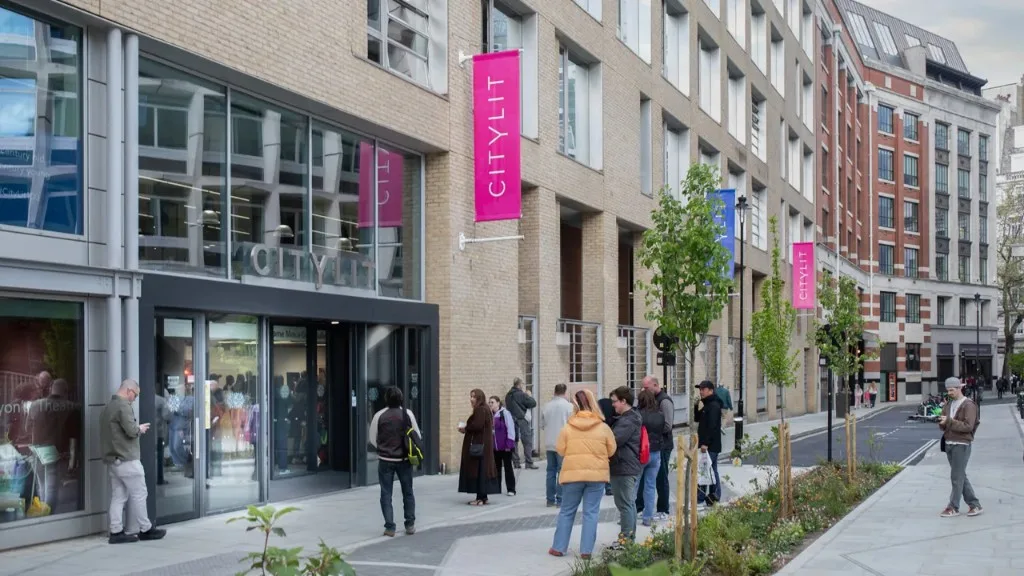
Keeley Street, Covent Garden