
Reading Literature: aspects of narrative and critical theory



An all-levels literature course examining three novels through feminist, post-colonial, queer, reception and narrative theory.
About this course
The course uses Jean Rhys’ Wide Sargasso Sea, James Baldwin’s Giovanni’s Room and Sylvia Plath’s The Bell Jar to introduce literary theory through close reading. Participants consider intertextuality, gender, sexuality, place, authorship, narrative voice, mental breakdown and cultural change, relating each novel to wider critical debates. Teaching combines tutor presentations, small-group work and full-class discussion, with theory used as a framework for developing comparative interpretations rather than studied separately from the texts.
What you'll learn
- Apply feminist, queer, post-colonial, reception and narrative approaches to literary texts
- Compare how novels respond to earlier works and changing cultural contexts
- Analyse narrative voice, authorship and the relationship between texts
- Interpret literature in relation to questions of gender, sexuality, place, mental health and political change
- Evaluate how twentieth- and twenty-first-century writing challenges inherited ideas about literature
Is this course right for you?
The course is open to learners who want to deepen their reading of fiction, including those without formal literature study. Participation involves bringing individual responses to the novels, contributing to small-group activities and joining full-class discussions.
- No formal literature study is required
- The teaching is interactive and discussion-based
- Learners are expected to contribute their own responses to the set novels
Before you go
- Participants need to buy or borrow copies of Jean Rhys’ Wide Sargasso Sea, James Baldwin’s Giovanni’s Room and Sylvia Plath’s The Bell Jar.
- Weekly reading is required before each class.
Class teacher
Linda Grant
Class teacher
Where this course runs
Upcoming classes
1 class
Selected date
Tue 4 May 2027
12:45 – 14:45 • 6 weeks
£189
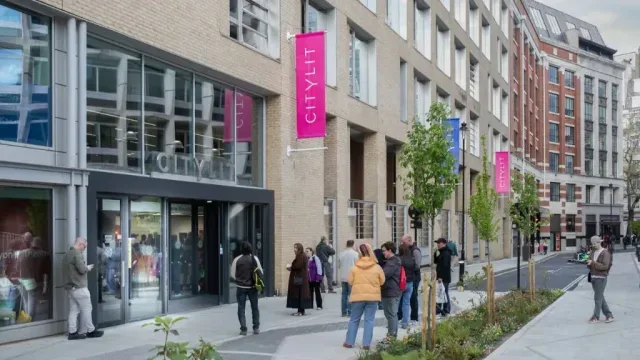
Keeley Street, Covent Garden