
Reading Literature: aspects of narrative theory



An all-levels literature course examining narrative theory and critical approaches through close reading of four twentieth- and twenty-first-century novels.
About this course
The course uses four novels as the basis for exploring feminist, reception, Marxist, modernist, postmodern and narrative theory. Discussions consider authorship, intertextuality, interiority, narration, storytelling, cultural change and the relationship between literature and political or economic ideas. Teaching combines tutor presentations, small-group work and full-class discussion. Participants examine the set texts closely, alongside extracts from Virginia Woolf’s essays and other theoretical writing, to compare different ways of interpreting fiction.
What you'll learn
- Apply a range of critical approaches, including feminist, Marxist, reception, modernist, postmodern and narrative theory, to literary texts.
- Analyse how authorship, narration, intertextuality and storytelling shape the reading of fiction.
- Compare novels from different periods and consider how literature responds to cultural and political change.
- Evaluate how twentieth- and twenty-first-century writing challenges inherited ideas about literary form and purpose.
Is this course right for you?
The course is intended for learners who want to deepen their reading of fiction, including those without formal literature study. Participation involves individual responses, weekly preparation and interactive discussion with other class members.
- No formal literature study is identified as necessary.
- Learners are expected to complete weekly reading before class.
- The teaching includes small-group activities and full-class discussion.
Before you go
- Participants need to buy or borrow copies of Mrs Dalloway, The Hours, Atonement and The Great Gatsby.
- Extracts from Woolf’s essays and other theoretical works will be provided through Google Classroom.
- Optional additional reading may be suggested.
Class teacher
Linda Grant
Class teacher
Where this course runs
Upcoming classes
1 class
Selected date
Tue 26 Jan 2027
12:45 – 14:45 • 9 weeks
£239
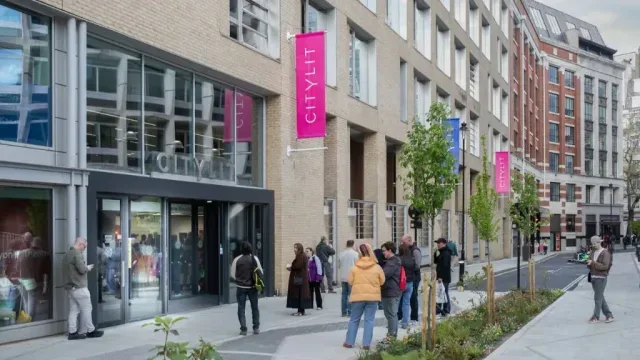
Keeley Street, Covent Garden