
Renaissance Tragicomedy



An Improver-level literature course comparing three Renaissance tragicomedies through close reading, tutor presentations and group discussion.
About this course
The course examines how Renaissance tragicomedy developed through Beaumont and Fletcher’s Philaster and Shakespeare’s Cymbeline and The Tempest. It places the plays alongside ideas from Guarini, Sidney and Cinthio, considering genre, structure, disguise, character types, metatheatre and the relationship between comic and tragic plotting. Discussion also addresses history, patriotism, gender and sexual identities, colonial debates, politics, magic and theatrical self-consciousness. Teaching combines tutor presentations with analysis of selected passages in small groups and as a whole class, supported by guided reading materials and independent study.
What you'll learn
- Analyse how tragicomic structures combine contrasting events, tones and genres.
- Examine the use of character types, disguise, dramatic techniques and metatheatre.
- Relate the plays to Renaissance history, society, politics and cultural debates.
- Compare how different writers represent individual and collective experience through drama.
Is this course right for you?
The course is intended for Improver-level learners, with some experience of studying dramatic literature useful for engaging with the plays and their critical issues. Participants should be prepared to read all three texts, undertake guided independent study and contribute to differing interpretations in small-group and whole-class discussions.
- Some prior study of dramatic literature would be useful.
- The course involves sustained reading of complete plays outside class.
- Learners are expected to listen to and discuss differing interpretations.
Before you go
- Learners should borrow or buy the specified editions of Philaster, Cymbeline and The Tempest.
- Key extracts and guided reading support materials are provided for study.
- Participants are expected to read the plays in their entirety.
Class teacher
Alexander Fairbairn-Dixon
Class teacher
Where this course runs
Upcoming classes
1 class
Selected date
Tue 19 Jan 2027
15:00 – 17:00 • 10 weeks
£279
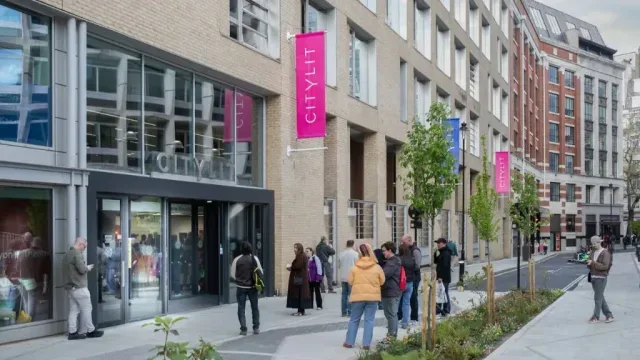
Keeley Street, Covent Garden