
Space Crones and Sci-Fi Worlds



A literature course exploring science fiction, world-building and social alternatives through critical reading, discussion and short lectures, suitable for all levels.
About this course
Participants read short stories and extracts by science fiction writers from the twentieth and twenty-first centuries, using them to examine how the genre questions assumptions about human nature and social life. Topics include science fiction tropes such as cyborgs and spaceships, the more-than-human, marginalised genders and sexualities, urban environments and ecological catastrophe. Teaching combines mini-lectures, close reading, critical essays, and whole-group and small-group discussion. Sessions focus on interpreting texts through literary and theoretical concepts, including Todorov’s theory of the fantastic, with opportunities to share individual responses.
What you'll learn
- Identify a range of significant science fiction writers and texts.
- Analyse literary texts using close reading and selected theoretical concepts.
- Explain how science fiction world-building can present alternative forms of psychic and social life.
- Interpret the function of science fiction through concepts such as Todorov’s theory of the fantastic.
- Relate science fiction’s literary forms to aspects of twenty-first-century culture.
Is this course right for you?
The course is intended for anyone interested in science fiction and contemporary fiction, including learners without previous literature study. Participation involves reading texts critically, preparing set reading and discussing responses in whole-group and small-group sessions.
- No previous literature study is identified as necessary.
- Regular set reading is part of the course.
- Sessions include sharing responses with other participants.
Before you go
- Digital versions of the stories are provided by the tutor.
- Preparation involves completing the set reading for each session and considering accompanying questions.
Class teacher
Katie Goss
Class teacher
Where this course runs
Upcoming classes
1 class
Selected date
Fri 22 Jan 2027
18:00 – 19:30 • 4 weeks
£89
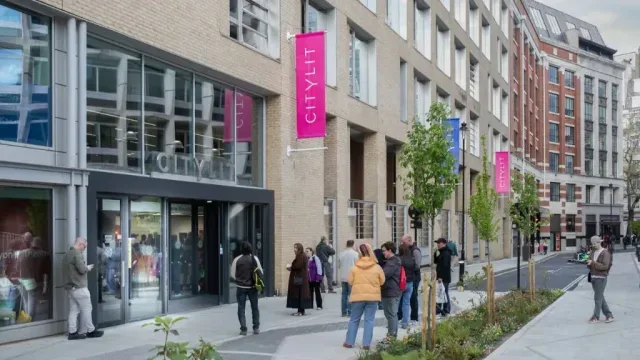
Keeley Street, Covent Garden