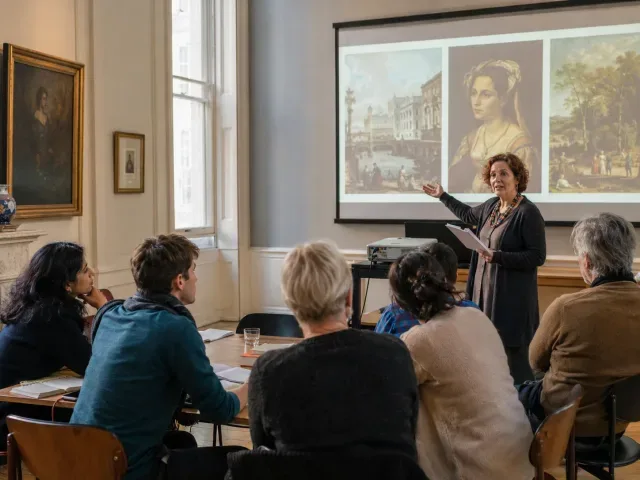
Study day: Light in art - representations and symbolism

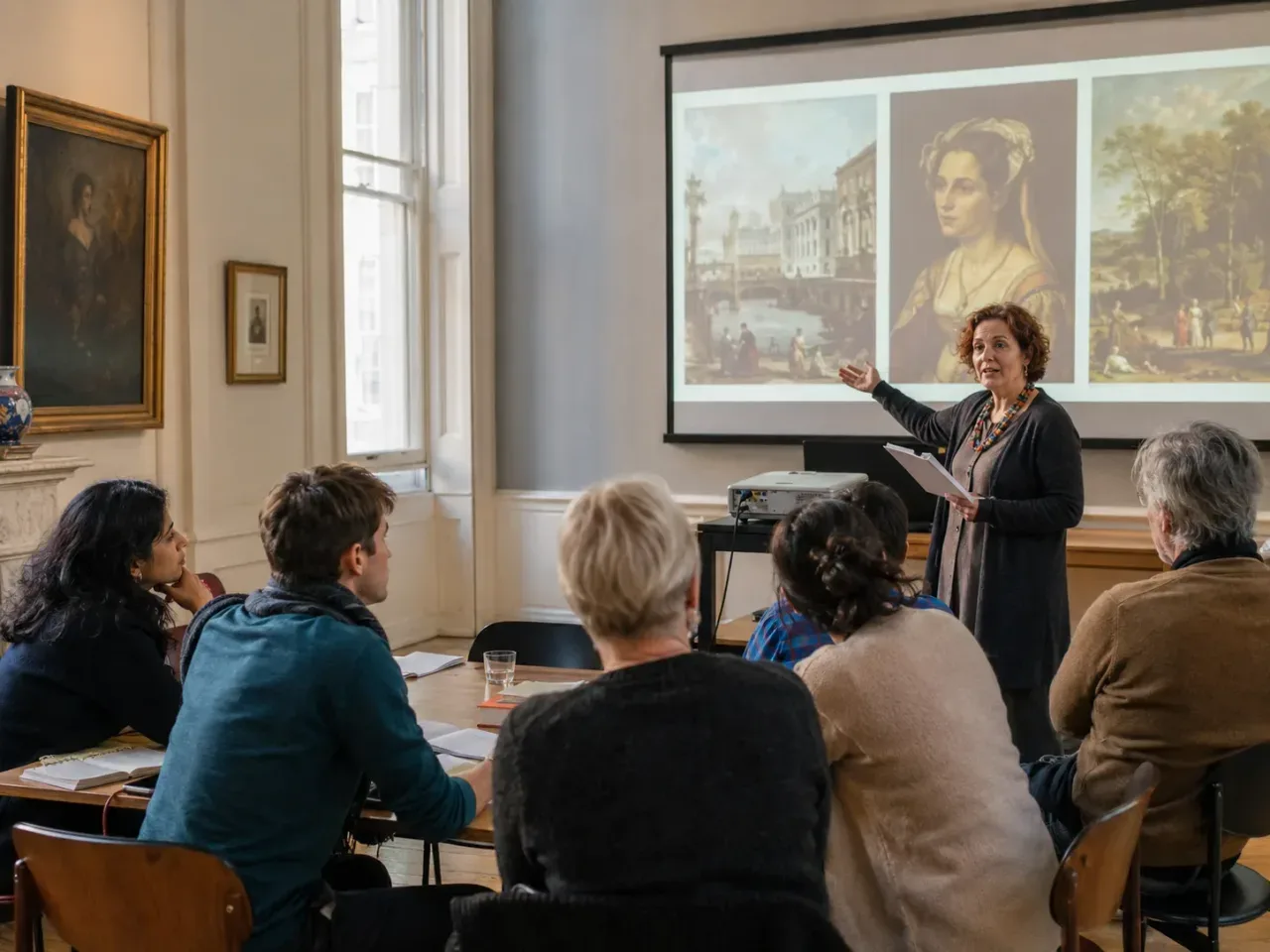

An all-levels art history study day examining how artists use light to shape form, atmosphere, symbolism and meaning.
About this course
The course explores representations of light from medieval and religious art to Impressionist, Neo-Impressionist and contemporary practices. Through slide presentations and group discussion, participants examine techniques including chiaroscuro, atmospheric perspective and the use of light to model form, create depth and define texture. The day also considers light as symbolism, atmosphere and an optical phenomenon, including gold backgrounds, halos, beams, changing natural light and urban scenes. Close visual analysis is used to consider how lighting directs attention, evokes place and time, creates mood and contributes to the meaning of paintings, photographs, sculptures and installations.
What you'll learn
- Identify different types of lighting and describe their visual effects
- Explain how light contributes to a sense of space and volume in paintings
- Analyse how light contributes to the meaning of a painting or photograph
- Interpret artworks in which light and its experience are the principal subject
Is this course right for you?
The course is suitable for learners at all levels. Participants should be able to follow simple written and verbal instructions, demonstrations, handouts and health and safety information. Teaching includes group discussion, so the course involves shared consideration of artworks as well as individual visual analysis.
- Suitable for learners with different levels of prior art history knowledge
- Requires participation in group discussion
- Relies on following written and verbal guidance
Before you go
- A notebook may be useful.
- Books from any reading list provided in class may be purchased separately.
- PowerPoint slides are not shared after the class.
- Attendees receive a note-sheet summary with further reading; this is not emailed to people who do not attend.
Class teacher
Caroline Levisse
Class teacher
Where this course runs
Upcoming classes
1 class
Selected date
Sun 28 Feb 2027
10:30 – 16:30 • 1 day
£79
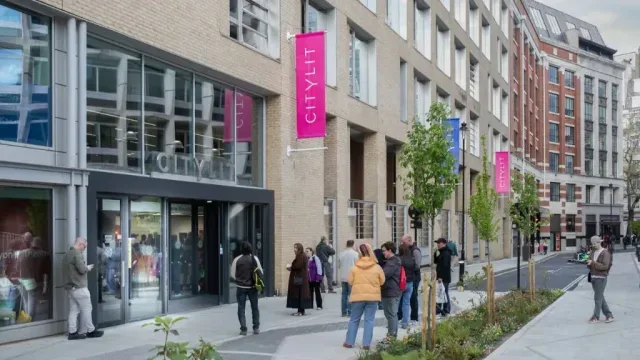
Keeley Street, Covent Garden