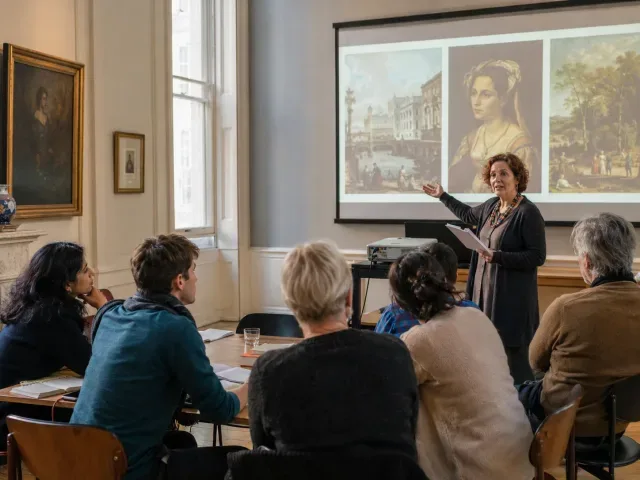
Study day: master drawings from Michelangelo to Cezanne, a hidden art history

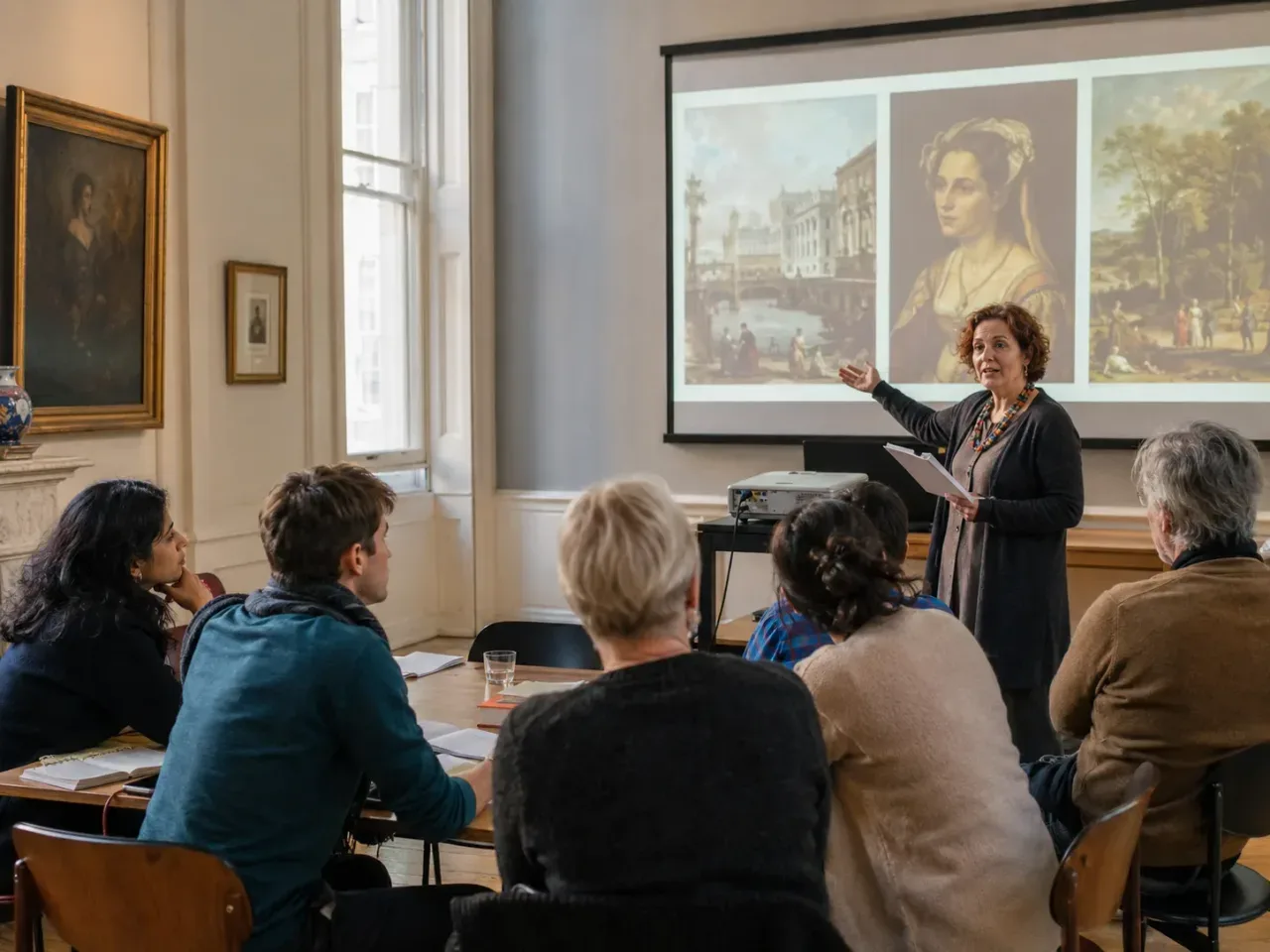


An all-levels art history study day examining drawing’s roles, techniques and changing status through lectures, slide images and group discussion.
About this course
The course examines drawing in Europe from the Renaissance to the nineteenth century, considering its place in artistic training and its changing relationship with finished works. It explores drawings as studies, records, preparatory works and autonomous artworks, alongside the characteristics and expressive possibilities of techniques including charcoal, chalk, pen and ink. Examples involving artists such as Dürer, Goya and Gauguin are used to consider how drawings reveal artistic practice and why they became increasingly valued by collectors. Teaching is through lectures with slide images, supported by group discussion.
What you'll learn
- Describe the different roles drawing can play in artistic practice
- Explain how drawings relate to finished works of art
- Identify different drawing techniques and their characteristics
- Discuss the growing importance of drawings to collectors
- Recognise different periods of art
Is this course right for you?
The course is suitable for learners at all levels. Participants should be able to follow simple written and verbal instructions, demonstrations and hand-outs. The teaching combines lectures, slide images and group discussion, and learners should be willing to read assigned texts that contribute to some discussions.
- Includes group discussion alongside lecture-based teaching
- Assigned texts contribute to some aspects of the course
Before you go
- A notebook may be useful for taking notes.
- Learners may wish to buy books from any reading list provided for future study.
Class teacher
Bryony Bartlett-Rawlings
Class teacher
Where this course runs
Upcoming classes
1 class
Selected date
Sun 15 Nov 2026
10:30 – 16:30 • 1 day
£79
Keeley Street, Covent Garden