
Study day: Powerful images, the art and artists of WW2

An all-levels study day examining how artists represented fascism, exile, imprisonment and civilian life during the Second World War.
About this course
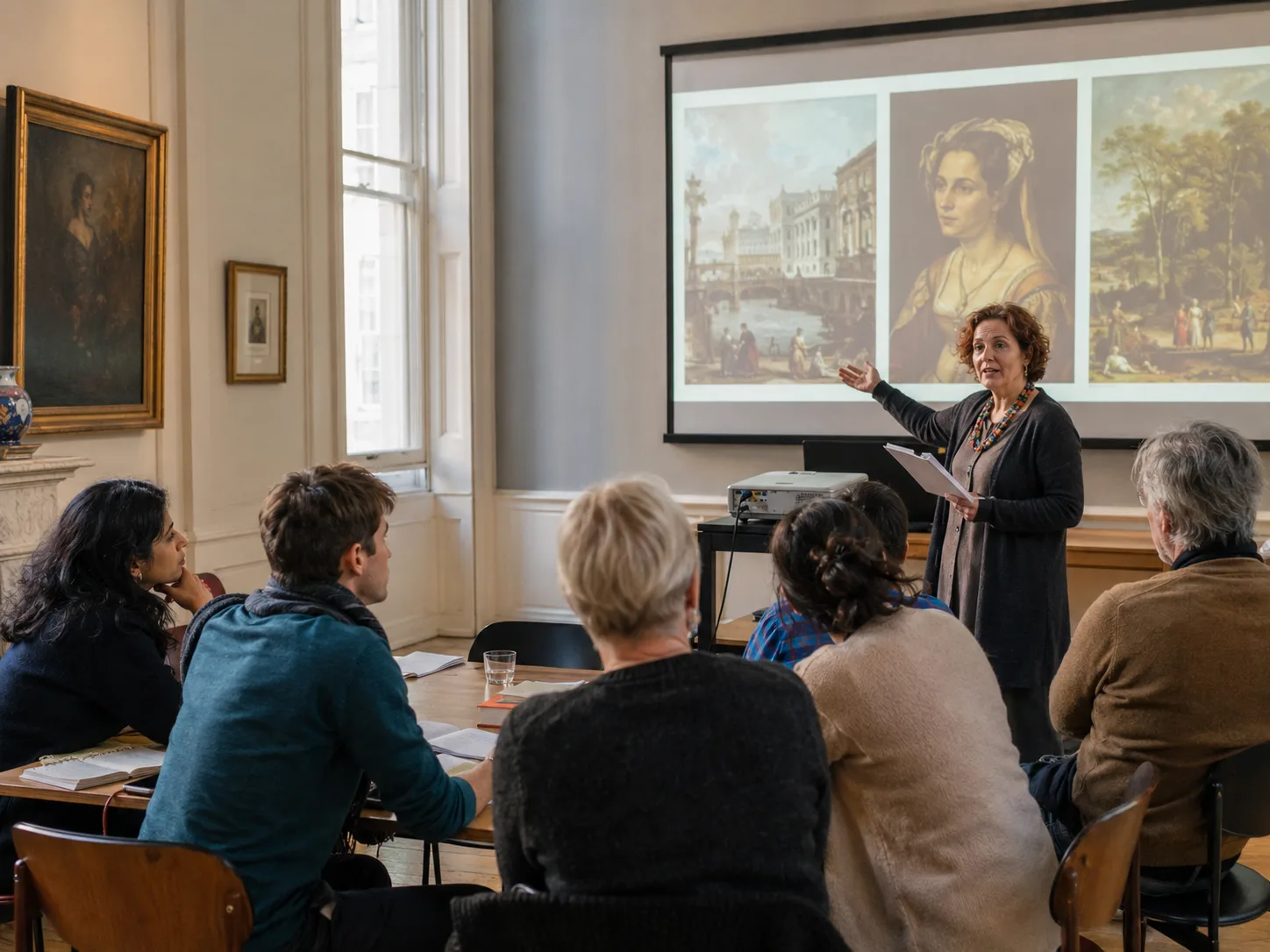
The course examines painting, drawing, photography and graphic art made in response to the Second World War. It considers artistic reactions to fascism and totalitarianism, the experiences of artists in exile or internment, and images produced in concentration camps as acts of resistance and survival. A substantial section focuses on British war art, including officially commissioned work depicting bombed cities, military operations and factory life, alongside independent responses to the conflict. Teaching combines lectures, slide presentations, activities and group discussion, with examples from Germany, France, Britain and the United States.
What you'll learn
- Analyse artworks connected with the rise of fascism and totalitarianism in late-1930s Europe.
- Explain the role of the War Artists’ Advisory Committee and identify some of its artists and works.
- Identify an artist who created work while held in a camp.
- Discuss how art responded to war, exile and imprisonment.
Is this course right for you?
The course is suitable for learners at all levels. Participants should be able to follow simple written and verbal instructions, demonstrations, handouts and health and safety information. Group discussion is part of the learning format, so participation includes contributing to shared discussion.
- No particular art-history level is specified.
- The teaching includes group discussion as well as lectures and activities.
Before you go
- A notebook may be useful for taking notes.
- Handouts are provided, but PowerPoint slides are not shared.
- Books from any reading list may be purchased separately.
Class teacher
Caroline Levisse
Class teacher
Where this course runs
Upcoming classes
1 class
Selected date
Sun 18 Apr 2027
10:30 – 16:30 • 1 day
£79
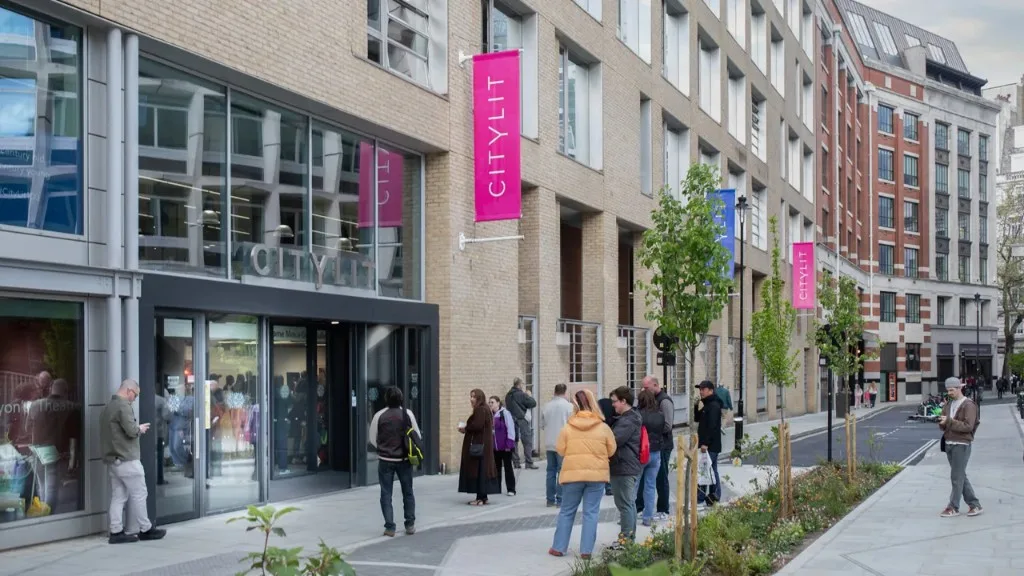
Keeley Street, Covent Garden