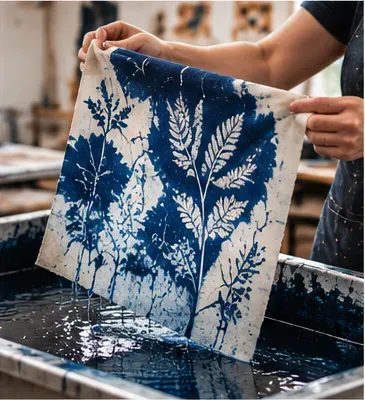
Textiles: botanical dye techniques

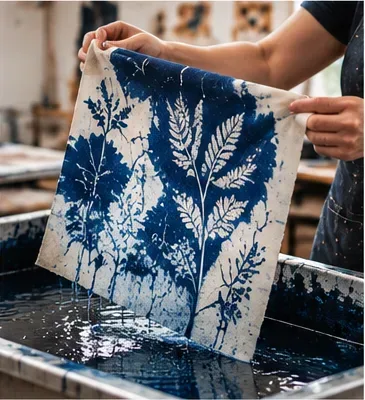

A beginner-level course exploring botanical dyeing on fabric and yarn through demonstrations, practical experiments and natural colour techniques.
About this course
The course examines how different cellulose and protein fibres respond to botanical dyes, including extracts, food waste, flowers and garden materials. Participants explore fibre preparation, scouring, mordanting, immersion dyeing, resist methods, bundle dyeing and flower printing. Teaching combines presentations, demonstrations, samples, individual guidance, group discussion and feedback. Further techniques include colour modification, overdyeing, exhaust baths, lake pigments and approaches to managing leftover dye baths. Participants record recipes, swatches and experiments in a botanical dyeing journal.
What you'll learn
- Prepare cellulose and protein fibres for botanical dyeing using appropriate scouring and mordanting methods.
- Create dye baths from plant matter and commercial dye extracts.
- Apply immersion, resist, bundle dyeing and flower printing techniques to fabric or yarn.
- Use colour modifiers and overdyeing to produce different colours from a dye bath.
- Record dye recipes, swatches and experiments in a botanical dyeing journal.
Is this course right for you?
The course is intended for beginners as well as intermediate learners who want to develop botanical dyeing and design skills. Participation involves following demonstrations and written instructions, practical work, group discussions, individual feedback and some optional activity outside class.
- Learners should be able to follow simple written and verbal instructions.
- Basic computer use is needed to access Google Classroom.
- Simple measurements and calculations are part of the course.
- Optional activities may involve gathering food waste or foraging plants between sessions.
Before you go
- Basic materials and protective clothing are provided.
- Learners may bring natural-fibre fabric scraps such as silk, cotton, wool or linen.
- Learners may also bring their own rubber gloves or apron.
- Old clothes should be worn.
Class teacher
Renata Minoldo
Class teacher
Where this course runs
Upcoming classes
1 class
Selected date
Sat 6 Feb 2027
10:30 – 16:30 • 4 weeks
£329
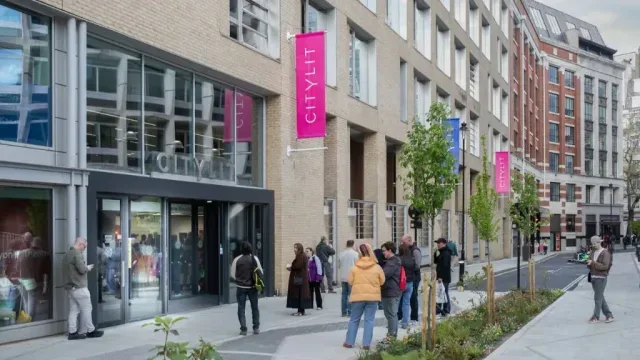
Keeley Street, Covent Garden