Textiles: botanical dyeing beyond the basics


An intermediate botanical dyeing course using controlled experiments to investigate mordants, fibres, plant materials, overdyeing and sustainable colour processes.
About this course
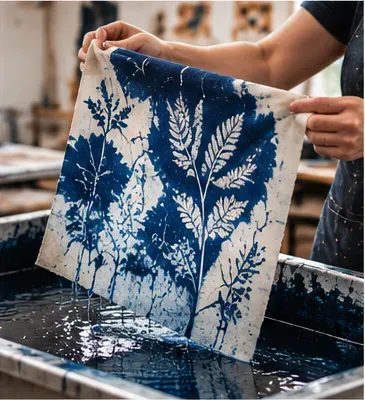
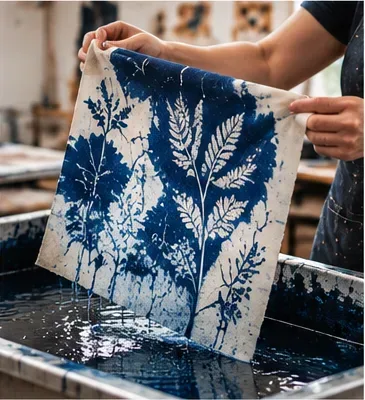
This progression course examines how fibres, mordants and plant materials interact, with learners testing variables under controlled conditions and comparing colour responses. Topics include ecological mordant systems, binders for cellulose, tannin studies, layered overdyeing, pigment extraction from exhausted dye baths and botanical textile paints made from dye waste. Teaching combines demonstrations, collaborative testing, structured experimentation and discussion. Learners document recipes, observations and results while developing a focused colour study around a selected dye plant and refining their botanical dye sampler.
What you'll learn
- Apply alternative mordant systems and binders with greater environmental awareness
- Predict fibre-specific colour responses across wool, silk, flax and other plant fibres
- Construct layered colour palettes through overdyeing and the use of modifiers
- Conduct controlled dye experiments and record results systematically
- Use circular methods to recover pigment and reduce dye waste
- Create a botanical dye reference archive of tested samples and recipes
Is this course right for you?
The course is intended for learners moving beyond introductory botanical dyeing towards intermediate and advanced practice. Previous study or experience with scouring, mordanting and natural dye processes is expected. Sessions involve collaborative testing as well as individual documentation, with optional plant research between sessions.
- Designed as a progression from introductory botanical dyeing courses
- Includes collaborative experiments, comparison and discussion
- Optional independent plant research can be undertaken between sessions
Before you go
- Bring a notebook or sketchbook for recording recipes and observations.
- Small natural fibre samples under 150g each may be brought for testing.
- Independent plant research between sessions is optional.
Class teacher
Renata Minoldo
Class teacher
Where this course runs
Upcoming classes
1 class
Selected date
Sat 22 May 2027
10:30 – 16:30 • 3 weeks
£249
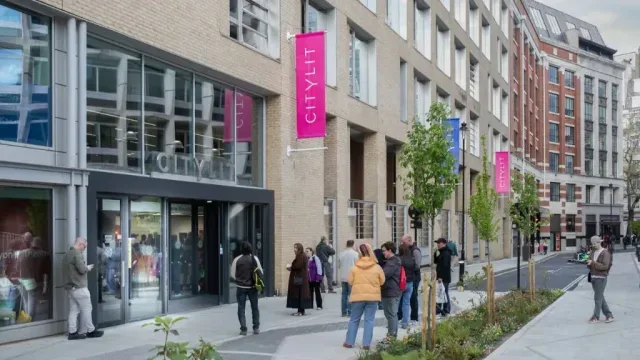
Keeley Street, Covent Garden